California Enacts Measures to Counter Federal Election Interference

Governor Newsom signed a legislative package designed to strengthen state election security and limit federal oversight, citing recent legal conflicts with the administration.
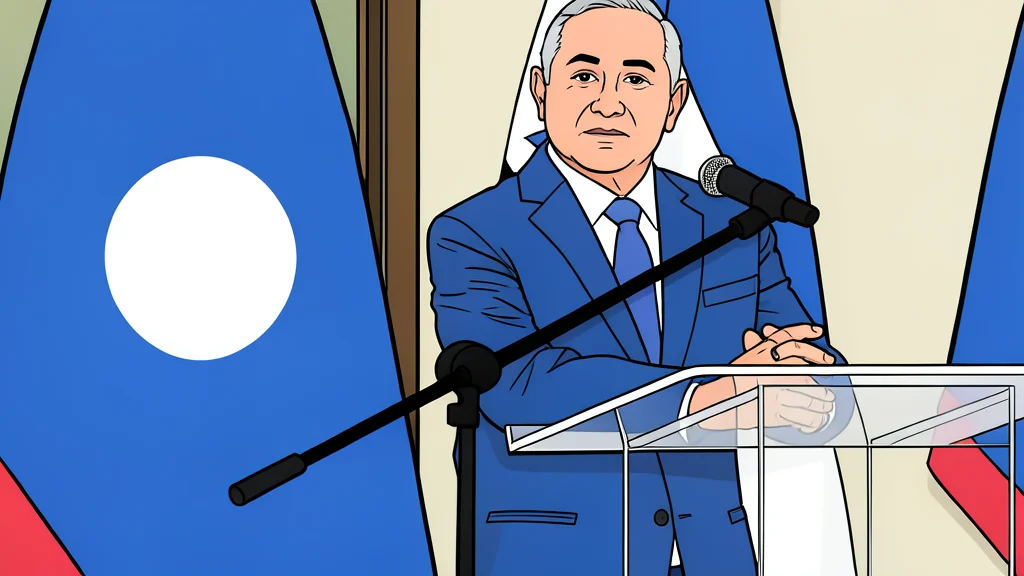
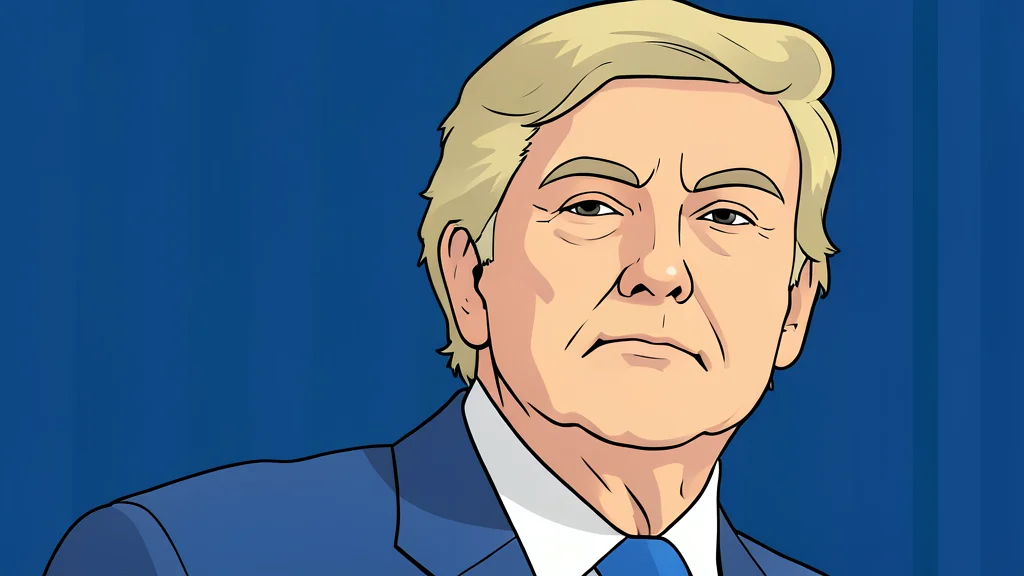
California Governor Gavin Newsom has signed a comprehensive package of bills intended to fortify the state's election infrastructure. According to his office, the legislation aims to shield state electoral processes from federal interference, a move that follows recent tensions between state authorities and the Trump administration over voting procedures.
The new measures address several contentious issues in current electoral politics, including the expansion of mail-in voting hours and stricter penalties for the seizure of election records. This legislative action comes after the US Supreme Court blocked federal attempts to mandate the submission of voter lists for mail ballots, a requirement that state officials argued was an unwarranted burden.
Safeguarding Mail-In Voting Processes
A central component of the signed package focuses on vote-by-mail systems. Newsom framed these protections as a direct response to federal efforts to restrict mail voting, which the administration has characterized as prone to fraud despite a lack of widespread evidence. The governor stated that the state would actively resist attempts to disenfranchise voters, emphasizing that the integrity of the November election is a paramount concern for California residents.
Criminal Penalties for Ballot Seizure
Another significant provision makes the seizure of ballots or election records a felony offense. This change appears to be a direct reaction to earlier incidents, such as the temporary possession of over 650,000 ballots by a county sheriff during a special election. By elevating the legal consequences for such actions, the state aims to deter unauthorized access to voting materials and ensure the continuity of electoral records.
Regulating Political Content Disclosure
The legislation also introduces new parameters for political campaigns interacting with social media influencers. A specific bill imposes penalties on individuals who fail to disclose paid political content, a measure that addresses recent controversies involving undisclosed payments to content creators. This follows criticism in recent gubernatorial races where candidates were accused of buying influence without transparent reporting, prompting a call for greater accountability in digital political advertising.
State Resolve Amid Federal Tensions
This legislative move occurs against a backdrop of repeated assertions by federal officials that California's primary counting processes were flawed. State Secretary of State Shirley Weber emphasized the state's determination to protect democratic norms, stating that the resolve to safeguard the election is unwavering. As the November election approaches, the focus now shifts to how these state-level protections will interact with ongoing federal legal challenges and monitoring efforts.