Canada Faces Political Dilemma in Trade Standoff with US
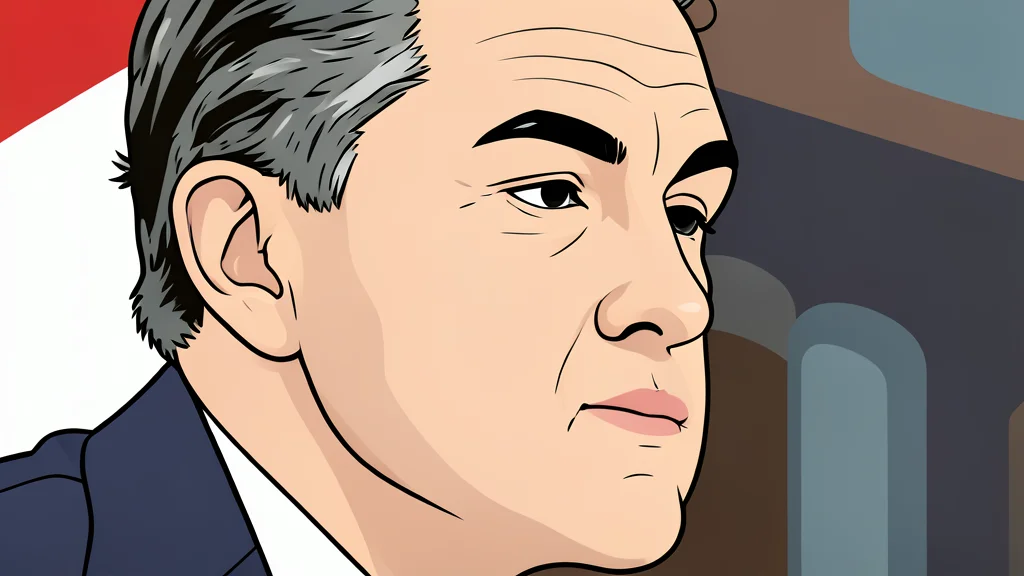
Canadian public sentiment supports strong retaliation against U.S. tariffs, leaving opposition parties caught between patriotic duty and partisan conflict.
Key points
- Canadian public opinion strongly supports Prime Minister Carney's aggressive trade response to the U.S.
- Conservative leader Pierre Poilievre faces a dilemma between attacking the government and appearing unpatriotic.
- The situation reflects the historical principle that domestic politics yield to national unity in foreign affairs.
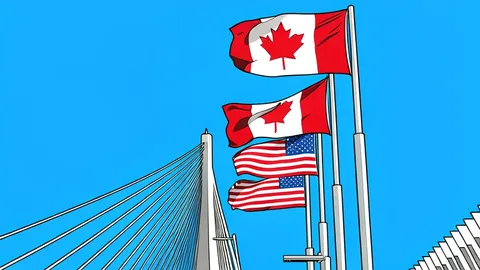
The escalating trade tensions between Canada and the United States have created a distinct political fracture within Canadian governance. According to recent analysis published by hilltimes.com, the prevailing public mood in Canada rejects any form of capitulation to President Donald Trump, regardless of the potential economic repercussions. This widespread resistance has solidified support for Prime Minister Mark Carney’s aggressive countermeasures, setting a high bar for political discourse.
However, this unified national stance has placed the opposition parties in a precarious position. The Conservative leadership, specifically under Pierre Poilievre, now navigates a complex dilemma where traditional partisan attacks on the governing Liberal government risk appearing unpatriotic. Conversely, excessive alignment with the government’s hardline trade policies may alienate the Conservative base, which is skeptical of appeasing the Liberal administration. This dynamic challenges the traditional separation of domestic political rivalry and foreign policy unity.
Historical Precedents of National Unity
The current situation echoes a principle articulated by American Senator Arthur Vandenberg in 1947, who noted that domestic political divisions typically cease at the water's edge. Historically, this phrase underscored the expectation that nations present a unified front in matters of international relations and security. In the current context, the Canadian public is applying this logic to economic warfare, viewing the trade conflict not as a partisan issue but as a matter of national sovereignty.
Opposition Leaders Face Strategic Dilemma
Pierre Poilievre, leader of the Conservative Party, finds himself constrained by these shifting public expectations. If he fails to forcefully criticize Prime Minister Carney, he risks losing the support of his party's core voters who view the Liberal government with suspicion. Yet, if he aligns too closely with the government's retaliatory trade measures, he risks being perceived as lacking in national pride. This dual pressure creates a narrow path for opposition rhetoric, requiring a delicate balance between partisan criticism and national solidarity.
The political calculus suggests that any deviation from a strong, unified front may be penalized by the electorate. As the trade war continues, the opposition must determine how to maintain their critical role in the political system without undermining the collective national response. This tension highlights the difficulty of maintaining standard opposition tactics when the issue at hand is perceived as an existential threat to national interests.
Future Trajectories of Trade Policy
Looking ahead, the resolution of this trade dispute will likely depend on the extent to which political leaders can sustain this unified front. The forward question remains how long the public will prioritize national solidarity over partisan gains. If the economic costs of the trade war mount, the political landscape may shift, potentially forcing a reevaluation of strategies by both the government and the opposition. Observers will watch closely for any signs of internal division that could weaken Canada's negotiating position.