Canada Imposes Matching Tariffs on US Goods After Trade Talks Collapse
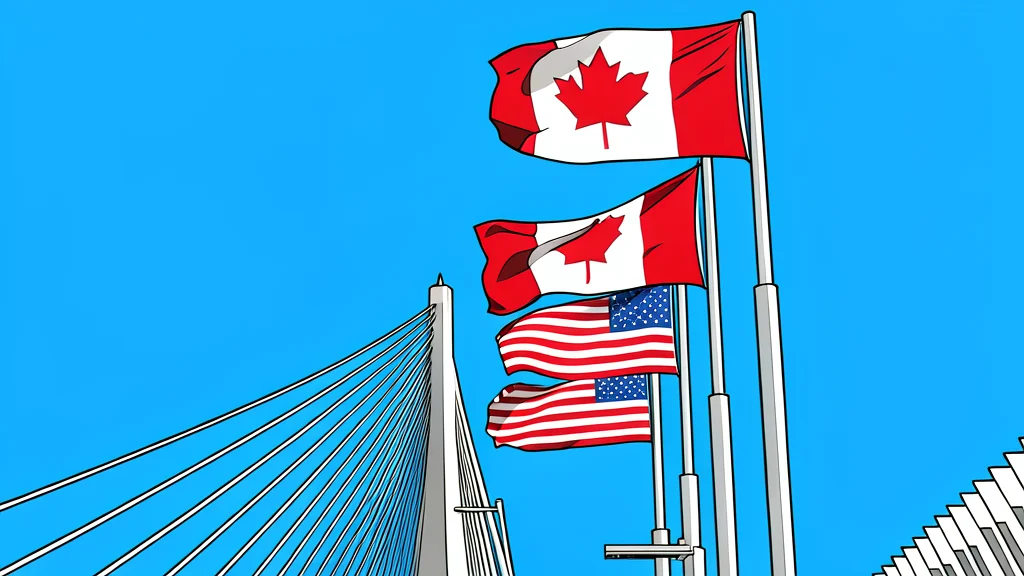
Ottawa retaliated with dollar-for-dollar duties after Washington raised levies on $20 billion in Canadian exports.
Key points
- Canada imposed matching tariffs on US goods after Washington raised levies on $20 billion in Canadian exports.
- US officials dismissed Canada’s strategy, citing the 13-to-1 economic size difference between the two nations.
- Ottawa cited US demands on language laws and trade autonomy as sovereignty violations that forced a hardline response.
Canada has entered a direct trade conflict with the United States, implementing retaliatory tariffs in response to aggressive US levies. Prime Minister Mark Carney announced matching duties on American goods after negotiations broke down, marking a significant escalation in the economic dispute between the two neighbors.
The confrontation began when the US imposed an additional 50 percent tariff on approximately $20 billion worth of Canadian products, including electrical equipment and plastics. Ottawa responded by imposing its own tariffs on US steel, dairy, and electronics, a move that few of America’s allies had previously attempted.
Escalating pressure on bilateral trade
Washington has continued to raise the stakes, with President Donald Trump threatening to double tariffs on Canadian automobiles to 50 percent. He also issued a demand that aircraft manufacturer Bombardier relocate its production lines to the US or face a sales ban, further straining the relationship.
According to ThinkChina, the US administration views Canada’s resistance as an overreach, with officials noting the vast difference in economic scale. Treasury Secretary Scott Bessent stated that tit-for-tat strategies are difficult when one partner is 13 times larger than the other, reflecting a dismissive tone toward Ottawa’s stance.
Sovereignty concerns drive Ottawa’s stance
Canadian officials argue that the US demands went beyond standard trade issues, touching on national sovereignty. During the final stages of negotiations, Washington reportedly sought to restrict Canada’s ability to sign trade agreements with other nations and to alter laws protecting the French language.
These conditions led Carney to frame the dispute in defensive terms, asserting that Canada was under attack. By refusing to capitulate to what Ottawa sees as infringements on its autonomy, the Canadian government has chosen a path of resistance despite the significant economic risks involved.
Economic asymmetry shapes the outcome
The economic disparity between the two nations presents a severe challenge for Canada, which relies on the US for 70 percent of its total exports. Analysts suggest that the Canadian economy could face a substantial hit, with tens of thousands of jobs potentially at risk due to the prolonged trade war.
Despite the size gap, both sides appear committed to their positions. The next phase will likely involve monitoring whether the retaliatory tariffs lead to a diplomatic breakthrough or a deeper fragmentation of the North American economic bloc.