Swedish Election Sets Stage for Potential Far-Right Government Entry

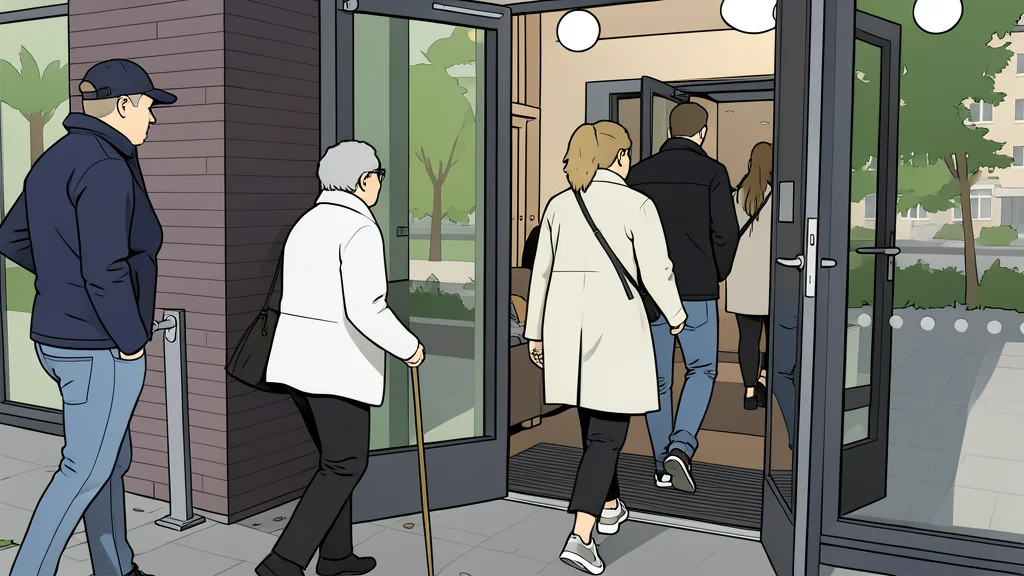
Swedes cast their votes in a pivotal election that may result in the first-ever inclusion of a far-right party in a governing coalition, marking a significant shift in the nation's political landscape.
Swedish voters head to the polls on September 13 in a contest that could fundamentally alter the country's political trajectory. The election presents a binary choice between a continuation of the current conservative-led administration, which has pledged to bring the far-right Sweden Democrats into government, or a return to a centre-left coalition that has traditionally defined Sweden’s liberal identity. According to recent opinion polls cited by GN geopolitics/politics, the race remains tightly contested, with the centre-left opposition holding a narrow lead over the ruling right-wing bloc. However, Prime Minister Ulf Kristersson has managed to close the gap in the final weeks of campaigning, challenging the Social Democrats' path to power.
The stakes of this vote extend beyond domestic policy, touching on broader European trends regarding immigration and national security. Sweden, which joined NATO following Russia’s full-scale invasion of Ukraine, is navigating a complex balance between its historical commitment to social welfare and growing public concerns over gang violence and integration. The outcome will be closely watched by political movements across Europe, particularly in Germany where anti-immigrant parties have recently gained traction. If the Sweden Democrats secure a role in the cabinet, it would signal a notable departure from the political norms that have characterized the Nordic region for decades.
Competing Narratives on Security and Society
The two leading blocs have framed the election around competing visions of Swedish society. Prime Minister Kristersson argues that his government’s policies have successfully reduced immigration and curbed gang violence, positioning a victory as a public endorsement of that approach. He has explicitly pledged to integrate the Sweden Democrats into a four-party coalition if the right-wing bloc wins, aiming to present a unified front on issues of law and order. Conversely, opposition leader Magdalena Andersson criticizes the current government’s agenda, arguing that it has led to a poorer society with stagnant growth and shrinking household purchasing power. She emphasizes the importance of social cohesion and shared achievements, warning that the current path undermines civil liberties.
Critics of the right-wing approach contend that the focus on stricter immigration controls and cultural conformity is eroding the inclusive values that have long been central to Swedish identity. They argue that while the government claims to have created a quieter society, it has also created a more divided one. The debate highlights a deepening split in public opinion over how to manage the country’s security challenges without compromising its social democratic foundations. Both sides agree on the need for military rearmament and support for Ukraine, but their divergent approaches to domestic social policy remain the primary point of contention for voters.
Coalition Dynamics and Parliamentary Thresholds
The final outcome may hinge on the performance of smaller parties, particularly the Liberals, who must surpass the four percent threshold to win seats in parliament. Their success would bolster the right-wing bloc, which includes the Moderates, Christian Democrats, and Sweden Democrats. The Sweden Democrats, founded by far-right extremists in the 1980s, have gradually built credibility by supporting the current government in parliament since 2022, securing policy concessions on immigration and policing in exchange for their backing. This strategic alliance has allowed them to normalize their presence in the political mainstream, despite their controversial origins.
In contrast, the path for the centre-left opposition is fraught with internal divisions. While the Social Democrats, Greens, Left Party, and Centre Party broadly agree on the need for higher welfare spending, they remain at odds on key issues such as a tax on billionaires, the construction of new nuclear reactors, and the extent of immigration restrictions. The Centre Party has refused to support any government that includes the Left Party, further complicating Andersson’s efforts to form a stable cabinet. These internal fractures may limit the opposition’s ability to offer a coherent alternative to the right-wing coalition, potentially leaving voters with a limited choice between two distinct political visions.
European Implications of Swedish Political Shift
An electoral success for the Sweden Democrats would be viewed positively by rising far-right parties across Europe. The recent significant win by the anti-immigrant Alternative for Germany in a state election underscores the growing momentum of such movements in the region. For European policymakers, the Swedish election serves as a critical test of how established democracies respond to populist pressures and debates over national identity. The outcome will likely influence strategies for other parties facing similar challenges, potentially accelerating a broader shift toward harder lines on immigration and security in the EU and NATO.
As polling stations close at 8 p.m. local time, exit polls are expected to provide early indications of the vote share. The coming days will be crucial for coalition-building negotiations, where the ability of parties to compromise on divisive issues will determine who forms the next government. The forward question remains whether Sweden will embrace a new political reality defined by far-right influence, or if traditional liberal and social democratic forces will reassert their dominance. The answer will shape not only Sweden’s future but also the broader geopolitical landscape of Europe in an era of heightened uncertainty.