Colombia's Vice President to Deliver UN Address in Historic Shift
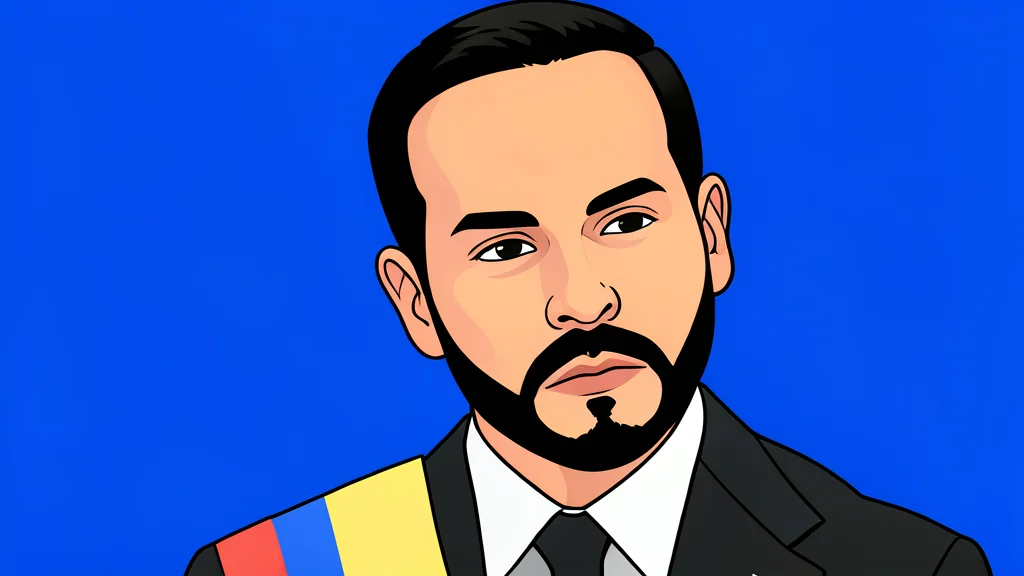
Abelardo de la Espriella stays in Colombia while Vice President José Manuel Restrepo presents a new national security strategy at the UN General Assembly.
Key points
- Vice President José Manuel Restrepo will deliver Colombia's UN General Assembly address, a first in recent history.
- The speech will focus on a new national security strategy and economic investment priorities.
- Colombia's delegation is smaller than usual, reflecting a shift in diplomatic style and frugality.
Colombian President Abelardo de la Espriella has decided not to attend the United Nations General Assembly, delegating the country's formal address to Vice President José Manuel Restrepo. According to MercoPress, this marks a rare departure from recent diplomatic tradition, with Restrepo scheduled to speak on Thursday afternoon, September 24. The decision aligns with a campaign promise made by the president, who stated in a video release that he intends to remain in Colombia to focus on domestic governance.
The address is expected to center on security, specifically the presentation of the new government's national security strategy. Restrepo will also highlight investment opportunities and strategic alliances as key priorities for the new administration. Notably, the vice president’s speech is slotted immediately before that of Israeli Prime Minister Benjamin Netanyahu, underscoring the diplomatic positioning of the current Colombian government.
Small Delegation Signals New Priorities
Restrepo arrived in New York on Sunday leading a delegation significantly smaller than those sent by previous administrations. The group includes Foreign Minister Ómar Bula, UN Ambassador Mauricio Gaona, and Ambassador to Washington María Consuelo Araújo. In a display of frugality, Restrepo traveled in economy class, a detail he shared publicly. His initial meetings included discussions with the World Economic Forum, the Inter-American Development Bank, and Dominican President Luis Abinader, focusing on attracting investment and modernizing state institutions.
Shifting Stance on International Bodies
The new administration has shown a softened position toward international organizations compared to its campaign rhetoric. During the election, De la Espriella criticized the UN as a political entity and threatened withdrawal, but Foreign Minister Bula confirmed that Colombia will remain on the Security Council. This continuity reflects a pragmatic approach to Colombia's 2025-2027 term, balancing domestic security goals with international obligations.
Diplomatic Realignment and Regional Tensions
Colombia's foreign policy has increasingly aligned with the United States and Israel in recent weeks. The country abstained on a vote allowing Palestine to address the assembly remotely, a move consistent with Washington's position. However, tensions persist, as the US recently kept Colombia on its list of countries failing to combat drug trafficking, despite acknowledging the new president's efforts. Former President Gustavo Petro, whose UN address last year led to his visa revocation and sanctions, noted the irony of the current diplomatic landscape.