Cuba Endures Latest National Blackout Amid Fuel Shortages
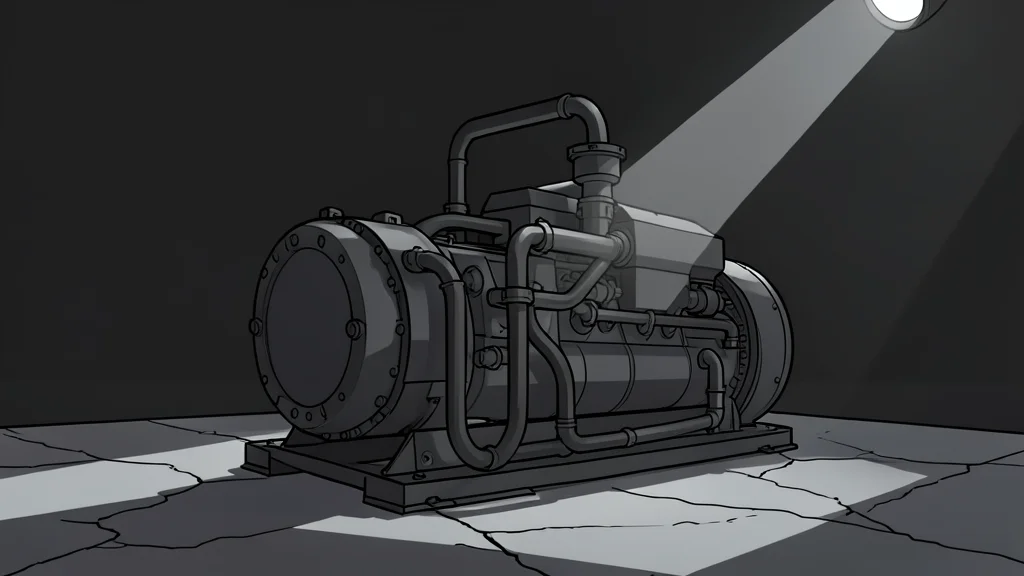
A severe power collapse has left millions across Cuba without electricity, exacerbating a deepening humanitarian and economic crisis.
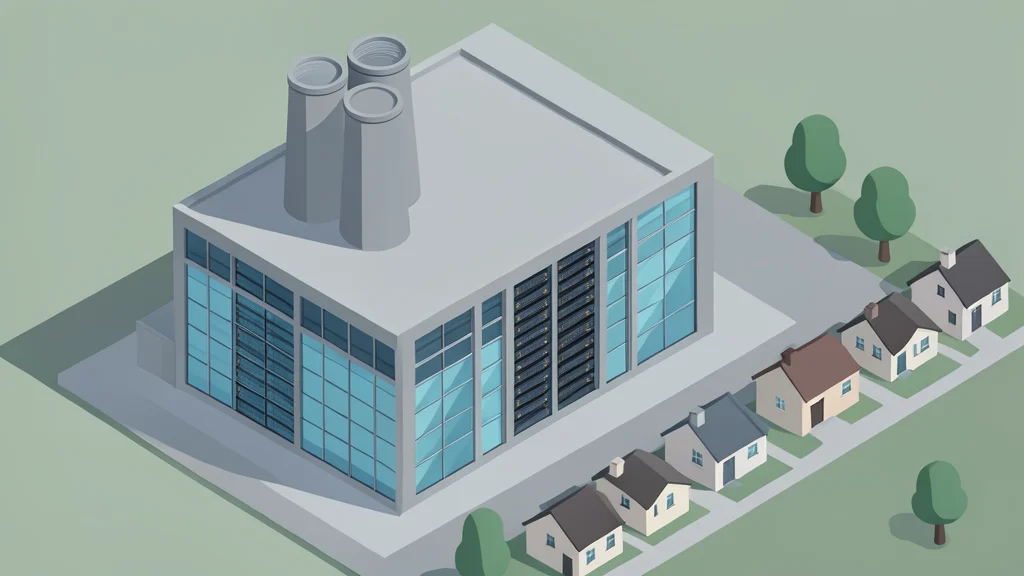
Cuba’s electrical grid suffered a total collapse on Friday, leaving millions of residents without power as the nation confronts a severe fuel shortage. According to the Energy Ministry, a complete disconnection of the system occurred, with only a small fraction of Havana retaining electricity. This event marks the seventh nationwide blackout this year and the twelfth since late 2024, highlighting the fragility of the island's infrastructure.
State utility UNE attributed the failure to transmission line issues and unstable weather, though observers note that aging facilities and a lack of essential maintenance have played a critical role. The prolonged outages, which have exceeded thirty hours in the capital and sixty hours in some provinces, have cascaded into broader disruptions of water supplies, telecommunications, and transportation networks.
Humanitarian Impact Deepens
Residents report a compounding loss of basic services, describing daily life as increasingly untenable. As noted by Deutsche Welle, citizens have expressed frustration over the simultaneous absence of water, cooking gas, and electricity. One resident described the situation as a series of escalating crises, stating that the constant interruptions have led to a profound sense of despair among the population.
The energy crisis is inextricably linked to a broader economic downturn. An independent study released this week estimates that sixty-six percent of the population now lives in poverty, a significant increase from mid-2025. Rising food prices and the inability to maintain refrigeration due to power outages have further strained household budgets, according to the report.
Sanctions and Infrastructure Strain
Cuba’s power plants depend heavily on imported fuel, which has become scarce following restrictions imposed by the United States in January. The administration of President Donald Trump has tightened sanctions and enacted an oil embargo, limiting the import of fuel and replacement parts. Havana blames these measures for worsening shortages, while Washington argues that the outages reflect the failures of the country's state-run economic model.
Political Tensions and Future Outlook
The situation has intensified diplomatic friction, with the US president making veiled threats regarding the island’s governance. As the grid remains unstable, the focus shifts to whether international aid can bridge the fuel gap or if the structural decline in infrastructure will lead to further systemic failures. Observers are watching for potential diplomatic engagements that might address the energy embargo, while locals continue to cope with the daily reality of service collapse.