Alabama Data Center Buildout Meets Political and Legislative Resistance
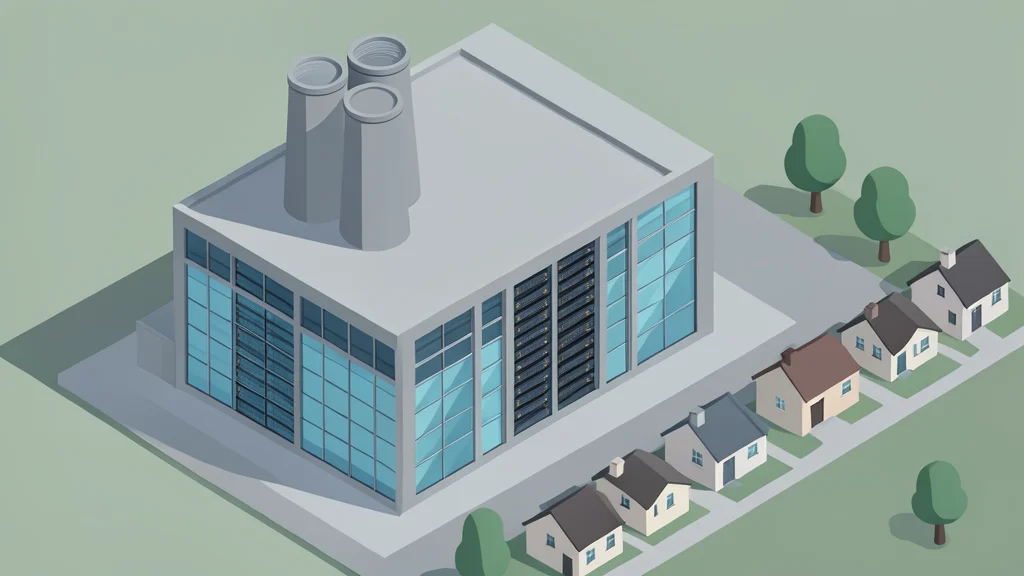
Tensions over the rapid expansion of industrial data centers in Alabama are escalating, with local municipalities pausing permits and state legislators debating who should bear the cost of infrastructure upgrades.
The rapid expansion of large-scale data centers in Alabama has triggered a growing backlash from local municipalities and state legislators. According to reporting by GN geopolitics/migration (en-US), at least 17 cities in the state have paused approvals for new facilities, citing a lack of regulatory guardrails. This pause reflects a broader concern among residents that the surge in industrial computing infrastructure is outpacing local capacity to manage its environmental and economic impacts.
Simultaneously, the political landscape is fracturing over who should pay for the necessary grid upgrades. While the U.S. House of Representatives recently passed a measure to ensure that large data centers cover their own power generation costs, opposition in the Senate has stalled further progress. This legislative standoff highlights a deepening divide between proponents of tech infrastructure investment and advocates for protecting ratepayers from sudden utility bill increases.
Local Municipalities Impose Permits Pauses
City officials across the state are adopting a cautious approach to new industrial developments. In Tarrant, Mayor Tracie Threadford emphasized the need for responsible development, stating that the city will not proceed without established standards. This sentiment mirrors a wider trend where local governments are prioritizing community stability over rapid economic expansion, seeking to ensure that the benefits of data center operations do not come at the expense of local resources or quality of life.
The hesitation is not merely bureaucratic but reflects genuine public anxiety. Residents in neighborhoods adjacent to proposed sites have expressed concerns about noise, water usage, and the strain on local electrical grids. By pausing permits, these municipalities are effectively demanding that state and federal regulators provide clearer frameworks for assessing the long-term impact of these facilities before construction begins.
Legislative Battle Over Utility Costs
The core of the legislative dispute centers on the Ratepayer Protection Act. The bill, which passed the House with significant bipartisan support, mandates that data centers exceeding 100 megawatts must finance their own grid connections and upgrades. Senator Tommy Tuberville, a key cosponsor, argued that this measure prevents the facilities from becoming a financial burden on schools and law enforcement, which rely on stable utility rates.
However, the bill faced a procedural block in the Senate, where Democrats prevented a vote. Critics of the delay argue that the inaction leaves consumers vulnerable to potential rate hikes as demand from data centers surges. The standoff underscores the difficulty of balancing the economic benefits of a booming tech sector with the immediate financial concerns of ordinary households.
Broader Context of Tech Expansion
This local conflict is part of a national trend where the physical footprint of artificial intelligence is becoming a focal point of political debate. Public opinion polls indicate a significant portion of Americans are concerned about the risks associated with advanced AI, including environmental and societal impacts. In Alabama, these concerns are manifesting in specific policy demands for transparency and accountability from tech companies.
As the midterm elections approach, the issue of data center regulation is likely to remain a contentious topic. Watch for potential amendments to the Ratepayer Protection Act in the Senate and further moves by local governments to enforce stricter environmental standards. The coming months will reveal whether state leadership can bridge the gap between industrial growth and community protection.