Cuban Journalist Henry Constantin Detained Again

The editor of La Hora de Cuba faces a second recent detention, highlighting the escalating risks for independent media in the region.
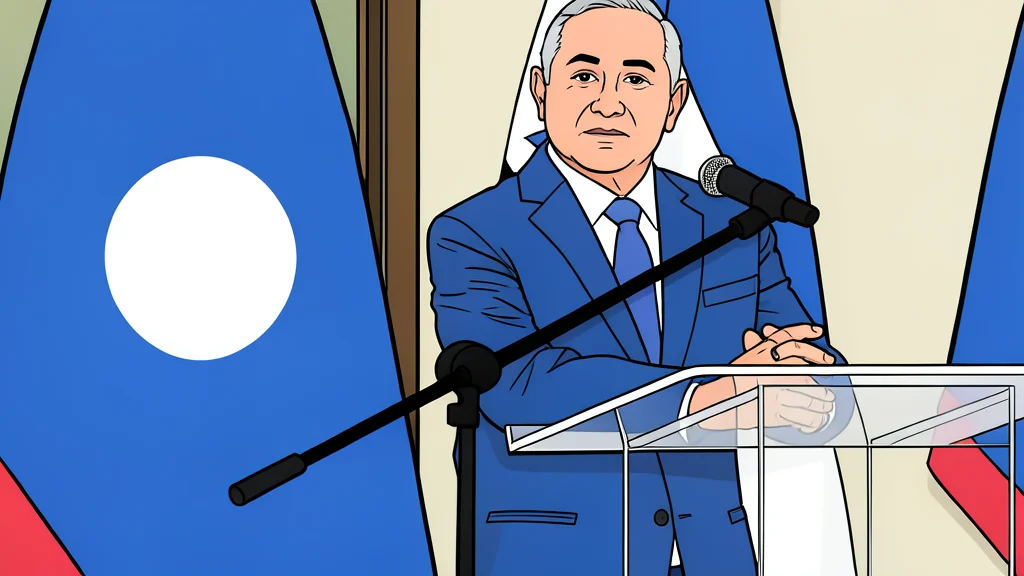
Henry Constantin, the editor-in-chief of the independent Cuban outlet La Hora de Cuba, has been detained by authorities on the island. According to reports cited by GN geopolitics/rights (en-US), he was taken into custody again two days after a brief release from a previous arrest last week. During the initial hours of his latest detention, neither his family nor his colleagues had any information regarding his whereabouts, creating a period of significant uncertainty and concern.
Authorities have reportedly accused Constantin of “disobedience,” a charge that civil society organizations view as a pretext to suppress journalistic activity. His family only received confirmation of his location at a police station yesterday. This repeated cycle of detention underscores the precarious environment in which independent journalists operate in Cuba, where legal boundaries are frequently blurred to target those reporting on human rights issues.
Escalating Pressure on Independent Media
La Hora de Cuba operates in one of the world’s most restrictive media environments, consistently reporting on arbitrary arrests, political trials, and human rights violations. Constantin previously described his work as a “survival exercise,” noting that harassment and arrests have become routine for independent voices on the island. The recent detentions illustrate how repressive conditions continue to tighten around free press operations, making daily reporting a high-risk endeavor.
The situation has drawn attention from international human rights bodies. Civil Rights Defenders, which awarded Constantin the Civil Rights Defender of the Year Award 2026 alongside the Georgian platform Netgazeti, has called for his immediate release. The organization argues that international recognition serves as a protective factor, making it more difficult for local authorities to silence defenders without global scrutiny. However, the recurrence of his detention suggests that this protective effect may be insufficient against the current enforcement climate.
International Attention and Protection
Hanna Gerdes, Chair of the Board of Civil Rights Defenders, expressed deep concern over the repeated targeting of Constantin. She emphasized that the award is not merely a recognition of courage but also a mechanism for protection. By bringing human rights defenders to the forefront of international discourse, the organization aims to raise the political cost of silencing them. Nevertheless, the recent events indicate that domestic pressure on journalists remains intense despite such external visibility.
Observers note that the pattern of brief detentions and releases is a common tactic used to intimidate independent media without necessarily initiating formal long-term criminal proceedings. This approach allows authorities to exert control while maintaining a degree of deniability on the international stage. For Constantin and his colleagues, the unpredictability of these actions creates a constant state of alert and vulnerability, further complicating their ability to report effectively.
Uncertain Future for Journalists
The forward question now centers on whether Constantin will be released again or if his detention will extend into a more formal legal process. The international community is being urged to maintain pressure on Cuban authorities to respect journalistic freedom and human rights. The coming weeks will be critical in determining if diplomatic engagement and public advocacy can provide any tangible relief for those working to uphold press freedom in the region.
As the situation evolves, the focus will likely remain on the broader implications for independent media in Cuba. The resilience of outlets like La Hora de Cuba in the face of persistent harassment will be a key indicator of the broader trends in information access and civil liberties on the island. Stakeholders are watching closely to see how these local events resonate within the larger geopolitical context of human rights enforcement.