U.S. Navy Sinks Second Refueling Vessel Linked to Ecuadorian Cartel
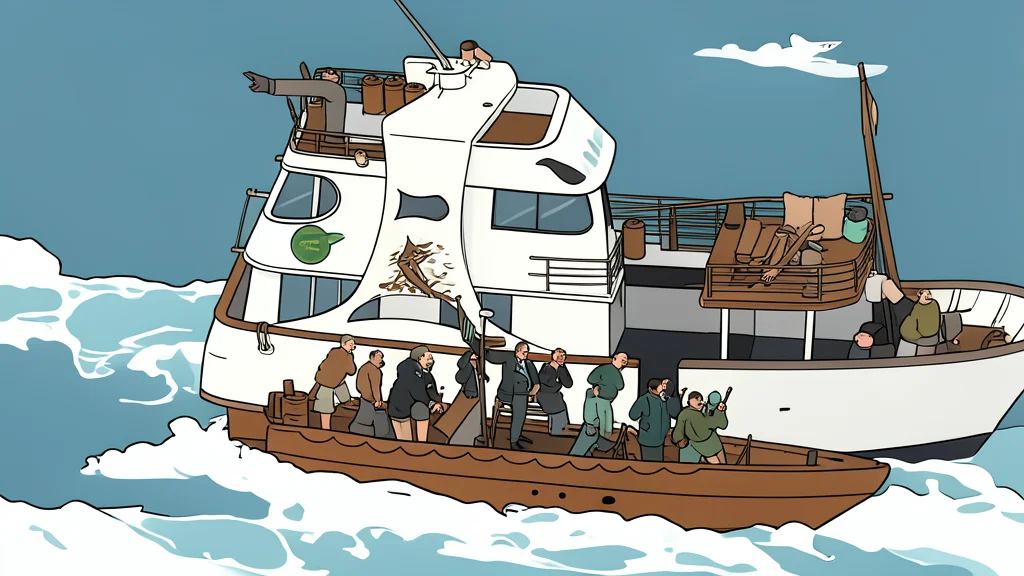
Washington confirms the interception and destruction of a second floating refueling station in the Eastern Pacific, marking a continued escalation in maritime counter-narcotics operations.
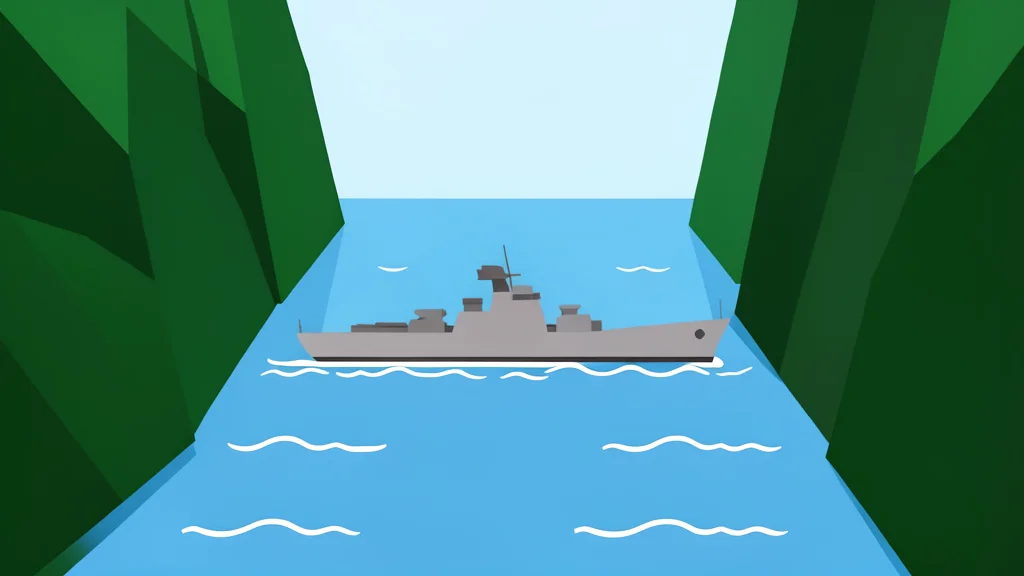
U.S. military forces have intercepted and destroyed a floating refueling vessel in the Eastern Pacific, according to U.S. Southern Command. The operation, conducted by Joint Task Force Western Hemisphere, targeted a ship allegedly providing logistical support to illicit drug trafficking networks associated with the Ecuadorian criminal group Los Choneros. The incident represents the second such interdiction of a similar vessel in the region within the past two weeks.
The action underscores a sustained effort to disrupt at-sea transfer operations that have become a primary method for moving narcotics across international waters. By targeting the refueling infrastructure rather than just the transport vessels, U.S. authorities aim to degrade the operational capacity of transnational criminal organizations. This strategic shift reflects broader concerns regarding the security of maritime routes in the Western Hemisphere.
Operational Details and Handover
According to SOUTHCOM, the intercept took place on September 16, 2026. Forces from JTF-WHEM approached the stationary vessel, which was identified through intelligence gathering as a critical node in the supply chain. Personnel aboard the ship were removed and subsequently transferred to Ecuadorian authorities for processing. Following the removal of the crew, the vessel was sunk to prevent its recovery or reuse by other actors in the region.
General Francis L. Donovan, commander of SOUTHCOM, described the operation as deliberate and lawful. He stated that the action was taken to protect citizens in both the United States and Ecuador from the harms of narco-terrorism. The general emphasized that these operations are conducted alongside partner nations to ensure that the safety of the public is prioritized over the illicit interests of criminal groups.
Pattern of Maritime Interceptions
This event follows a similar operation conducted on September 7, 2026, where U.S. forces targeted another floating refueling station linked to Los Choneros. In that instance as well, occupants were removed and handed over to local authorities before the vessel was destroyed. The repetition of these tactics suggests a coordinated campaign against the logistical backbone of drug trafficking rather than isolated incidents. Analysts note that targeting refueling vessels is a high-impact strategy because it limits the range and endurance of drug-running boats.
The GN geopolitics/war desk notes that these operations occur against a backdrop of increased tension in the Caribbean and Pacific regions. Criminal organizations have increasingly adopted maritime strategies to bypass land-based checkpoints, leading to a corresponding increase in naval and air assets dedicated to counter-narcotics missions. The recent frequency of these interdictions indicates a sustained pressure on these networks, though the resilience of the groups suggests that the conflict is far from resolved.
Regional Security Implications
The collaboration between U.S. forces and Ecuadorian authorities highlights the complex diplomatic and security dynamics in the region. Ecuador has faced significant challenges with organized crime, and the involvement of U.S. assets in the Eastern Pacific signals a deepening of security partnerships. However, such operations also raise questions about jurisdiction and the legal frameworks governing international waters. The consistent handover of suspects to local authorities is intended to respect national sovereignty while addressing transnational threats.
Looking ahead, the focus will likely remain on the Eastern Pacific as a primary theater for counter-narcotics operations. Observers will monitor whether Los Choneros and other groups adapt their tactics to circumvent these maritime disruptions. The next few weeks will provide insight into the effectiveness of this logistical targeting strategy and its impact on drug flow volumes. For now, the sinking of the vessel stands as a concrete example of the ongoing struggle to secure maritime routes from illicit use.