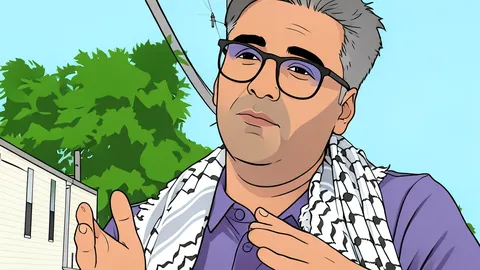
Harris Visits Detroit to Support El-Sayed's Senate Bid
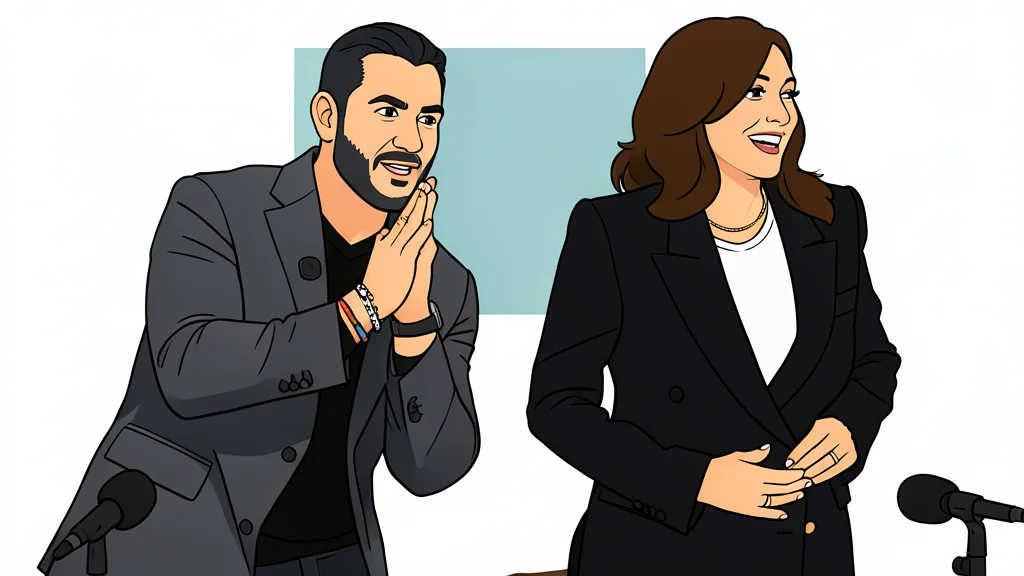
Former Vice President Kamala Harris joins Abdul El-Sayed in Detroit to address internal party divisions ahead of the November midterms.
Key points
- Kamala Harris joined Abdul El-Sayed in Detroit to strengthen Democratic unity in Michigan ahead of the midterms.
- The visit aims to bridge internal party divisions that were evident during the recent contested primary election.
- El-Sayed seeks to re-engage Black and Arab-American voters who shifted away from the party in 2024.
Former Vice President Kamala Harris has joined Michigan Senate candidate Abdul El-Sayed in Detroit in an effort to consolidate Democratic support ahead of the November elections. The joint appearance in the state’s largest city signals a strategic push to bridge internal party fractures that were exposed during the recent primary contest.
According to Al Jazeera English, the move is designed to unify voters in a critical swing state where the Democratic Party faces significant challenges in retaining its traditional coalition. El-Sayed described the visit as a step toward building a broader electoral coalition that addresses economic concerns shared across diverse communities.
Bridging internal party divisions
The campaign stop follows a contentious primary election in which El-Sayed defeated four-term Representative Haley Stevens. Stevens had enjoyed strong backing from the party establishment and pro-Israel political action committees, highlighting deep-seated tensions within the Democratic base in Michigan. El-Sayed stated that the party failed to find common ground during the 2024 presidential cycle, a factor he believes contributed to the defeat in the state.
By partnering with Harris, El-Sayed aims to move past these divisions and focus on shared economic priorities. He emphasized that assembling a winning coalition requires confronting past differences directly rather than avoiding them, urging voters to rally around issues that affect their daily lives and livelihoods.
Targeting key voting blocs
The strategic focus on Wayne County is intended to re-engage Black voters, a demographic El-Sayed struggled to carry during the August primary. This group remains central to the Democratic strategy in Detroit, where economic anxiety and political disengagement have been growing concerns among long-time supporters.
The visit also carries implications for Arab-American voters, many of whom shifted away from the Democratic Party in 2024 over issues related to U.S. policy toward Israel. Analysts note that regaining this bloc’s trust is essential for El-Sayed to secure a victory in a state where voting patterns have become increasingly volatile.
Republican response to visit
Mike Rogers, the Republican Senate nominee backed by President Donald Trump, has characterized Harris’s participation as a sign of weakness for the Democratic ticket. Rogers ran unopposed in the Republican primary and is positioning himself as a counter to the perceived division within the opposition camp.
El-Sayed rejected this characterization during the Detroit event, arguing that the hard work of bringing people together is the only viable path forward. As the election approaches, the success of this unity drive will likely determine the outcome of one of the most consequential Senate races in the nation.