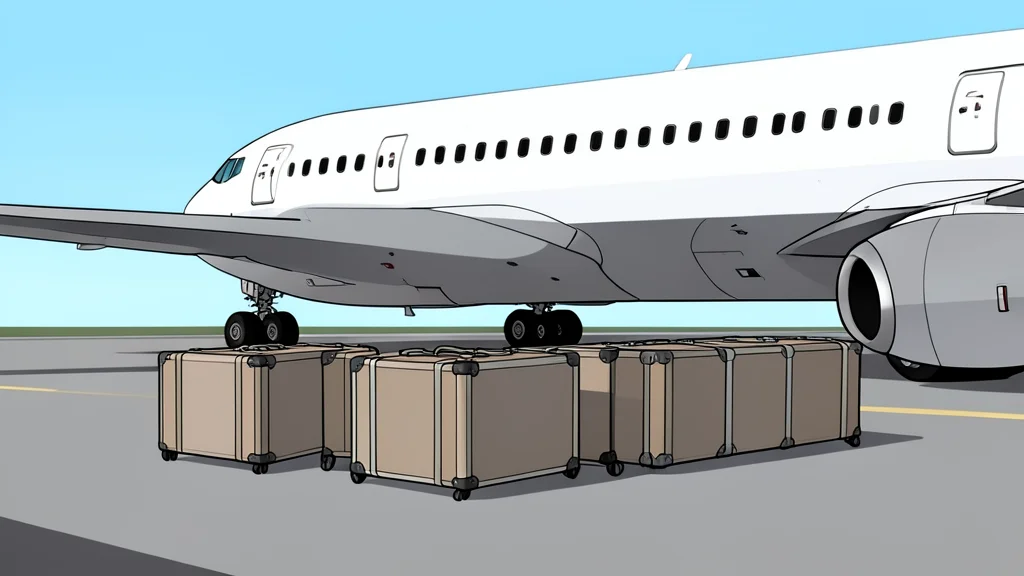
Mexico Arrests Suspected Logistics Link to Washington Drug Network
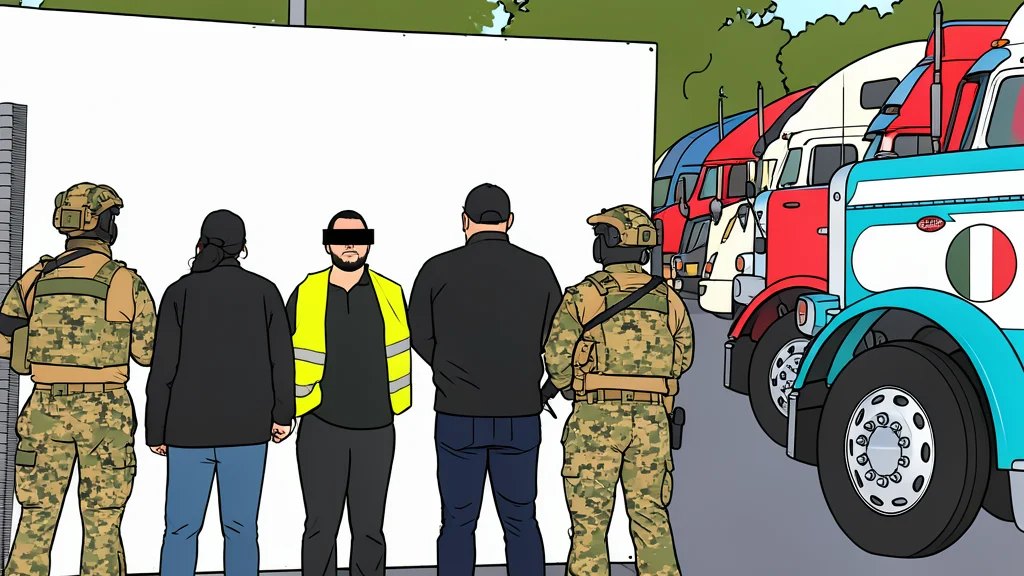
Mexican authorities have detained a suspected logistics operator accused of coordinating fentanyl shipments to the Pacific Northwest, marking a significant step in transnational law enforcement cooperation.
Mexican security forces arrested a man identified as a key logistics coordinator for a drug trafficking network with established ties to Seattle and Tacoma, Washington. According to Mexico’s Security Cabinet, Ángel Guerrero Carrillo, who operates under the alias “El Canguro,” was detained in Zapopan, Jalisco, following a joint intelligence operation with U.S. counterparts. The announcement highlights a continued effort by both nations to disrupt the supply chains that move synthetic opioids into American cities.
The arrest is attributed to the coordinated efforts of Mexico’s Navy, Attorney General’s Office, and Secretariat of Security. During the operation, officers seized a firearm, ammunition, small quantities of methamphetamine and fentanyl, cash, and a mobile phone. Mexican officials stated that the move aims to weaken the logistical capacity of criminal organizations, though specific details regarding the methods used to transport narcotics across the border remain undisclosed.
Operational Scope and Seized Materials
Authorities described Guerrero Carrillo as a member of the faction of the Beltrán Leyva Organization led by Fausto Isidro Meza Flores, known as “Chapo Isidro.” His alleged role involved the coordination of transportation and distribution of fentanyl and other synthetic drugs into the Pacific Northwest. The seizure of physical evidence, including controlled substances and a weapon, underscores the operational focus on intercepting the movement of contraband before it reaches end users in Washington state.
Historical Links to Washington Distribution
U.S. federal records indicate that the organization associated with Chapo Isidro has maintained distribution ties to Washington for over a decade. A 2017 federal court opinion, stemming from an FBI investigation, detailed how confidential informant information led to the identification of a distribution cell linked to the Meza Flores Drug Trafficking Organization. Investigators had previously observed the loading of vehicles onto transportation trucks in Centralia, Washington, and discovered cash and ledgers during a covert search, establishing a pattern of using commercial transportation for illicit goods.
More recent actions by the U.S. Treasury Department further solidify the connection between the Beltrán Leyva Organization and the Pacific Northwest. In late 2023, the Office of Foreign Assets Control sanctioned multiple individuals and entities associated with the group, citing their involvement in transporting fentanyl into the United States. These records identify specific leaders who allegedly oversee the logistics of drug movements, suggesting a persistent and organized infrastructure dedicated to moving narcotics across the border.
Strategic Implications for Border Security
The arrest of Guerrero Carrillo serves as a reminder of the complex networks that facilitate drug trafficking between Mexico and the United States. While Mexican authorities have not specified which border crossings or commercial vehicles were involved in his alleged operations, the broader context points to a reliance on legitimate supply chains for illicit purposes. This case, reported by GN auto geopolitics/americas: Mexico cartel, illustrates the ongoing challenge for law enforcement to dismantle these logistical hubs that serve as critical nodes in the transnational drug trade.
Observers will now watch for further extradition proceedings or additional arrests that may reveal the full extent of the network's operations in Washington. The interplay between Mexican intelligence and U.S. federal agencies suggests a sustained focus on disrupting the financial and logistical pillars of these organizations. As both countries continue to refine their cooperative strategies, the pressure on cartel logistics operators is expected to intensify, potentially altering the routes and methods used to move narcotics into the United States.