Protesters Form Human Chain Around Kennedy Center
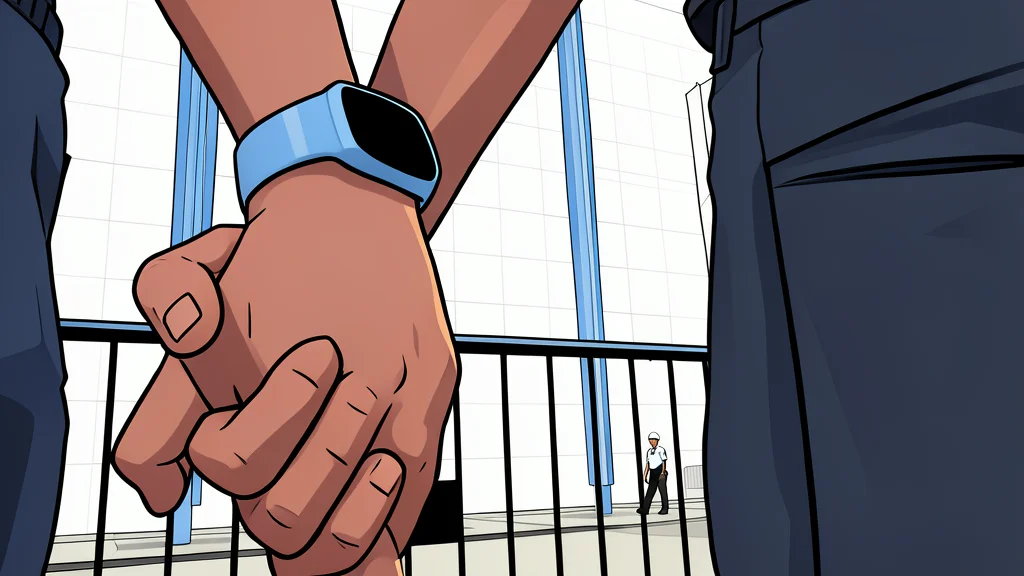
Thousands gathered in Washington to physically surround the performing arts venue following a controversial board vote to close it for repairs.
Thousands of demonstrators formed a human chain around the Kennedy Center for the Performing Arts in Washington, D.C., on Friday evening to protest a recent decision to close the venue. The gathering, organized under the banner “Hands Around the Kennedy Center,” filled the streets of the Foggy Bottom neighborhood, effectively halting traffic as participants linked hands around the building’s perimeter. According to Al Jazeera English, the event marked a significant display of public opposition to the current administration’s control over the institution.
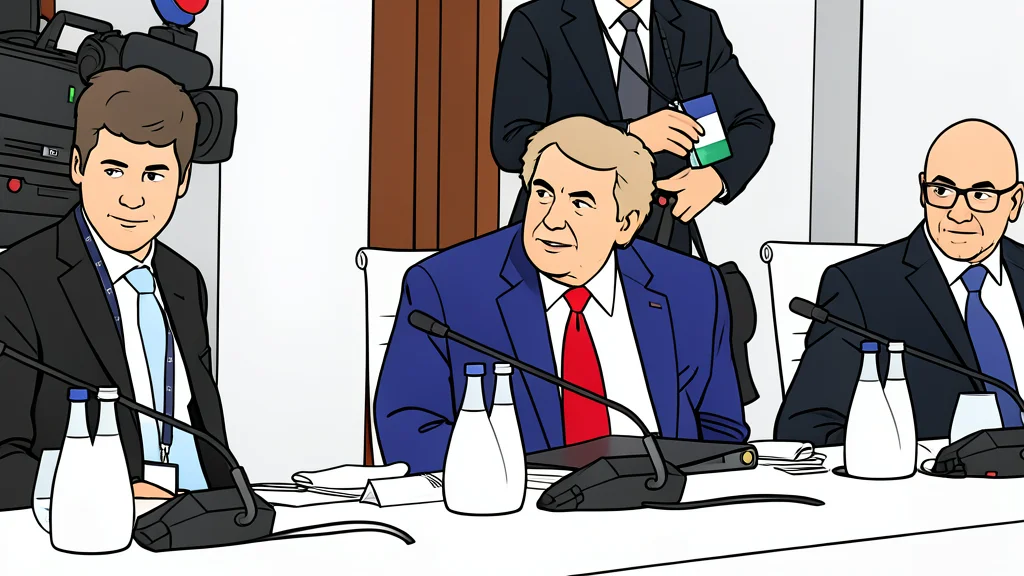
The protest occurred shortly after a board appointed by President Donald Trump voted to shut down the center for repairs that could last up to two years. This decision follows a series of legal and political conflicts regarding the building’s name and management. Critics fear that the closure may serve as a precursor to more drastic measures, including potential demolition, a possibility the president has not explicitly ruled out despite recent court orders requiring notice before major structural changes.
Legal Disputes Over Institutional Naming
The tension between the center’s board and the federal judiciary has been escalating since the new leadership took office. In December, the board added the president’s name to the building’s facade, a move that was swiftly blocked by a federal judge in May. The court ruled that the board lacked the statutory authority to unilaterally rename the institution, which Congress had designated as a memorial to President John F. Kennedy. The board subsequently attempted to modify the wording to credit the current president for renovations, but that effort was also scuttled in September by a judge who cited a previous injunction.
Concerns Regarding Structural Changes
While the administration argues that the repairs are necessary to prevent the building from falling into disrepair, organizers of the protest express concern about the scope of the work. Chris Raleigh, co-founder of the group Hands Off the Arts, noted that unexpected changes have already occurred, such as a large hole appearing in the East Wing without prior warning. He and other demonstrators are worried that the president might proceed with demolition or significant structural alterations without first notifying the court, as required by a recent order mandating a 30-day notice period for such actions.
Political Control Over Cultural Institutions
The Kennedy Center has become a focal point in the broader debate over executive influence on national cultural landmarks. Since returning to office, the president has replaced the center’s board members with loyalists and assumed the role of chairman. Proponents of this control argue that the administration is rescuing a failing institution, while opponents view it as an assertion of political power over an independent arts organization. The recent rally underscores the deep division over the future of this iconic Washington landmark and the limits of executive authority in managing federal memorials.