Iran Transmits War-Ending Conditions to Washington via Qatar

Tehran has outlined specific prerequisites for halting hostilities, seeking a diplomatic exit while maintaining military readiness.
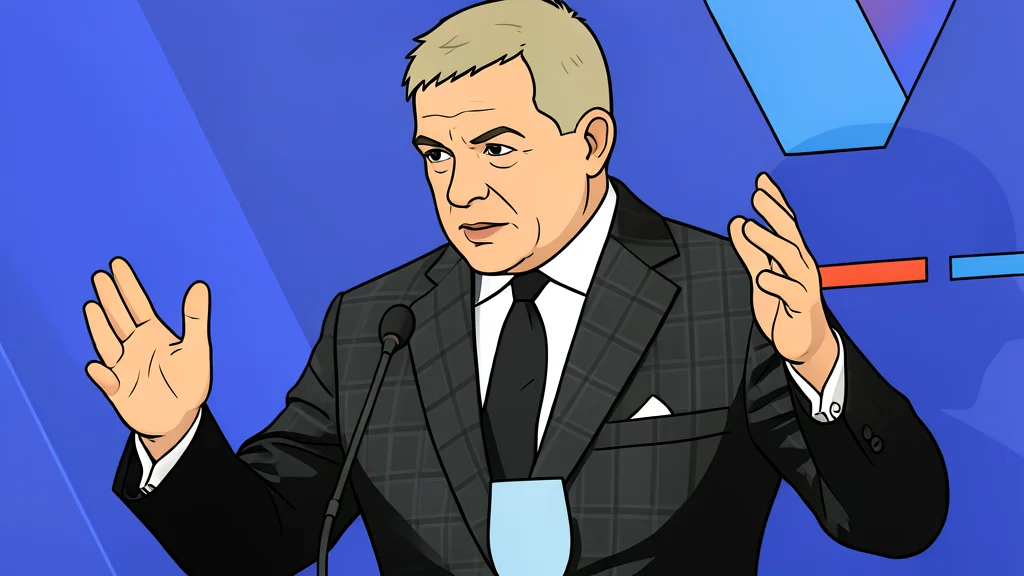
Iran has formally transmitted a set of conditions to the United States for ending the ongoing war, according to Mohsen Rezaei, the secretary of Iran’s Supreme National Security Council. Speaking to Al Jazeera, Rezaei stated that these terms were conveyed through Qatari mediators, with Tehran now awaiting a response from President Donald Trump. The proposed conditions include a comprehensive end to hostilities on all fronts, the release of frozen Iranian funds, and the lifting of the naval blockade.
This diplomatic overture comes as regional powers, including Qatar and Pakistan, work to re-establish negotiations after a memorandum of understanding between the two sides expired last month. The conflict itself began in late February when the United States and Israel launched strikes against Iran, resulting in the death of Supreme Leader Ayatollah Ali Khamenei. Rezaei, who assumed his role roughly a month ago, emphasized that while Tehran is prepared for a decisive conflict if necessary, it remains open to diplomatic resolution.
Mediation Efforts and Regional Context
According to the report from GN auto geopolitics/middle-east: Iran nuclear, the mediation process involves multiple regional actors seeking to de-escalate the situation. Rezaei confirmed that Iran remains in contact with Qatar, which has served as the primary channel for communicating Tehran’s position to Washington. He noted that accepting these conditions would be in Washington's interest, while dismissing US threats as ineffective. The involvement of Pakistan in the mediation efforts signals a broader regional push to stabilize the conflict.
Despite the diplomatic channel, Rezaei did not rule out the possibility of further US strikes on Iran, describing the threat as "very much on the cards" based on Iranian military assessments. He asserted that Tehran was fully prepared for such an eventuality. This dual-track approach reflects a strategy that combines openness to negotiation with rigorous military preparation, a posture described by Al Jazeera’s Tohid Asadi as a "two-sided, twofold message" maintained throughout the conflict.
Military Posture and Strategic Targets
Rezaei indicated that Iran’s military planning has evolved since previous rounds of conflict. He stated that current strategies are focused on US naval assets operating from the Gulf to the Gulf of Oman and the Arabian Sea. Targets extending toward the Indian Ocean are considered outside Iran's reach. The secretary also mentioned a recent test-fire of a multi-warhead anti-ship missile near a US vessel, suggesting potential for further development of such capabilities.
Any future Iranian response would likely be intense, potentially targeting US military bases in the region as well as commercial interests and companies operating locally. David Des Roches, a former Pentagon director of Arabian Peninsula affairs, suggested that Washington might view the proposed terms as a form of surrender rather than a serious diplomatic opening. However, he noted that Iran's decision to drop its earlier demand for war reparations could be interpreted as a sign of movement toward a compromise.
Forward Watchpoints for Diplomatic Resolution
The immediate focus will be on the reaction of the White House to the conditions transmitted via Qatar. Analysts are watching whether the US will engage with the specific demands regarding frozen funds and the naval blockade. The expiration of the previous memorandum of understanding has created a gap in formal negotiations, making the success of this new mediation effort critical for preventing further escalation.
Observers will also monitor Iran's military activities in the Strait of Hormuz and the Gulf, as Rezaei rejected US accusations of violating the previous agreement by striking an oil tanker. The balance between diplomatic engagement and military readiness will determine the trajectory of the conflict in the coming weeks. As Rezaei stated, in practical terms, the war is still ongoing, but Tehran is working under a new strategy to bring it to an end as soon as possible.