Canada's Dairy Farmers Face 50% US Tariff Shock
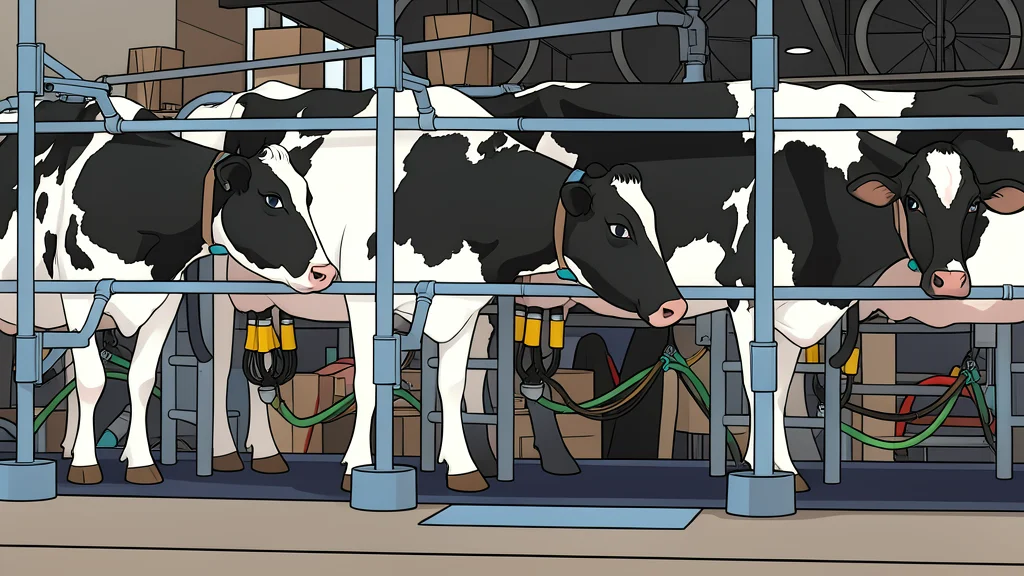
US tariffs on Canadian goods have stalled dairy exports, forcing farmers to manage perishable milk without a clear alternative market.
Key points
- A 50 percent US tariff on $20 billion in Canadian goods has stalled dairy exports since August 22.
- British Columbia farmers report that rigid milk collection schedules make it difficult to adjust to sudden demand drops.
- Canadians argue US firms already have ample tariff-free access, while Washington cites the supply management system as a barrier.
A 50 percent tariff imposed by the United States on $20 billion in Canadian goods has effectively halted dairy exports from western Canada. The measure, which took effect on August 22, has disrupted a trade flow that had been stable under the CUSMA agreement, leaving producers with immediate logistical and financial challenges.
According to reporting by Al Jazeera, the impact is particularly acute for farmers in British Columbia, where milk is collected on a rigid schedule and cannot be stored indefinitely. As US processors face new cost barriers, demand for Canadian products has dropped sharply, creating a bottleneck in a supply chain that is highly sensitive to timing.
Rigid schedules meet sudden demand drop
Casey Pruim, chair of the British Columbia Dairy Association, notes that his farm ships 28,000 litres of raw milk every other day into a provincial pool. Under the existing system, milk is distributed to processors based on aggregate demand, meaning a drop in US orders reduces the volume needed from all producers in the province.
Unlike other agricultural products, milk is highly perishable and cannot be redirected overnight to other markets. Pruim warns that if processor demand continues to fall, farmers may be forced to dump milk or, in severe cases, cull their herds. He emphasizes that livestock production is not easily adjustable, describing cows as biological entities that cannot be turned off like a tap.
Structural trade tensions persist
The dispute is rooted in Canada’s supply management system, which uses quotas and import controls to stabilize domestic prices. Washington argues this system restricts US dairy exports, while Canadian officials contend that US firms already have significant tariff-free access that is not fully utilized. This ideological divide has intensified despite the existing free trade framework.
Data from the Dairy Processors Association of Canada indicates a growing trade deficit for Canada since CUSMA entered into force in 2020. While Canadian dairy exports to the US rose to approximately 308.7 million Canadian dollars in recent records, imports have consistently exceeded exports, fueling US grievances about market access.
Uncertainty looms over future supply
Industry leaders acknowledge that the full economic impact remains difficult to quantify. Dylan Kruger, director of public affairs at BC Dairy, stated that it is too early to determine whether lost US sales can be offset by exports to other regions. The current environment is characterized by instability, with businesses struggling to adjust to rapidly changing market conditions.
The forward question now centers on whether Canadian processors can find alternative buyers quickly enough to prevent widespread financial distress among farmers. If the US market remains effectively closed due to the high tariff, the structural rigidity of dairy farming will test the resilience of the entire North American supply chain.