US Bishops Call for Dignity-Centered Migration Policy
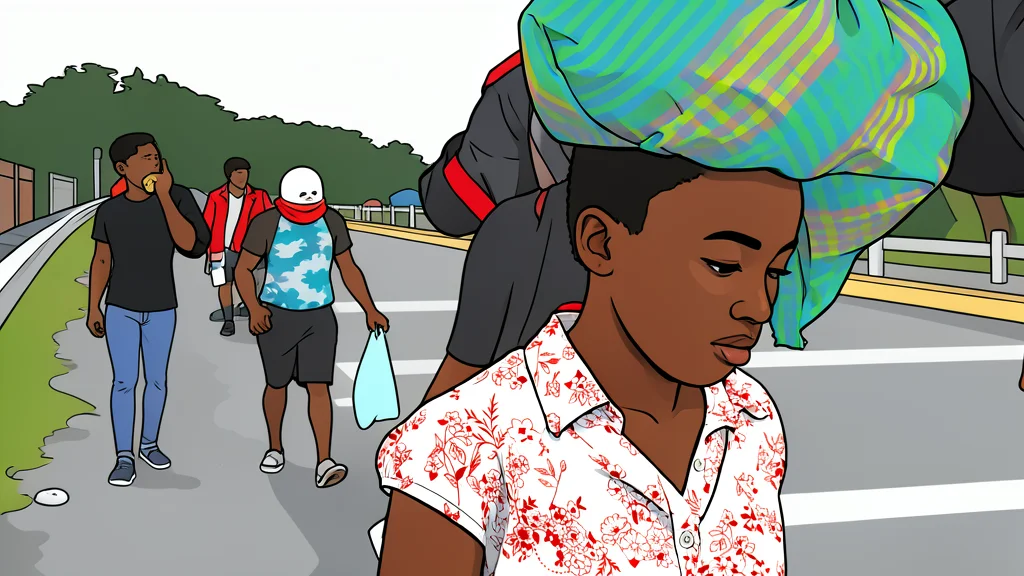
During National Migration Week, U.S. Catholic leaders emphasized the need for policies that prevent family separation and uphold human dignity, citing concerns over detention conditions and legal access.
In a statement released to mark National Migration Week, the U.S. Conference of Catholic Bishops urged federal officials to prioritize the inherent dignity of migrants. Bishop Brendan J. Cahill, who chairs the committee on migration, specifically called for policies that prevent the separation of families and ensure high standards of care for vulnerable populations. The remarks were issued just before the observance period began, aligning with the broader Church focus on the World Day of Migrants and Refugees.
The statement highlights a growing concern within the ecclesiastical community regarding the current treatment of undocumented individuals and refugees in the United States. According to the release, protections for these groups are perceived to be weakening, particularly through prolonged detention periods and reduced access to legal representation. The bishops framed their appeal not merely as a charitable act, but as a moral imperative rooted in the belief that human worth is independent of immigration status.
Historical Context of Pastoral Care
Bishop Cahill pointed to the long history of the Catholic Church in supporting immigrant communities in the United States. He referenced the work of Saint Frances Xavier Cabrini, who sheltered orphaned immigrant children in the late 19th and early 20th centuries, drawing a parallel to modern diocesan charities. These organizations currently provide vital support to families navigating the complexities of the immigration system. The bishop also expressed gratitude to law enforcement officers, social workers, and pastoral staff who contribute to the safety and well-being of migrant children.
The USCCB acknowledged the heightened social tensions surrounding immigration in the current political climate. In response, the organization invited Catholics nationwide to reflect on their faith-based obligations toward this vulnerable group. The call to action includes encouraging parishes, schools, and religious organizations to engage in prayer, educational programs, and direct pastoral outreach. This approach aims to transform abstract theological principles into concrete support for those experiencing fear and uncertainty regarding their future in the country.
Concerns Over Detention Conditions
A central point of contention in the bishops’ statement is the condition of migrants held in detention facilities. According to the text, there are concerns that prolonged stays in these facilities undermine the basic rights of individuals. Furthermore, the statement notes a decrease in access to legal representation, which complicates the ability of migrants to navigate the legal system. The bishops argued that these factors collectively erode the standard of care that should be provided to all individuals, regardless of their legal standing.
In a related video message for the 'You Are Not Alone' campaign, Bishop Cahill addressed the emotional toll on immigrant families. He noted that many families are grappling with real fear, particularly over the possibility of separation due to enforcement actions. The bishop emphasized that human dignity is a divine gift that cannot be revoked by the state. This perspective positions the debate not just as a legal or policy issue, but as a humanitarian crisis requiring immediate and compassionate attention from government and community leaders alike.
Forward Watch on Policy Responses
As the observance continues, attention will turn to how government agencies and lawmakers respond to these moral appeals. The USCCB’s stance adds a significant voice to the broader national conversation on immigration reform. Observers will likely monitor whether any legislative changes or executive actions align with the call for family unity and improved detention conditions. The coming weeks may reveal whether political will exists to address the specific concerns raised regarding legal access and the treatment of migrant children, setting the stage for further engagement between religious institutions and state authorities.