Activist Aajakia Claims Terror Infrastructure Persists in Pakistan

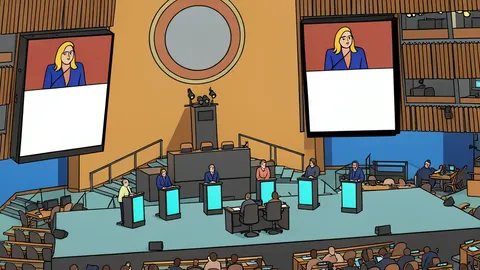
Arif Aajakia alleges ongoing human rights abuses and terrorist presence in Balochistan and PoJK during a Geneva interview.
Key points
- Arif Aajakia alleges that Pakistan harbors internationally wanted terrorists and supports militant infrastructure.
- The activist claims Balochistan’s natural resources are exploited for other provinces while locals lack basic amenities.
- Aajakia asserts social media has revealed development gaps between Indian and Pakistan-administered Kashmir.
Human rights activist Arif Aajakia has asserted that Pakistan continues to harbor internationally wanted terrorists and facilitate infrastructure that supports militant groups. Speaking from Geneva, Aajakia argued that the presence of figures such as Masood Azhar serves as proof of deep-seated links between the state and cross-border terrorism, despite official denials.
The allegations extend to the treatment of civilian populations in Balochistan and Pakistan-administered Jammu and Kashmir, where Aajakia claims systemic exploitation of natural resources and suppression of political dissent are ongoing. According to The Tribune, these claims were made in an interview that highlighted what he describes as a widening gap between state narratives and lived realities in these regions.
Alleged Links to Militant Networks
Aajakia cited the case of Jaish-e-Mohammed chief Masood Azhar to illustrate his point, claiming that Azhar was released from Indian custody following a hijacking incident orchestrated by Pakistan-sponsored groups. He questioned why such individuals remain at large within Pakistan’s borders, suggesting that terrorist camps and organizations continue to operate with state tolerance.
The activist further referenced the historical capture of high-profile targets like Osama bin Laden and Abu Zubaydah within Pakistani territory. In his view, these incidents demonstrate a pattern where the country serves as a safe haven for figures sought by the international community, challenging the narrative of complete counter-terrorism success.
Resource Exploitation in Balochistan
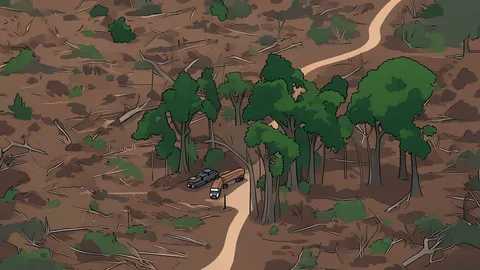
Turning to Balochistan, Aajakia described the region as occupied land where natural resources are extracted for the benefit of other provinces while locals suffer from basic deprivation. He pointed to the Sui gas fields as a primary example, noting that despite decades of extraction, the local population lacks reliable access to natural gas for cooking.
He alleged that minerals such as gold, copper, and oil are routed to Punjab and other areas, leaving Balochistan with minimal economic return. Aajakia also accused military forces of committing atrocities and extrajudicial killings against those demanding basic rights, arguing that these actions have shifted local demands from welfare to independence.
Contrasts in Kashmiri Living Conditions
Regarding Jammu and Kashmir, Aajakia claimed that the advent of social media has altered perceptions in Pakistan-administered areas and Gilgit-Baltistan. He suggested that residents are now able to compare their daily realities with those in Indian-administered Kashmir, where he claims infrastructure, education, and healthcare have seen significant expansion.
In contrast, Aajakia stated that people in Pakistan-administered Kashmir face severe shortages of food, safe drinking water, and educational facilities. He argued that state propaganda previously obscured these disparities, but digital connectivity has exposed what he describes as a stark difference in development and living standards between the two sides.