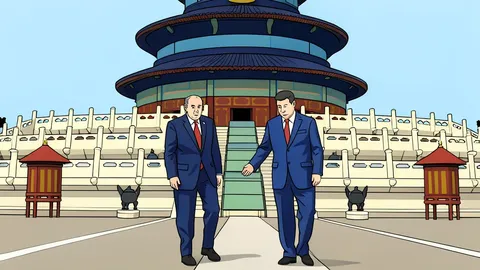
Seven Candidates Vied for UN Leadership in 2027
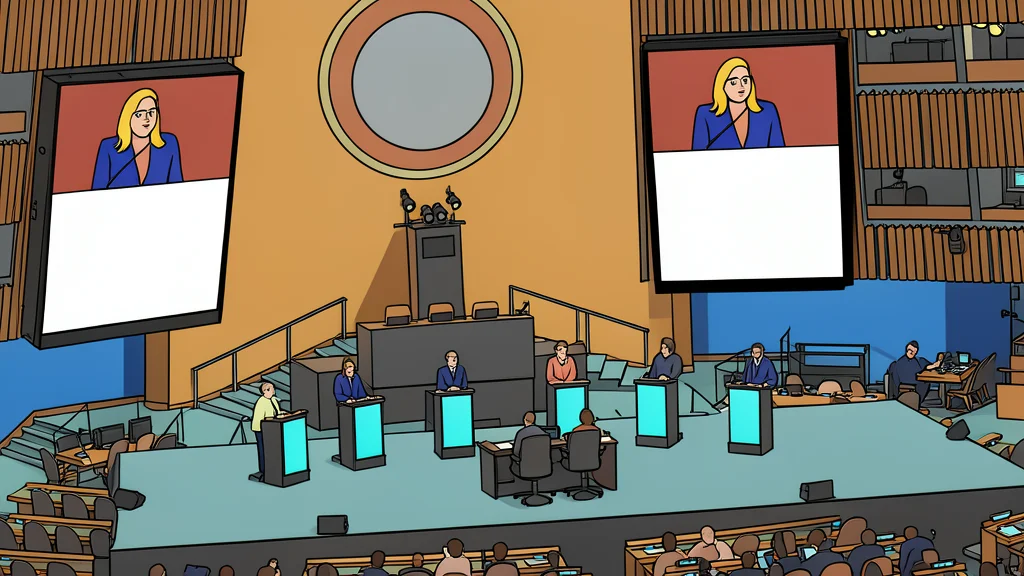
Seven candidates are competing for the UN secretary-general post, with four women in the race for the organization's first female leader.
Key points
- Seven candidates are competing to succeed António Guterres as the UN's tenth secretary-general in 2027.
- Four of the seven candidates are women, potentially making the next leader the first female head of the UN.
- The new leader must address funding shortfalls, institutional reforms, and escalating geopolitical tensions.
The selection process for the tenth secretary-general of the United Nations is currently underway, with seven individuals vying for the position. The successful candidate will assume office on January 1, 2027, succeeding António Guterres. This transition is occurring against a backdrop of significant institutional pressure and geopolitical complexity.
According to an analysis by cfr.org, this cycle is notable because four of the seven candidates are women, raising the possibility of the organization appointing its first female head. Regional rotation norms also suggest a strong likelihood that the next leader will be drawn from the Latin American and Caribbean region. The role itself remains a subject of debate regarding its actual power and influence.
Candidates Outline Reform Agendas
The contenders are presenting distinct platforms focused on institutional credibility and global challenges. Ivonne A-Baki, a former Ecuadorian ambassador, emphasizes the need for a peacemaker who can reform the Security Council. María Fernanda Espinosa Garcés, a former Ecuadorian minister, centers her campaign on five pillars including digital transformation and closing the delivery gap within the UN system.
Rafael Mariano Grossi, a former head of the International Atomic Energy Agency, is also in the running. Experts note that the UN Charter does not specify qualifications for the role, leaving the definition of the ideal candidate open to interpretation by member states. This lack of formal criteria allows for a wide range of leadership styles, from mediation to advocacy.
Role Defined by Discretion
The position is described as a blend of diplomatic, administrative, and executive functions. Richard Gowan of the International Crisis Group notes that while the role appears powerless on paper, it holds intangible influence through the pulpit and public opinion. Former secretaries-general have interpreted the mandate differently, with some acting as mediators and others as activists.
Institutional Challenges Ahead
Regardless of the winner, the incoming leader will face a set of critical obstacles. According to cfr.org, these include severe funding shortfalls, the need for internal reforms, and the management of escalating geopolitical tensions. The organization must also navigate the rapid proliferation of artificial intelligence and its impact on global security and climate policy.