Bhutan Urged to Release 28 Political Prisoners
Human Rights Watch calls for the immediate release of 28 detainees held in harsh conditions, citing recent UN reviews.
Key points
- At least 28 political prisoners remain in Bhutan, mostly from the Nepali-speaking community, facing life sentences without parole.
- Two prisoners were released in June after a UN review, proving the government can act swiftly on international recommendations.
- Human Rights Watch urges world leaders to demand the release of all remaining detainees during the UN General Assembly.
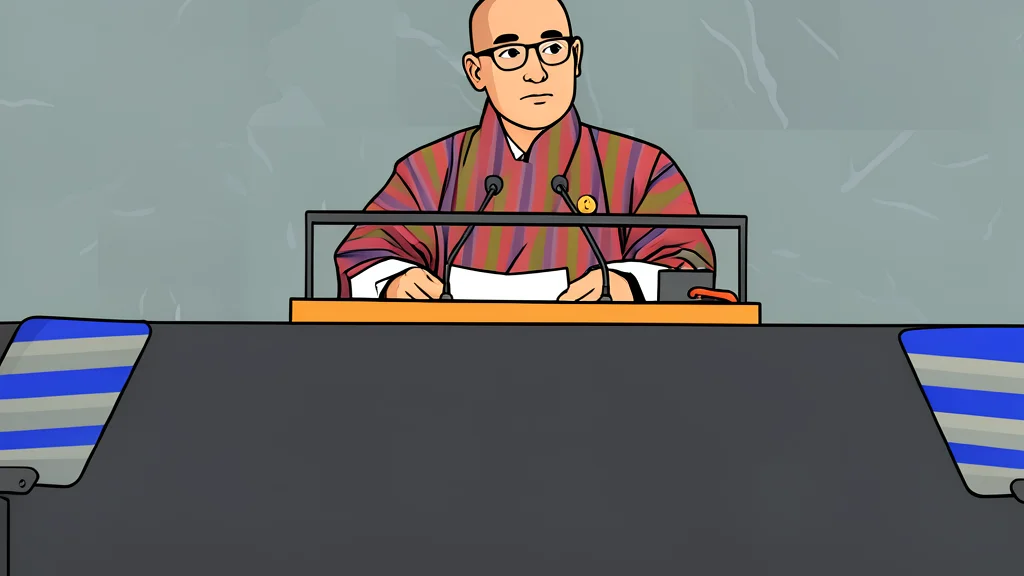
As Bhutan’s Prime Minister Tshering Tobgay prepares to address the United Nations General Assembly in New York, a significant number of world leaders are being urged to raise the issue of ongoing political detentions. The small Himalayan kingdom is facing increased scrutiny regarding the treatment of at least 28 individuals currently imprisoned for political offenses.
These prisoners, the majority of whom are from the Nepali-speaking community, have been serving life sentences without the possibility of parole since the early 2000s. Their cases stem from a period of widespread rights violations in the 1990s, during which many were allegedly tortured and convicted of terrorism and treason without access to legal defense.
Recent Releases Signal Feasibility
In June, following a review by the UN Working Group on Arbitrary Detention, Bhutan released two long-term prisoners, Chatur Man Tamang and Hasta Bahadur Rai. Both had been serving life sentences since 2008 for their involvement in the Bhutan Communist Party. According to Human Rights Watch, their release demonstrates that the government possesses both the legal mechanism and the political will to free the remaining detainees swiftly.
Eleven of the individuals still incarcerated were convicted in cases nearly identical to those of Tamang and Rai. Despite this precedent, the remaining prisoners continue to be held in what former inmates describe as deplorable conditions. Reports indicate that they are confined in remote facilities with limited medical care, inadequate heating, and restricted communication with their families abroad.
International Standards Under Review
Various UN rights experts have concluded that the current detentions violate international human rights standards. The prisoners are primarily held at Chemgang prison near the capital or at a secretive military facility in Rabuna. The lack of transparency and the severity of the sentences have drawn criticism from international observers who argue that the kingdom's reputation for promoting happiness is contradicted by its domestic human rights record.
Diplomatic Pressure Intensifies
Human Rights Watch emphasizes that the upcoming UN General Assembly provides a critical opportunity for diplomatic intervention. The organization urges international partners to stop accepting the government's polished public image and to demand concrete action on these long-standing cases. The forward-looking focus is on whether multilateral pressure will succeed in compelling Bhutan to release all remaining political prisoners and end these protracted detentions.