India and China Seek Border Stability Amid Unresolved Disputes
Leaders met in New Delhi to stabilize ties, yet analysts warn that temporary buffer zones may entrench Chinese control over key patrolling areas.
Key points
- Modi and Xi met in New Delhi to stabilize relations and strengthen trade ties after the 2020 Galwan Valley clash.
- Agreements in 2024 established buffer zones in key friction points, though analysts warn this may restrict Indian patrolling rights.
- India commits to a mutually acceptable border resolution, but unresolved disputes continue to impact regional stability and trade.
Prime Minister Narendra Modi and President Xi Jinping held bilateral talks during the 18th BRICS Summit in New Delhi, aiming to stabilize relations after years of tension. According to Daily Excelsior, the meeting emphasized strengthening trade ties and maintaining peace along the Line of Actual Control, a critical step for two nuclear-armed neighbors.
The dialogue marks a significant shift from the hostile dynamics that followed the June 2020 Galwan Valley clash, which resulted in casualties and a heavy militarization of the border. While both leaders agreed to view each other as relevant partners rather than rivals, the core territorial disputes remain unresolved, posing potential risks to regional and global stability.
Strategic Restraint and Diplomatic Efforts
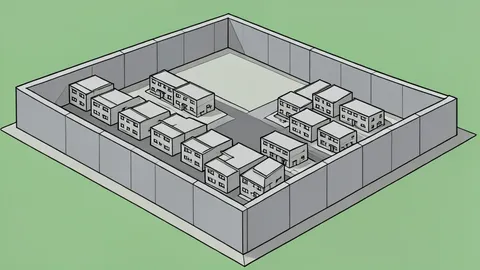
India has pursued a strategy of strategic restraint, prioritizing peace and tranquility to facilitate smoother bilateral relations. Following the 2020 incident, rigorous diplomatic and military parleys were conducted through the Working Mechanism for Consultation and Coordination to ease tensions. These efforts culminated in agreements in October 2024 for troop disengagement and the creation of demilitarized buffer zones in key friction points.
The recent meeting in New Delhi continued this trajectory, with Modi explicitly stating India's commitment to achieving a mutually acceptable resolution to the boundary question. This approach seeks to prevent the contested borders from disrupting trade and broader diplomatic ties, while acknowledging the complex geopolitical rivalry between the two most populous nations in the world.
Contested Terrain and Military Implications
Despite the progress, military analysts express concern over the implications of the temporary buffer zones established in areas previously patrolled by Indian soldiers, such as Galwan Valley, Pangong Tso, and Gogra-Hot Springs. Critics argue these zones may serve as a calculated maneuver by China to restrict Indian surveillance and push back its military presence near vital infrastructure.
Local Impact and Future Outlook
The restrictions following the 2020 clash have profoundly affected local populations, particularly nomadic tribes whose traditional grazing grounds became inaccessible. As the border remains heavily militarized, the focus now shifts to whether the diplomatic framework can hold under pressure, watching for further moves in areas like Depsang Plains, which hold critical strategic importance for regional security.