US Urges South Korea on Hormuz, Chips, and Coupang
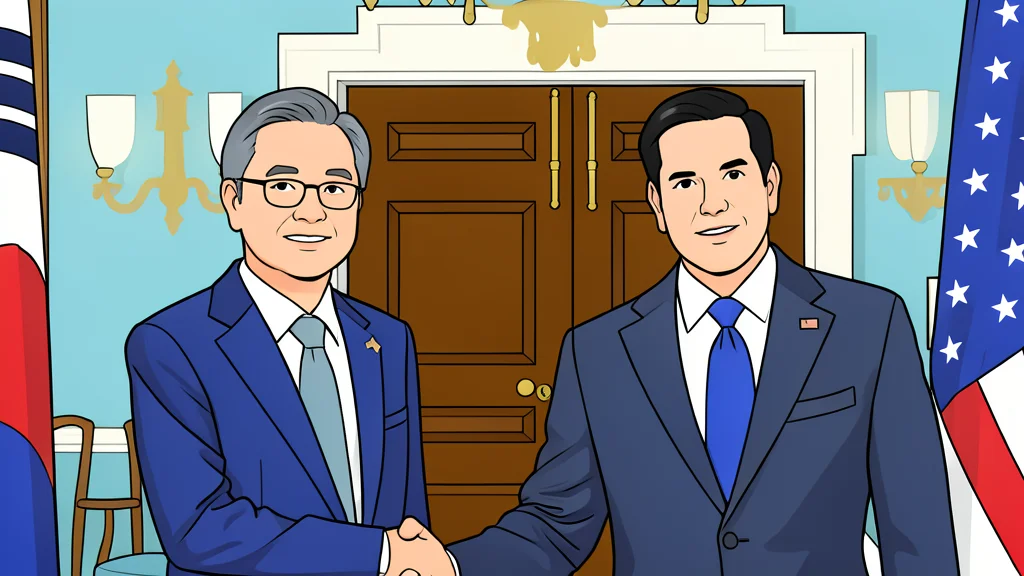
Washington pressed Seoul to expand naval roles and accelerate $350 billion in tech investments during high-level talks.
Key points
- The U.S. urged South Korea to expand the Cheonghae Unit's naval role in the Strait of Hormuz.
- Washington pressed Seoul to accelerate the $350 billion semiconductor investment commitment.
- U.S. officials called for a more favorable regulatory environment for American tech firms in Korea.
During high-level diplomatic engagements in Washington, the United States has intensified its requests for South Korea to address three distinct areas: naval contributions in the Strait of Hormuz, the acceleration of semiconductor manufacturing commitments, and the resolution of regulatory disputes involving major tech platforms. According to chosun.com, these discussions occurred despite a recent public statement by South Korean President Lee Jae Myung, who explicitly ruled out the deployment of combat troops to the Middle East.
The South Korean government finds itself navigating a complex domestic and international landscape. While the administration seeks to maintain a strong alliance with the United States, internal political opposition has grown vocal against any form of military escalation. This tension was evident when the ruling bloc faced criticism for considering alternative forms of naval support, a move that some legislators argue could serve as a precursor to direct combat involvement.
Hormuz Naval Role Clarified
The core of the military dispute centers on the scope of South Korea’s naval presence in the Persian Gulf. Following a New York Times report quoting President Lee’s refusal to intervene in war, the Blue House clarified that this stance does not constitute a rejection of all cooperation. Instead, the government is exploring ways to expand the operational scope of the Cheonghae Unit, which is currently deployed near the Gulf of Aden. This approach allows Seoul to support freedom of navigation without placing troops under U.S. command or directly engaging in combat operations.
This nuanced position has triggered a sharp response from the opposition. Approximately 250 members of the Progressive Party held a press conference at the National Assembly, demanding that the U.S. cease its pressure for troop dispatch. They argue that expanding the Cheonghae Unit’s role is a strategic step toward direct involvement in regional conflicts. Meanwhile, labor unions and civic groups in Seoul organized rallies to protest what they view as an undue concession to U.S. military interests.
Chip Investment Commitments Accelerated
Beyond military matters, the economic dimension of the talks proved to be a primary focus for the U.S. State Department. In a press release following a 50-minute meeting between Secretary of State Marco Rubio and South Korean Foreign Minister Cho Hyun, the U.S. highlighted the urgent need to fulfill the $350 billion investment pledge made during last year’s summit. The administration is urging major South Korean semiconductor firms, such as Samsung Electronics and SK Hynix, to expand their production facilities within the United States to secure critical supply chains.
Tech Regulation and Strategic Tensions
The discussions also touched upon the regulatory environment for American technology companies operating in South Korea. Secretary Rubio emphasized the necessity of a fair and transparent business environment, a statement widely interpreted as a reference to ongoing disputes involving platforms like Coupang, Facebook, and YouTube. These companies face scrutiny under South Korea’s Information and Communications Network Act, which the U.S. side views as a barrier to equitable market access. This economic pressure complements the broader strategic goals of securing supply chains and maintaining alignment on regional security issues.
Looking ahead, the diplomatic gap remains significant on certain strategic fronts. While both sides reaffirmed the goal of denuclearizing the Korean Peninsula, differences persist regarding specific capabilities, such as nuclear-powered submarines and uranium enrichment. The U.S. has not yet conceded to South Korea’s requests for these advanced defense technologies, indicating that the alliance is entering a period of renegotiation where economic leverage and security autonomy are in direct tension. Observers will closely watch whether Seoul can balance its domestic political constraints with the growing demands from Washington.