Trump Signs Sweeping Russia Sanctions and Tariff Legislation
The new law mandates significant tariffs on nations purchasing Russian energy, marking a major shift in U.S. economic policy toward Moscow.
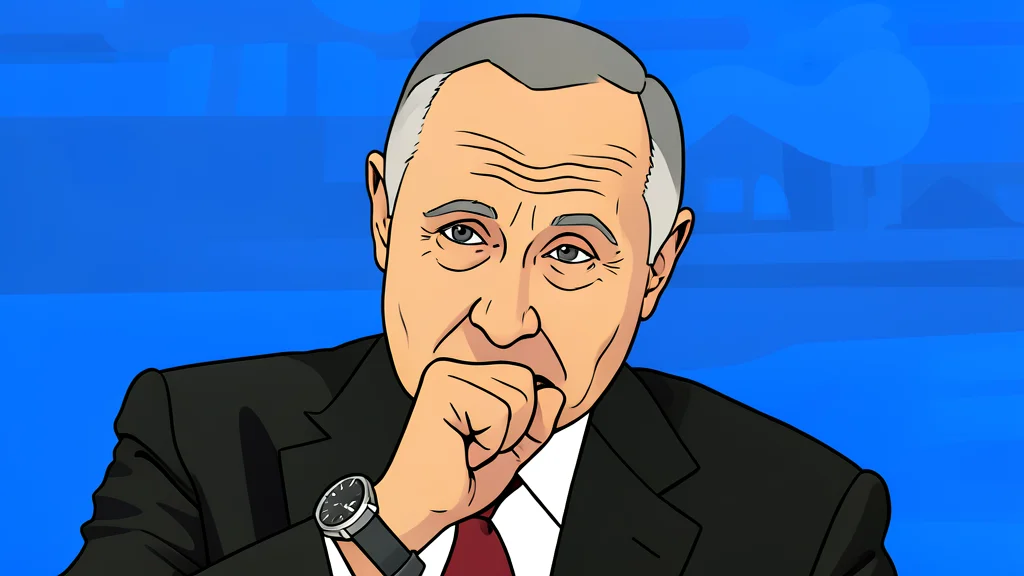
President Donald Trump has signed into law a comprehensive package of sanctions and tariff measures targeting Russia, the White House announced on September 18. The legislation, formally known as the Lindsey O. Graham Sanctioning Russia and Iran Act of 2026, expands economic restrictions on Moscow while extending the Iran Sanctions Act for an additional five years. According to the Kyiv Independent, the administration had formally backed the measure before its final passage, signaling a unified approach to increasing pressure on the Russian state.
The bill passed the House of Representatives by a vote of 262 to 159 on September 16, following an earlier 86-11 approval in the Senate in August. This substantial bipartisan support indicates a broad consensus in Congress regarding the need for stricter economic tools against Russia, despite some internal debates over the scope of executive authority granted to the president.
Tariff Mechanisms Target Energy Buyers
A central provision of the new law requires the president to impose tariffs of up to 100% on goods from countries that remain among the five largest importers of Russian crude oil or natural gas. These measures are scheduled to be introduced within 30 days of enactment, although the legislation includes waiver authority that allows the president to adjust or exempt specific nations from these penalties. Additionally, the law authorizes tariffs of up to 500% on goods imported directly from Russia, aiming to disrupt trade channels that sustain the Russian economy during the ongoing conflict.
While the legislation does not explicitly name specific countries, analysts note that major purchasers such as China and India could be significantly affected if they continue to buy Russian energy. The law also targets nations identified as facilitators of sanctions evasion, specifically those involved in helping Russian companies circumvent existing financial and trade restrictions. This broad scope is designed to tighten the global economic noose around Moscow by penalizing third-party states that maintain commercial ties with the Russian energy sector.
Ukrainian Response to Legislative Move
President Volodymyr Zelensky welcomed the signing, expressing gratitude to President Trump and the members of Congress who supported the measure. Zelensky highlighted the legacy of Senator Lindsey Graham, who had advocated for years to increase economic pressure on Moscow by targeting oil purchases and financial services. He emphasized that Graham believed the United States possessed sufficient leverage to confront authoritarian governments if it acted with decisive resolve.
In a statement, Zelensky said that the best way to honor Graham’s memory would be the full and swift implementation of the law’s provisions. He quoted Graham’s philosophy that peace and security are achieved through strength and resolve. The sentiment reflects a strategic alignment between Kyiv and Washington, viewing economic isolation as a critical component of the broader effort to end the war and stabilize the region.
Political Context and Legislative History
The bill was renamed in honor of Senator Lindsey Graham, who died on July 11 at the age of 71 from a heart condition. Graham, a Republican from South Carolina, had pushed for this legislation for over a year, viewing it as essential to curbing Russian aggression. His death, which occurred a day after a meeting with Zelensky in Kyiv, added a somber tone to the final stages of the bill’s passage.
Despite the bipartisan support, the bill faced opposition from some lawmakers who raised concerns about the broad tariff authority it grants to the executive branch. Critics argued that such extensive powers could have unintended consequences for global trade relationships. However, the swift passage in both chambers suggests that the political will to strengthen sanctions against Russia outweighed these reservations. The forward question now centers on how the administration will implement these tariffs and whether it will utilize its waiver authority to navigate complex diplomatic and economic relationships.