Russia’s Duma Vote Signals Stability Amid Economic Strain
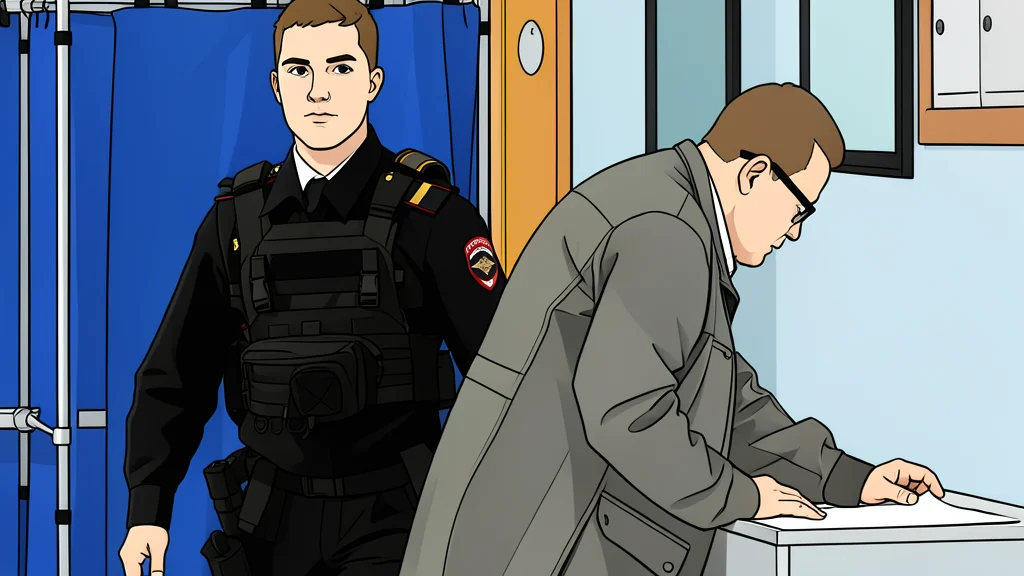
With the outcome predetermined, the Kremlin seeks to project domestic unity through a procedural ritual rather than a competitive democratic contest.
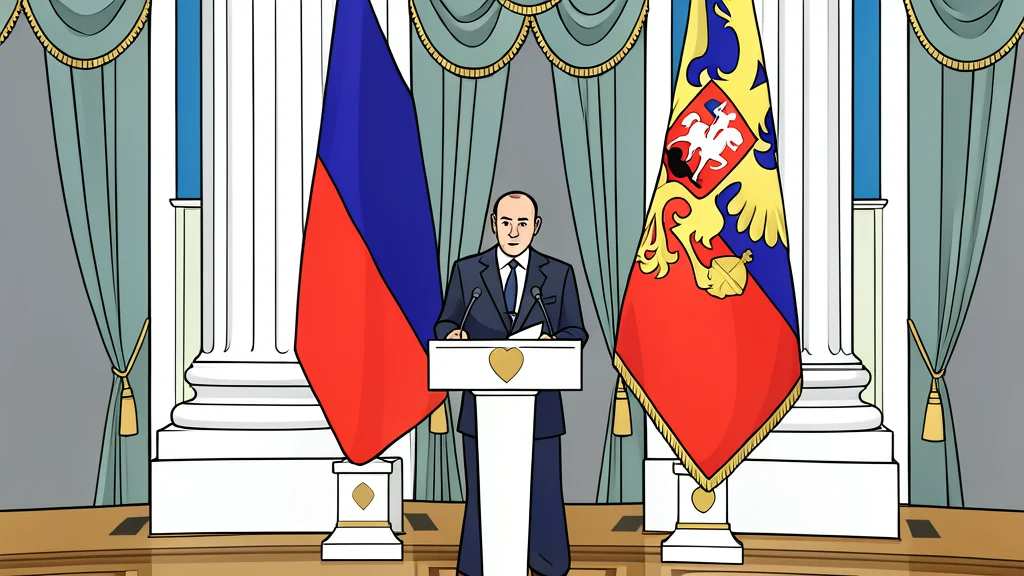
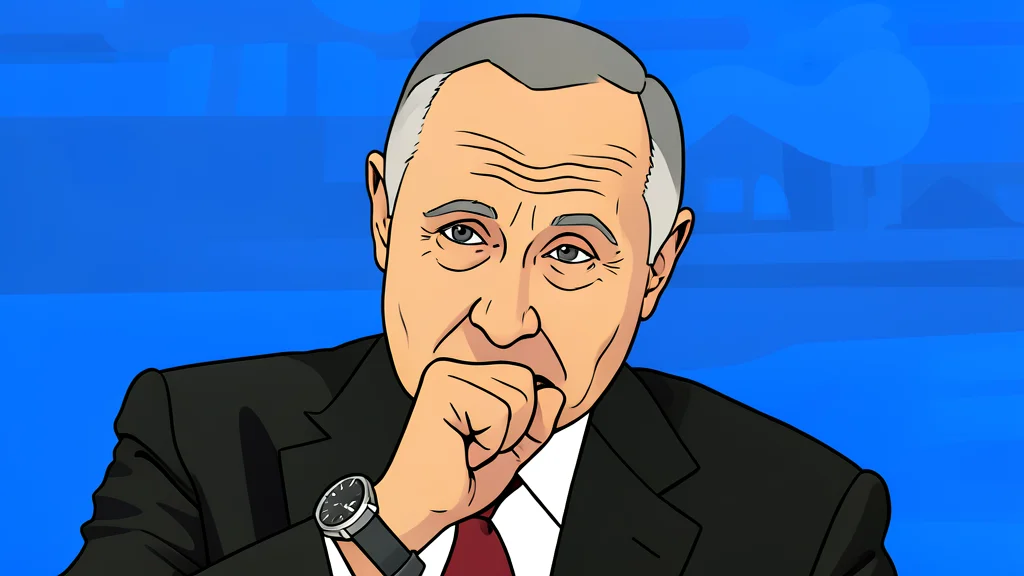
Russia has begun its first State Duma elections since the full-scale invasion of Ukraine began in early 2022. The Kremlin frames this three-day vote as a critical test of public cohesion, aiming to demonstrate that the population remains united behind the war effort despite mounting economic pressures. President Vladimir Putin addressed the nation, urging citizens to view their participation as a declaration of shared values and historical memory. The message is clear: the state expects visible loyalty from its citizens during a period of sustained conflict.
However, the political landscape suggests that the outcome is effectively foreclosed. According to Foreign Policy, polling indicates that United Russia, the party most closely associated with the presidency, is on track to secure nearly 40 percent of the vote. This dominance comes in the absence of genuine opposition, as independent groups have been barred from the process and foreign observers were not invited. The election thus serves less as a mechanism for change and more as a ceremonial affirmation of the existing power structure.
The Absence of Genuine Opposition
The procedural integrity of the vote has been significantly constrained in recent years. Moscow has excluded independent opposition candidates from seeking office, and the country’s primary nonstate election monitoring organization ceased operations last year following the detention of its leader. Among the few registered parties competing against United Russia, none polls above 14 percent, and many have a history of aligning their legislative votes with the ruling party’s agenda. This environment leaves little room for substantive policy debate or political alternation.
Indicators of disengagement are visible even within the official campaign framework. In several districts, candidates skipped scheduled televised debates, with some regions reporting only a single participant showing up for the event. For instance, in Russia’s 158th district, six candidates absent themselves from two days of broadcast discussions. This lack of competitive engagement underscores the ritualistic nature of the proceedings, where the performance of voting is prioritized over the substance of choice.
Economic Pressures Undermine Public Sentiment
The Kremlin’s push for a display of unity contrasts sharply with the deteriorating economic conditions facing many Russians. A recent poll by the Levada Center suggests that one-third of the population anticipates rising unemployment over the next year. Infrastructure and supply chain issues have worsened, with fuel shortages exceeding 30 percent in various regions, including critical diesel supplies. These logistical challenges strain both daily life and the broader economy, complicating the narrative of stability that the state media promotes.
Additionally, the physical toll of the conflict continues to impact commercial sectors. Reports indicate that Ukrainian drone strikes on Russian warehouses have caused significant financial losses to the e-commerce industry, estimated at nearly $4.74 billion this year. As the war enters its fifth year with limited recent battlefield gains, the disconnect between the state’s rhetoric of resilience and the tangible economic hardship experienced by citizens becomes increasingly apparent.
Diplomatic Reactions and Regional Alliances
While Moscow focuses on internal signaling, Kyiv has used the occasion to strengthen its external partnerships. Ukraine hosted the inaugural Carpathian Eight Summit, bringing together leaders from seven Central and Eastern European nations, including former Soviet satellite states. President Volodymyr Zelensky described this grouping as a foundational pillar of defense, emphasizing the durability of these alliances. This diplomatic move serves as a counterpoint to the Kremlin’s isolationist narrative, highlighting Ukraine’s deepening integration with its regional neighbors.
The divergent approaches to the election period reflect the broader strategic postures of the two nations. For Russia, the vote is an internal mechanism to validate the current leadership’s handling of the war. For Ukraine and its allies, the focus remains on solidifying collective security arrangements and maintaining international support. The election results, while largely predictable, will be closely watched by analysts as a barometer of domestic stability in Moscow.