Defence Report Notes Reduced Chinese Troop Presence Along Northern Border
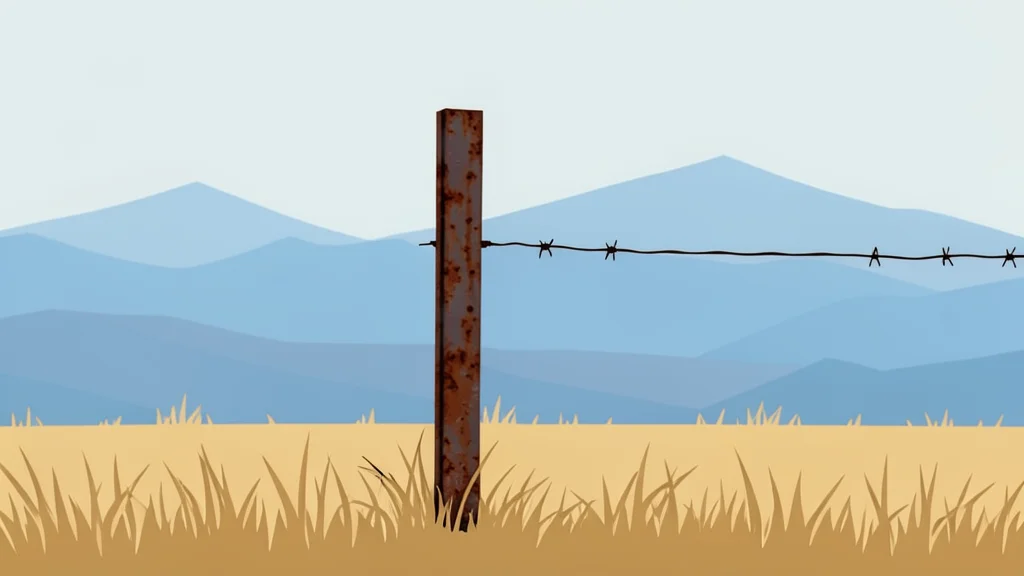
India’s Ministry of Defence has reported a significant decrease in the scale of Chinese military deployments along the Line of Actual Control, signaling a continued thaw in bilateral relations following years of high tensions.
India has recorded a marked reduction in the presence of Chinese People’s Liberation Army troops opposite its northern borders, according to the annual report released by the Ministry of Defence. The document highlights that while tension has eased, a substantial military presence remains in place, with ten Combined Arms Brigade-size forces deployed along the Line of Actual Control and in traditional training areas.
This development follows a period of intense standoff and diplomatic friction that began with the 2020 Galwan clash. Since the implementation of a patrolling agreement in October 2024, both nations have gradually scaled up military and diplomatic engagements. The defence ministry attributes the recent stability to a series of high-level meetings and ground-level discussions that have fostered a more predictable environment along the disputed boundary.
Sustained Military Presence Amidst De-escalation
The Ministry of Defence report, which covers the period from January 2025 to March 2026, confirms that China maintains ten Combined Arms Brigade-size forces in the region. Although this represents a scaled-down presence compared to previous peaks, the retention of such a large force indicates that New Delhi continues to view the border situation with caution. The report notes that these deployments are situated both along the LAC and in designated training zones, reflecting a dual focus on immediate border security and long-term operational readiness.
According to the ministry, the year 2025 witnessed significant positive developments in border management. The report cites the 33rd and 34th rounds of the Working Mechanism for Consultation and Coordination, as well as the resumption of Special Representatives talks, as key factors in this trend. Furthermore, the 23rd Corps Commander Level Meet held in Eastern Ladakh in late 2025 is highlighted as a critical step in restoring military-to-military communication channels that had been largely suspended during the previous years of confrontation.
Diplomatic Momentum in 2026
The diplomatic trajectory has accelerated in 2026, with multiple high-level engagements occurring between the two nations. The most recent and high-profile meeting took place on September 12 in New Delhi, where Prime Minister Narendra Modi and Chinese President Xi Jinping met on the sidelines of the BRICS Summit. This encounter marked Xi Jinping’s return to India after seven years and to the capital after more than a decade, underscoring the elevated status of the bilateral relationship.
During their bilateral discussions, both leaders emphasized the need for a strategic and long-term perspective on their ties. India’s Ministry of External Affairs stated that the two sides agreed that differences should not escalate into disputes. The leaders reaffirmed their commitment to resolving boundary issues through a fair and reasonable process, while also addressing broader concerns such as structural trade imbalances and supply chain dependencies.
Outlook for Border Stability
The forward-looking assessment from the defence ministry suggests that the current stability is being reinforced by a framework of mutual respect and sensitivity. Border Personnel Meetings continue to be held in all sectors, described as taking place in a cordial and friendly environment. This institutionalized dialogue is viewed as essential for managing incidents and preventing misunderstandings from spiraling into broader conflicts.
As the geopolitical landscape in Asia-Pacific continues to shift, the relationship between India and China remains a critical variable. The next phase will likely involve testing the durability of these agreements through continued military consultations and diplomatic engagement. Observers will be watching closely for any shifts in troop deployments or the frequency of high-level talks, as these indicators will provide the clearest signals of whether the de-escalation trend is becoming permanent or remains a temporary pause in a longer-term strategic competition.