Russia's Cost-Efficient Arms Strategy Shifts Conflict Dynamics
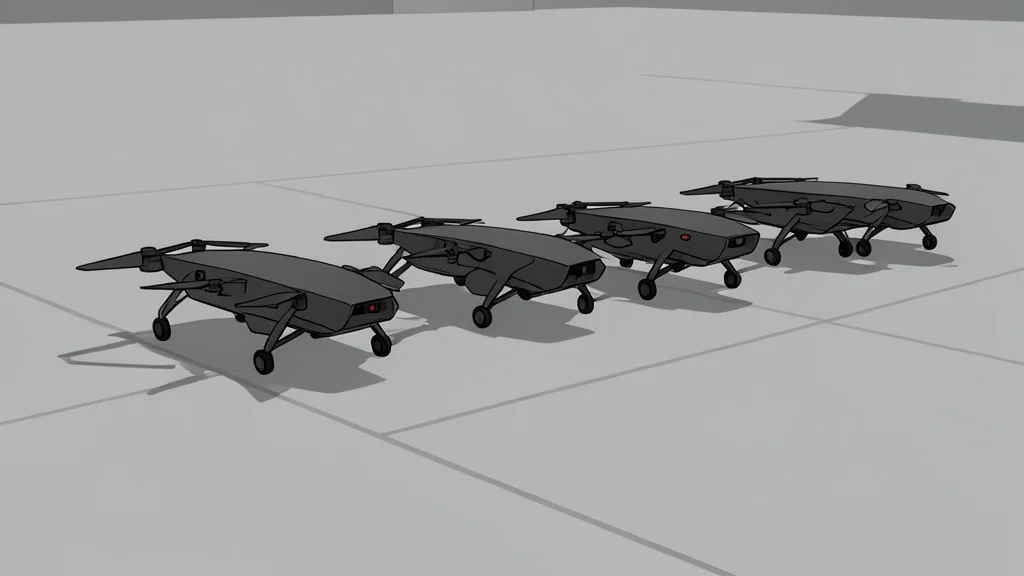
Moscow is reportedly scaling up the production of low-cost, advanced weaponry, a move that challenges Western defense industries by prioritizing volume and speed over singular technological superiority.
According to reports from GN auto geopolitics/global: arms race, Russian authorities have significantly expanded the manufacturing of military systems that combine high technical capability with low production costs. This strategic pivot allows Moscow to sustain operations in Ukraine while simultaneously positioning itself for broader military competition with the United States. By leveraging insights gained from recent combat operations, Russia aims to produce drones, missiles, and electronic warfare systems in large quantities, creating a logistical advantage that relies on scale rather than just sophistication.
The shift marks a departure from traditional arms race dynamics, where the primary focus was on developing the most advanced single unit. Instead, the emphasis has moved toward the capacity for rapid, sustained production. This approach poses a distinct challenge for Ukraine, which struggles to secure sufficient ammunition stocks, and for the United States and its European allies, who are working to replenish depleted reserves. The core of this new competition lies in balancing cost, speed, and quantity, factors that may prove decisive in any prolonged conflict.
Manufacturing Scale as Strategic Advantage
Modern warfare increasingly depends on the ability to replace lost equipment quickly and cheaply. Russia’s focus on optimizing production lines to reduce costs and increase output rates reflects a pragmatic adaptation to the demands of sustained combat. By developing systems that are easier to manufacture in bulk, Moscow seeks to maintain pressure on the battlefield even as resources become strained. This strategy underscores that possessing advanced technology is no longer sufficient; the capacity to deploy it in large numbers is becoming the decisive factor in modern military engagements.
Western Defense Industry Challenges
For the United States and Europe, this development highlights a complex equation for defense industries. The goal is no longer solely to outpace adversaries in technological superiority but to match or exceed their ability to produce affordable, high-volume systems. European allies, in particular, face the task of ramping up production capacities that have lagged behind in recent decades. The challenge is to develop systems that combine technical edge with the low cost and rapid manufacturing speed required for protracted conflicts, a balance that has proven difficult to achieve in current defense procurement models.
Future Implications for Military Competition
The evolving nature of this arms race suggests that future conflicts will be defined by industrial resilience as much as tactical innovation. Observers note that lower-cost, mass-producible weapons can deliver significant impact when deployed in swarms or large formations, forcing opponents to expend expensive countermeasures. The next phase of military competition will likely focus on how effectively nations can integrate advanced technology with efficient manufacturing processes, ensuring that they can sustain operations over time without prohibitive financial costs.