Gulf Diplomacy Stalls as Yemen Conflict Disrupts Oil Markets
A sudden cancellation of regional talks and new Houthi strikes on Saudi infrastructure have sent shockwaves through the Gulf, driving crude prices to multi-year highs and testing the limits of American diplomatic leverage in a widening conflict.
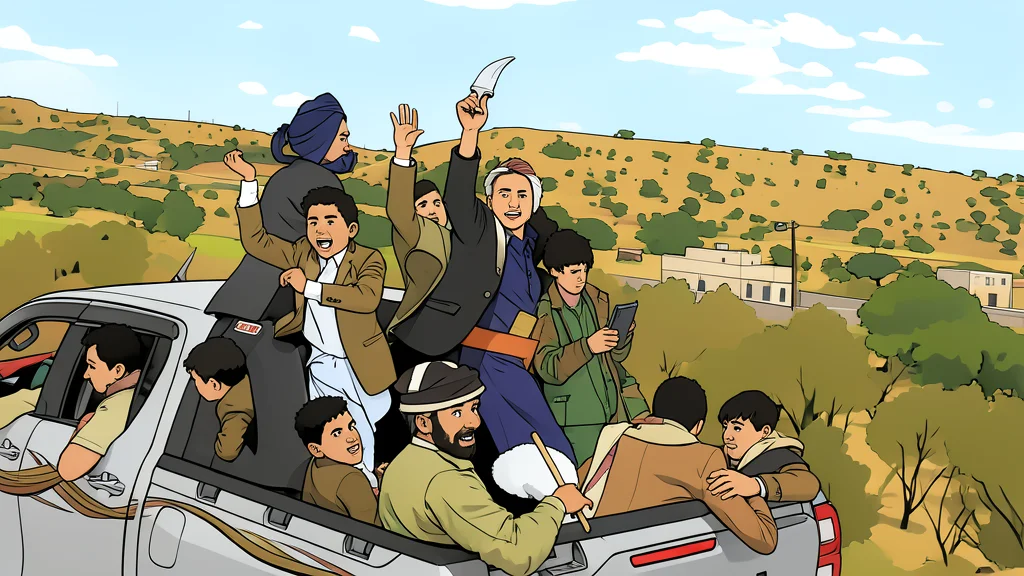
Diplomatic efforts to de-escalate tensions in the Persian Gulf have effectively stalled, with scheduled negotiations between Arab states and Iran abruptly canceled. According to recent reports, this withdrawal from the negotiating table coincides with a sharp increase in military activity by Yemen’s Houthi faction, who have resumed targeted attacks on Saudi Arabian infrastructure. The convergence of these diplomatic and military developments has created a volatile environment that is rapidly outpacing traditional regional mediation efforts.
The immediate consequence of this escalation is visible in global energy markets. Crude oil prices have spiked by more than three percent, while U.S. diesel prices have reached record levels. Market analysts cite the closure of a critical Saudi oil pipeline as a primary driver of this volatility. The disruption threatens to remove approximately four percent of the world's total oil supply from circulation, a significant blow to global energy security that has intensified anxiety among international buyers and policymakers alike.
Infrastructure Damage Drives Market Volatility
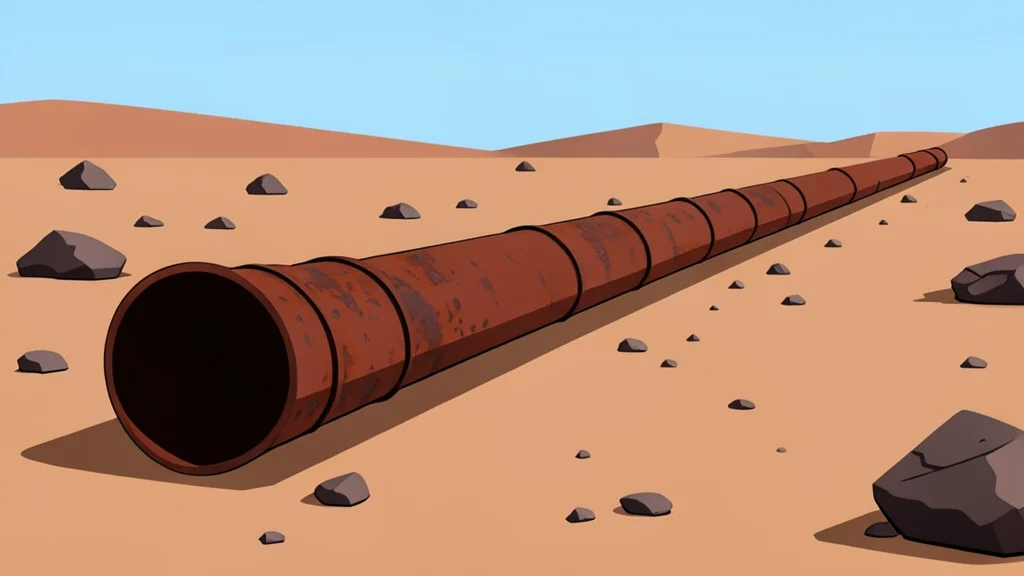
The physical impact of the conflict is becoming increasingly tangible, with images surfacing of damaged pipeline infrastructure in the region. This disruption is not merely symbolic; it represents a tangible reduction in the flow of hydrocarbons to global markets. As the Houthi attacks continue to target Saudi installations, the reliability of the Gulf's export capacity is being called into question. For investors and energy traders, the risk premium associated with Gulf-origin oil is rising, reflecting a growing concern that the conflict may persist beyond the immediate timeframe.
The economic ripple effects are already being felt by consumers and industries dependent on stable fuel costs. The surge in diesel prices poses particular challenges for transportation sectors and logistics networks that rely heavily on refined products. As the pipeline remains offline, alternative supply routes are being strained, further complicating an already complex global supply chain. The situation underscores the fragility of global energy systems when geopolitical instability intersects with critical infrastructure vulnerabilities.
Washington Faces Diplomatic Dilemma
The United States finds itself in a challenging position as it weighs its response to the escalating conflict. President Trump faces mounting pressure from allies and domestic political figures to take a stronger stance in support of Saudi Arabia. However, the administration is also wary of the risks associated with direct military intervention, which could lead to a broader war in the region. This delicate balancing act requires careful navigation between maintaining alliance commitments and avoiding an unwanted escalation that could draw the U.S. into a protracted conflict.
According to the GN auto geopolitics/middle-east: Yemen conflict analysis, the diplomatic conundrum is compounded by the complexity of regional alliances and the multifaceted nature of the Houthi threat. The U.S. must consider the potential long-term implications of any action it takes, weighing the immediate security needs of its partners against the broader strategic interests of maintaining stability in the Middle East. The lack of a clear diplomatic pathway forward leaves the U.S. with limited options, each carrying significant political and military risks.
Regional Stability Under Pressure
The broader implications of this crisis extend beyond the immediate belligerents, threatening to destabilize the entire Gulf region. Neighboring countries are closely monitoring the situation, aware that any further escalation could have cascading effects on their own security and economic interests. The cancellation of high-level talks signals a breakdown in the regional dialogue mechanisms that have historically helped manage tensions. Without these channels, the risk of miscalculation and unintended escalation increases significantly.
As the conflict enters a new phase, the focus is shifting from immediate reaction to long-term strategy. The durability of the current Houthi attacks and the potential for further retaliation will be key factors in determining the trajectory of the crisis. For now, the region remains on a knife's edge, with the outcome of the coming weeks likely to shape the geopolitical landscape for years to come. The world watches as the Gulf grapples with a conflict that has the potential to redefine power dynamics in the Middle East.