Uruguay Commends India's BRICS Chairship and Global South Focus
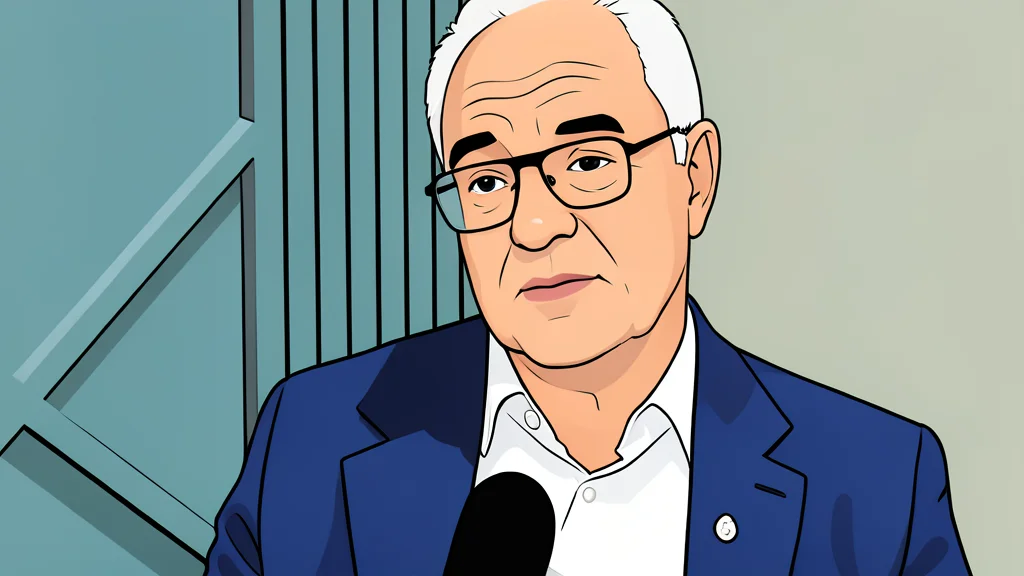
Uruguay's foreign minister highlights the success of the 18th BRICS Summit in New Delhi, praising India's ability to foster consensus among diverse member states on key global issues.
Uruguay has expressed strong support for India's leadership during the recent 18th BRICS Summit, describing the Indian chairmanship as a significant diplomatic achievement. According to Foreign Minister Mario Lubetkin, the summit successfully navigated a complex international environment by prioritizing consensus among its diverse member nations. The Uruguayan official emphasized that the outcomes reflect a substantive contribution to global dialogue, particularly regarding the interests of the Global South.
In an interview with ANI, Lubetkin acknowledged the challenges faced by the bloc in maintaining unity amid varying national interests. He noted that the New Delhi Declaration represents a positive step forward, illustrating Uruguay's own commitment to deepening collaborations within the group. The minister stressed the importance of communicating the summit's relevance to the broader international community, framing the event as a moment of strengthened solidarity among emerging economies.
Fostering Consensus Amidst Global Complexity
The Uruguayan delegation viewed the Indian presidency as a critical period for defining the bloc's future direction. Lubetkin highlighted Prime Minister Narendra Modi's role in bridging gaps between member states, a task that requires significant diplomatic finesse. By focusing on shared objectives rather than divergent agendas, the summit managed to produce outcomes that were both substantive and broadly accepted. This approach is seen as vital for maintaining the relevance of BRICS in a fragmented geopolitical landscape.
Prioritizing Sustainability and Innovation Partnerships
Beyond diplomatic maneuvering, the summit placed considerable weight on practical cooperation in areas such as sustainability and innovation. Lubetkin pointed to these sectors as key areas where Uruguay and India can enhance their joint efforts. The emphasis on these themes underscores a broader strategy to position BRICS not just as a political forum, but as a driver of economic and technological development. Uruguay's participation in these discussions reflects its desire to be an active participant in shaping the agenda for developing nations.
The minister also noted that the success of the summit serves as a model for other multilateral engagements. By demonstrating that consensus is possible even with diverse interests, the group has sent a positive signal to the international community. This narrative of unity and purpose is intended to attract further engagement from other countries and reinforce the standing of the Global South in global governance structures. The focus remains on translating these diplomatic achievements into tangible benefits for member states.
Looking Ahead to Future Engagements
As the leadership transitions, the next steps for BRICS will likely focus on implementing the commitments made in New Delhi. The Uruguayan government plans to continue its active participation in future sessions, leveraging the momentum generated by the recent summit. The coming months will be crucial for testing the durability of the consensus reached, particularly as global economic and political dynamics continue to shift. The success of these follow-up actions will determine the long-term impact of the Indian chairmanship.
Analysts suggest that the emphasis on Global South initiatives will remain a central theme in upcoming diplomatic forums. The ability of BRICS to maintain its cohesion and deliver on its promises will be closely watched by international observers. Uruguay's positive assessment of the current phase indicates a level of satisfaction with the current trajectory, though challenges remain. The focus will now shift to how these high-level agreements are operationalized in regional and bilateral contexts.