Expanding US-Uzbekistan Economic Ties Beyond Capital Projects
New trade frameworks and cross-border investments signal a deepening partnership between Washington and Tashkent, with a focus on critical minerals and regional development.
The economic relationship between the United States and Uzbekistan is entering a new phase characterized by broader commercial integration and reciprocal investment. Recent developments, including the signing of trade commitments and the launch of joint investment platforms, indicate a strategic shift toward deeper industrial cooperation. According to The Diplomat, this momentum is driven by mutual interests in energy, critical minerals, and infrastructure modernization.
While high-profile deals such as the purchase of U.S.-made aircraft and the opening of an Uzbek manufacturing plant in Kentucky have drawn attention, analysts suggest that the long-term sustainability of this partnership depends on how well these macroeconomic gains are translated into local employment and quality of life improvements for the Uzbek population. The diplomatic engagement has accelerated significantly, with presidential-level meetings planned for the near future.
Trade Commitments and Investment Platforms
In June, U.S. Trade Representative Jamieson Greer visited Tashkent to finalize early harvest trade commitments. These agreements outline reciprocal tariff reductions on industrial and agricultural goods, laying the groundwork for a comprehensive Agreement on Reciprocal Trade and Investment. Simultaneously, the U.S. International Development Finance Corporation established a joint investment platform aimed at identifying strategic opportunities in sectors such as energy, logistics, and critical minerals.
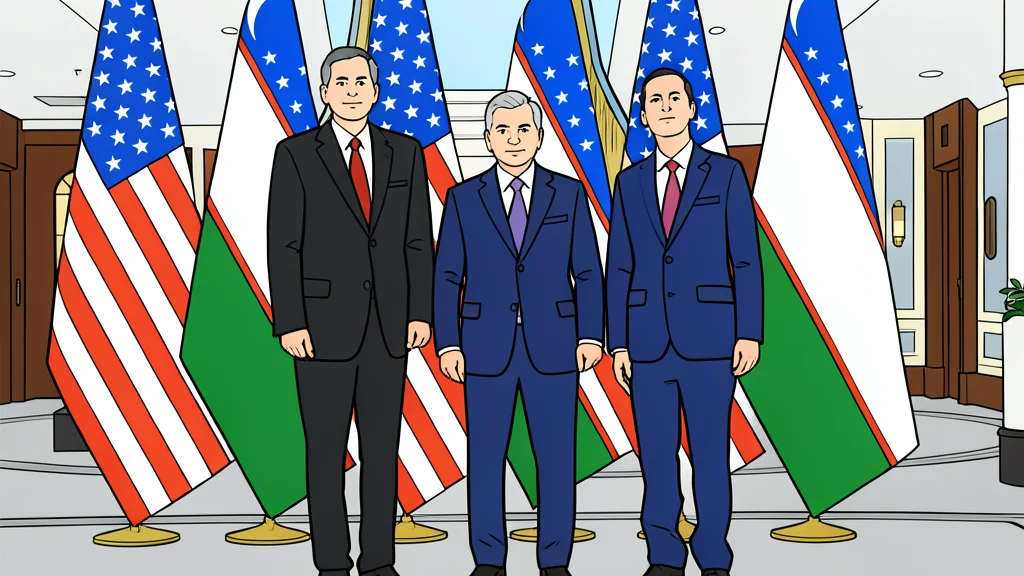
These formal structures have been reinforced by high-level diplomatic interactions, including discussions between Uzbek President Shavkat Mirziyoyev and U.S. special envoy Sergio Gor. The conversations reportedly focused on resource access and transportation infrastructure, reflecting a shared interest in stabilizing supply chains and enhancing regional connectivity. The upcoming invitation for the Uzbek leader to attend the G-20 summit in Miami further underscores the elevated status of bilateral relations.
Bidirectional Investment Flows in Industry
A notable departure from traditional aid-based models is the emergence of Uzbek capital in the U.S. market. The company AFKA has broken ground on an aluminum manufacturing facility in Bowling Green, Kentucky. This project marks the first instance of an Uzbek manufacturing entity operating in the United States and is expected to create hundreds of local jobs. Such reciprocal investment challenges the notion that economic flows in Central Asia are unidirectional.
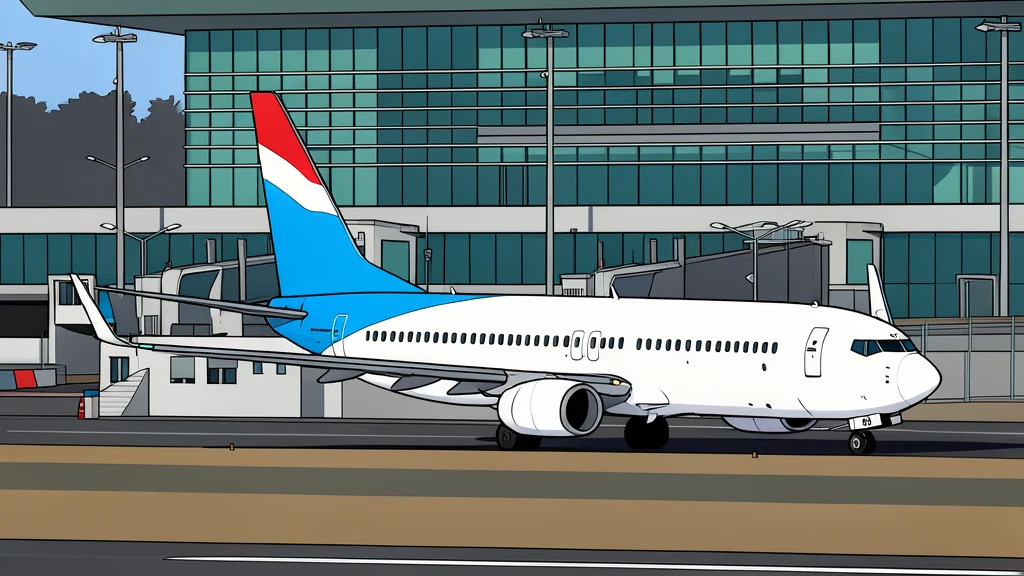
On the other side of the ledger, Tashkent has committed to a significant procurement of Boeing 787 Dreamliner aircraft. This $8.5 billion deal aims to modernize the country’s aviation sector, enabling direct long-haul flights to the United States. The expansion of air connectivity is seen as a catalyst for increased tourism and business travel, further integrating the two economies.
Regional Development Beyond the Capital
While the capital city benefits from major infrastructure upgrades, Tashkent is also pursuing development in historic and regional hubs. Cities like Khiva are undergoing renovations to improve tourism infrastructure, including new conference facilities and improved transport links. In Nukus, the capital of Karakalpakstan, plans include modernizing public transportation with support from international financial institutions. These efforts aim to distribute economic benefits more evenly across the country.
As the partnership evolves, the focus is shifting from mere transaction volume to structural economic integration. The next phase will likely hinge on the successful implementation of the joint investment platform and the tangible delivery of projects in critical mineral extraction and renewable energy. Observers will watch closely to see if the diplomatic momentum translates into sustained industrial growth and social progress in both nations.