ICAN Australia Criticizes Albanese over Nuclear Treaty Absence
Advocates argue the Prime Minister's refusal to sign the TPNW undermines his receipt of a global citizenship award during his UN visit.
Key points
- ICAN Australia criticizes Prime Minister Albanese for accepting a global citizenship award without signing the nuclear ban treaty.
- US nuclear-capable bombers and submarines are increasingly integrated into Australian defense infrastructure and bases.
- Advocates argue that joining the TPNW is necessary to establish legal guardrails and protect regional stability.
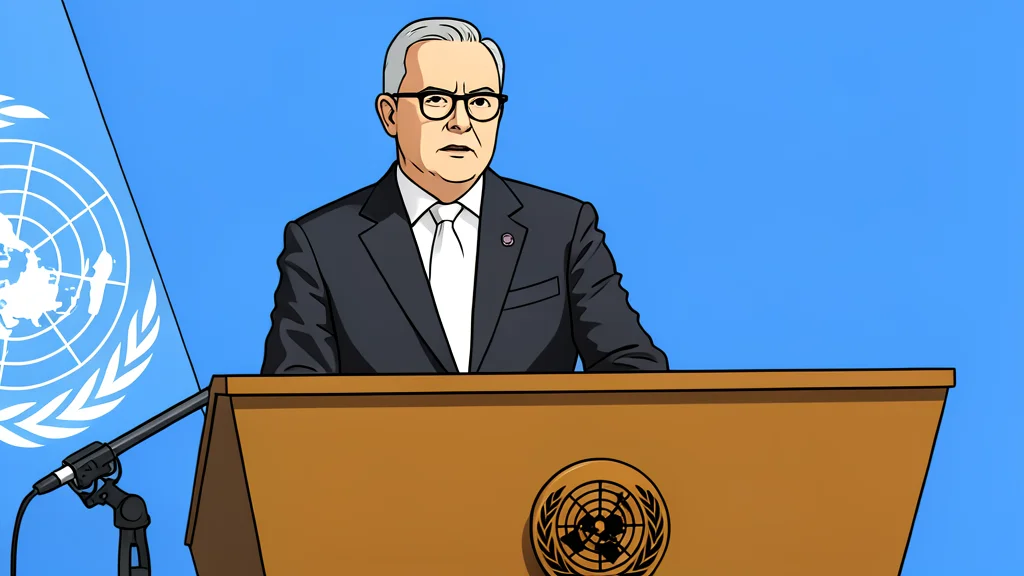
Prime Minister Anthony Albanese is set to receive a Global Citizen Award from the Atlantic Council while addressing the United Nations General Assembly. The recognition highlights his role in advancing the AUKUS security pact, a move that has drawn sharp criticism from humanitarian and security experts. These advocates argue that the award overlooks a significant gap in Australia’s nuclear policy: the failure to sign the Treaty on the Prohibition of Nuclear Weapons.
According to ICAN Australia, the Prime Minister is missing a pivotal opportunity to demonstrate genuine global citizenship by promoting disarmament. The organization notes that prioritizing military integration with the United States risks alienating neighboring countries in the Asia-Pacific region, many of which have already banned nuclear weapons. They contend that accepting an award for advancing a nuclear-capable defense alliance without joining the ban treaty presents a contradictory stance on peace.
Escalating US military integration
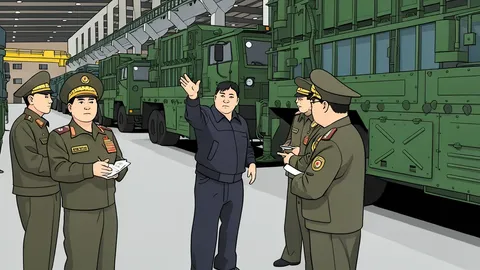
Security concerns are rising due to Australia's increasing strategic exposure to US nuclear operations. Recent developments include the deployment of long-range B-52 bombers, most of which are nuclear-capable, to bases in the Northern Territory. Additionally, US Virginia-class submarines are scheduled to rotate through Western Australia, with plans to carry nuclear-tipped cruise missiles by 2032. These moves embed Australian facilities into US targeting and command networks, raising questions about the country's strategic independence.
Research compiled by the Australian Bases and US Involvement Project indicates that US personnel and global armaments corporations are now present across more than 110 Australian installations. Professor Richard Tanter of the Nautilus Institute described this level of integration as turning Australia into a forward staging ground for foreign conflict. He argued that legally binding guardrails are necessary to ensure these facilities remain strictly nuclear-weapon-free.
Call for legal guardrails
Advocates suggest that joining the TPNW would establish the necessary international benchmarks to protect domestic sovereignty. According to ICAN Australia, this treaty offers an established framework that guarantees Australian facilities remain free of nuclear weapons. The organization warns that the current trajectory of nuclear enmeshment potentially contravenes Australia's obligations under the South Pacific Nuclear Free Zone Treaty, which prohibits the stationing of nuclear weapons in the region.
Unfulfilled campaign promises
Critics point to a disconnect between the Prime Minister's past rhetoric and current actions. Associate Professor Tilman Ruff, the founding chair of ICAN, noted that eight years ago, Albanese stated he would strengthen Australia's stance on nuclear weapons by signing and ratifying the TPNW. Now in his second term, Ruff argues that the Prime Minister should be using his presence in New York to keep this word rather than accepting accolades for military alliances.
The debate highlights a broader tension between Australia's strategic partnership with the United States and its commitment to regional stability. As nuclear risks escalate, the pressure on Canberra to provide clear legal boundaries on its military infrastructure is intensifying. The upcoming UN General Assembly session will likely see continued calls for the government to align its foreign policy with the principles of disarmament and non-proliferation.