Ukraine Drops Combat Robots Behind Russian Lines
Ukrainian forces used heavy drones to deliver explosive-carrying ground robots into the Russian rear, marking a first in combat history.
Key points
- Ukraine’s Third Army Corps airdropped explosive-carrying robots more than six miles behind Russian lines for the first time in combat.
- Officials cite drone payload limits and landing difficulties as constraints, restricting the tactic to specific obstacle-crossing scenarios.
- The operation cleared 40 square kilometers in its second phase, contributing to cumulative gains of over 125 square kilometers in Donetsk.
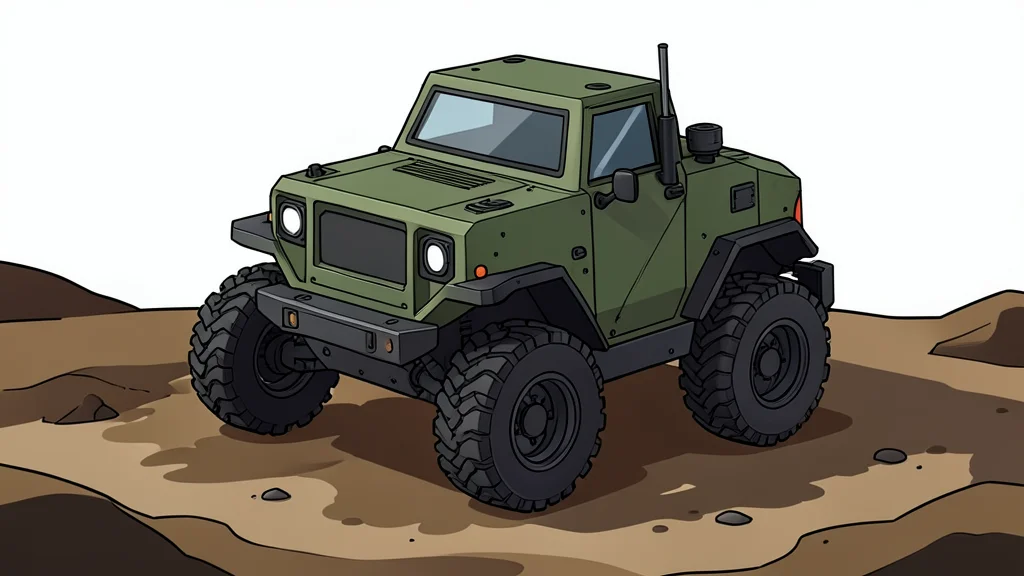
Ukraine’s Third Army Corps reported the first combat use of airdropped unmanned ground vehicles, describing a maneuver that bypassed traditional front-line approaches. According to the corps, heavy drones carried explosive-laden robots more than six miles into Russian territory during the ongoing Operation Vivaldi in northern Donetsk. This method allows robotic units to reach targets that would otherwise be inaccessible to ground-based machines moving through contested terrain.
The operation, announced on September 21, involved the Third Assault Brigade using heavy bomber drones to transport the unmanned systems behind enemy lines near Lyman. Brigadier General Andrii Biletskyi stated that this marked the first time ground robotic systems have been landed in this manner. The corps emphasized that while infantry remains central to victory, these robots serve to protect troops by engaging the enemy first, reducing risk for human soldiers.
Operational Limits and Tactical Scope
Despite the novelty of the tactic, military officials noted significant constraints. Viktor Pavlov, an officer in the ground robotics battalion, explained that the approach is limited by the payload capacity of the carrier drones and the difficulty of landing robots without damaging them. According to Pavlov, the technique is currently a targeted tool rather than a routine method, primarily useful for crossing obstacles like rivers, swamps, or dense forests that ground vehicles cannot navigate independently.
The term "marsupial" is sometimes used to describe this method of one unmanned system carrying and releasing another. Ukrainian forces had demonstrated similar capabilities earlier this year, using heavy drones to lower compact ARK-1 robots behind Russian lines. While the U.S. Army tested air-dropped ground robots over three decades, the capability was never fielded for combat use, making Ukraine’s recent deployment a distinct development in modern warfare.
Context Within Broader Offensive
The robot delivery was part of a wider coordinated assault. The corps reported that Ukrainian air defense and electronic warfare units blinded Russian reconnaissance drones, preventing them from detecting the advancing forces. Simultaneously, artillery and strike drones targeted Russian command posts, communications nodes, logistics hubs, and reserve positions. This multi-domain approach aimed to disrupt enemy coordination while Ukrainian troops advanced on the ground.
According to The SOFX Report, the second phase of Operation Vivaldi cleared approximately 40 square kilometers of territory. Ukrainian forces regained control of Shandryholove and Derylove and established full control over Drobysheve. The corps stated that cumulative gains from the operation exceed 125 square kilometers, with more than 3,000 Russian personnel losses reported since the offensive began.
Strategic Implications for Donetsk Front
The Institute for the Study of War assessed that Operation Vivaldi had already achieved an operationally significant result by disrupting Russia’s efforts to encircle the fortified belt of Donetsk cities. This defensive line anchors Kyiv’s hold on the region, and the disruption represents a shift in the tactical balance. The corps indicated that two of the operation’s four planned phases are complete, suggesting further maneuvers are likely in the coming weeks.
As the conflict continues, the integration of aerial delivery systems with ground robotics may define new patterns of engagement. Observers will watch whether this tactic expands beyond specific obstacle-crossing scenarios into a broader component of Ukrainian offensive strategy. The effectiveness of these systems in sustained combat remains a key factor to monitor as both sides adapt to evolving technologies.