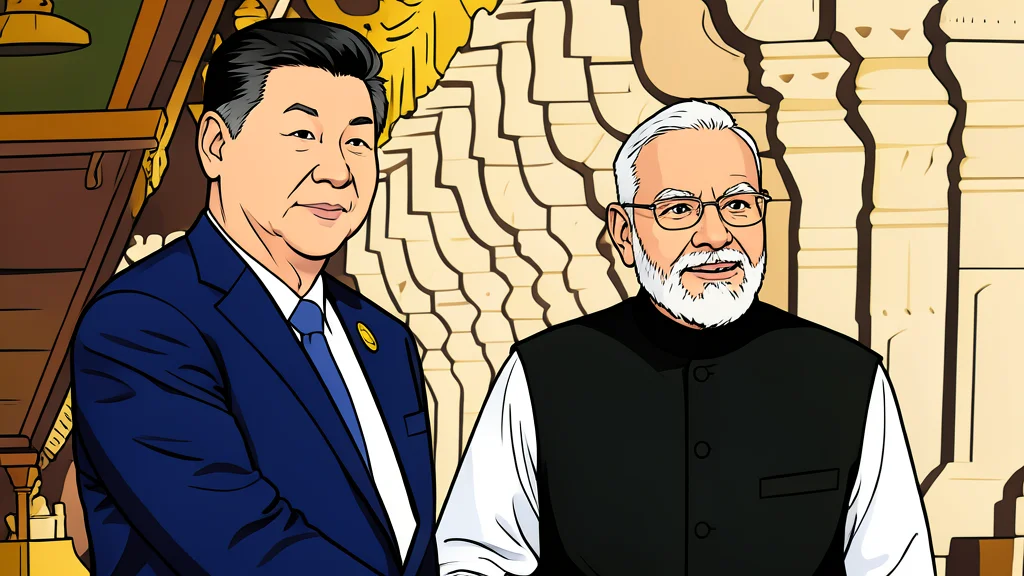
India and China Commit to Managing Himalayan Border Tensions
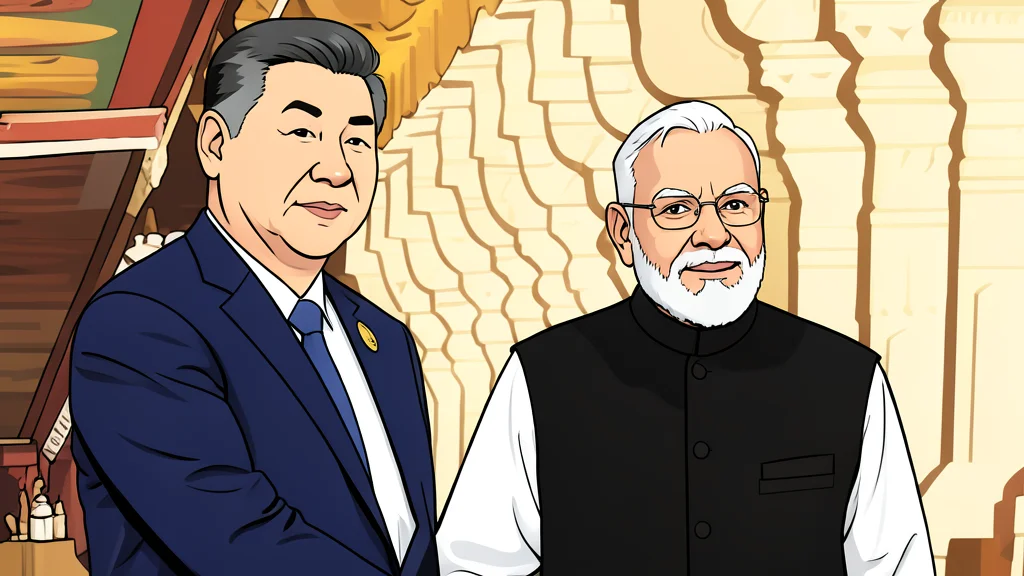
New Delhi and Beijing have signaled a shift toward de-escalation, with leaders meeting in India to discuss resolving long-standing boundary disputes and restoring direct air links.
Indian Prime Minister Narendra Modi and Chinese President Xi Jinping have pledged to work toward a resolution of their longstanding border dispute, emphasizing the need for peace and tranquility in the Himalayan region. According to statements released by both governments, the leaders expressed a commitment to finding a fair and mutually acceptable solution to the boundary question, marking a significant diplomatic engagement during Xi's first visit to India since 2019.
The meeting took place on the sidelines of a BRICS summit in New Delhi, where the two leaders stressed that their nations should act as partners rather than rivals. Bilateral relations had remained strained following a violent border clash in 2020 that resulted in casualties among troops from both countries, making this recent dialogue a notable step in stabilizing ties between the Asian neighbors.
Diplomatic Efforts to Stabilize Relations
Both the Indian External Affairs Ministry and the Chinese Foreign Ministry highlighted the leaders' shared view that economic and trade cooperation should be boosted by addressing mutual concerns, including structural trade imbalances. The diplomatic language used by both sides focused on seeking parallel and mutually reinforcing progress, suggesting a desire to move away from confrontation and toward structured dialogue on sensitive issues.
In the context of a changing international landscape, both leaders acknowledged the responsibilities of the world's two most populous nations. Modi pledged to promote world multipolarity and cooperation among Global South developing and emerging countries, while Xi emphasized the importance of maintaining stability in the region. This shared recognition of their global roles appears to be underpinning the renewed push for bilateral engagement.
Resuming Direct Air Connectivity
To promote people-to-people exchanges, President Xi emphasized the critical importance of restoring direct flights between the two countries. Media reports indicate that a flight route between Guangzhou and New Delhi is set to resume on September 21, ending a six-year hiatus caused by the pandemic. This restoration of air links is seen as a practical measure to enhance connectivity and facilitate cultural and commercial interactions between the populations of both nations.
Broader Context of Regional Cooperation
The discussions occurred against the backdrop of an expanded BRICS grouping, which includes members such as Brazil, Egypt, Ethiopia, Indonesia, Iran, Russia, Saudi Arabia, South Africa, and the United Arab Emirates. China is set to chair the organization's summit next year, further highlighting the growing significance of these multilateral forums. The recent engagement in New Delhi underscores a broader trend among major powers to seek cooperative frameworks that address shared geopolitical and economic challenges.
Looking ahead, observers will closely watch whether the diplomatic commitments made in New Delhi translate into tangible progress on the ground. The resumption of air services and continued dialogue on border management will serve as key indicators of the trajectory of India-China relations. As the two nations navigate their complex geopolitical landscape, the ability to maintain peace and foster cooperation remains a central focus for both governments.