Modi and Xi Seek De-Escalation on Himalayan Frontier
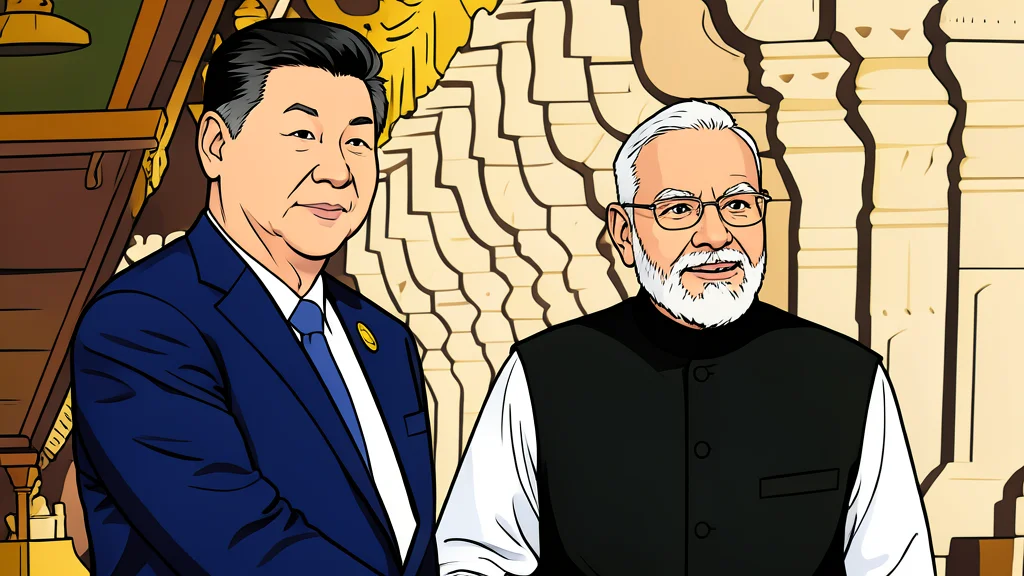
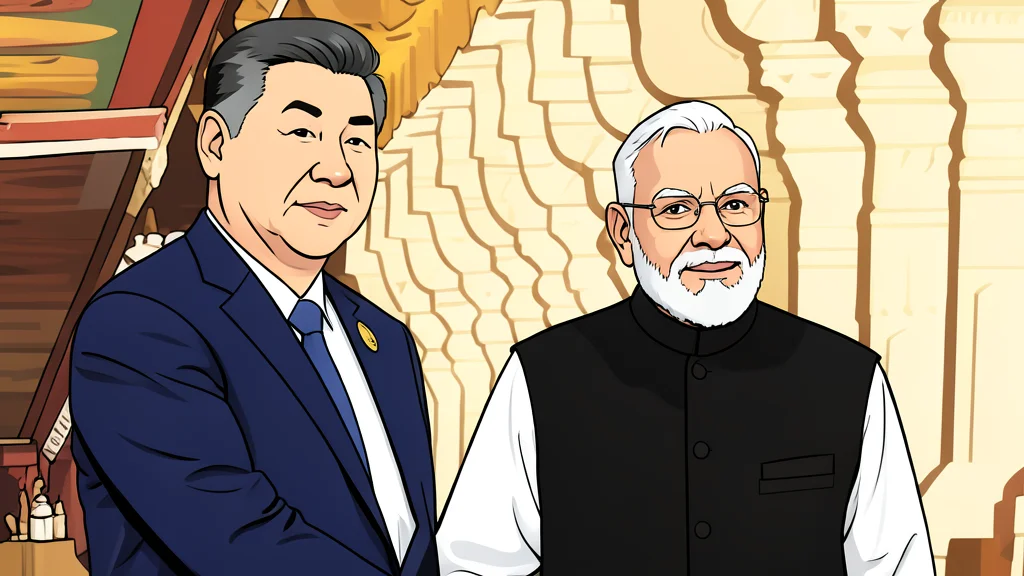
Indian and Chinese leaders reaffirmed their commitment to resolving long-standing border tensions during a high-level meeting in New Delhi, signaling a cautious effort to stabilize relations after years of friction.
Prime Minister Narendra Modi and President Xi Jinping have pledged to work toward a fair and mutually acceptable resolution of the boundary dispute between their two nations. According to official statements from both the Indian External Affairs Ministry and the Chinese Foreign Ministry, the leaders emphasized that maintaining peace and tranquility in the disputed Himalayan region is essential for stabilizing bilateral ties. This diplomatic engagement marks a significant moment in the relationship, which has remained strained since the violent confrontations in the Galwan Valley in 2020.
The meeting took place on the sidelines of the BRICS summit in New Delhi, coinciding with Xi Jinping’s first visit to India since 2019. Both sides expressed a shared view that the Asian neighbors should act as partners rather than rivals. They agreed to boost economic and trade cooperation by addressing mutual concerns, including structural trade imbalances that have long complicated commercial exchanges between the world’s two most populous countries.
Resuming Direct Air Connectivity
Beyond security matters, the discussions highlighted the importance of people-to-people exchanges. President Xi specifically emphasized the need to restore direct flight routes between the two nations. Media reports indicate that a direct flight route between Guangzhou and New Delhi is expected to resume on September 21. This move would end a six-year hiatus in direct air services, a gap largely attributed to the pandemic and subsequent diplomatic frictions.
Multipolarity and Global South Cooperation
The leaders also addressed their roles in the broader international landscape. Xi stated that China and India bear significant responsibilities in a changing and turbulent global environment. In response, Prime Minister Modi pledged to promote world multipolarity and foster greater cooperation among developing and emerging countries within the Global South. This alignment reflects a growing emphasis on collective agency among non-Western powers in shaping international norms and economic structures.
Looking Ahead to BRICS Leadership
The diplomatic overture occurs as China prepares to assume the chairmanship of the BRICS summit next year. The expanded group, which now includes Brazil, Egypt, Ethiopia, Indonesia, Iran, Russia, Saudi Arabia, South Africa, and the United Arab Emirates, serves as a key platform for these discussions. Analysts noted that the tone of the recent talks suggests a desire to manage differences without allowing them to dominate the agenda, particularly as the organization continues to expand its influence in global trade and finance.
According to GN geopolitics/border, the forward question now centers on whether these verbal commitments will translate into concrete diplomatic steps on the ground. Observers will be watching for changes in military deployments along the Line of Actual Control and the speed at which trade barriers are eased. The success of this diplomatic reset will likely depend on the ability of both governments to maintain momentum in the months ahead, balancing domestic political pressures with the broader goal of regional stability.