Oil Steadies Near $104 as Mideast Diplomacy Intensifies
Brent crude holds steady near $104 amid renewed US-Iran diplomatic talks and ongoing supply disruptions in the Strait of Hormuz.
Key points
- Brent crude stabilized near $104 per barrel after a three-day decline, reflecting a balance between supply risks and diplomatic hopes.
- Saudi Arabia issued air-raid alerts for Riyadh, while Aramco suspended crude allocations to Europe due to East-West pipeline damage.
- US-Iran diplomatic talks are progressing via Qatari mediation, with potential high-level meetings planned during the UN General Assembly.
Global oil markets have paused their recent decline, with Brent crude stabilizing near $104 per barrel following a three-day drop. This pause reflects a market caught between persistent supply risks in the Middle East and growing hopes for diplomatic de-escalation, according to reporting by Yahoo Finance Singapore. Traders are closely monitoring the balance between physical infrastructure threats and potential political breakthroughs that could alleviate pressure on energy shipments.
The stability comes after significant geopolitical tensions flared over the weekend, when Saudi Arabia issued air-raid alerts for Riyadh for the first time since the peak of the US-Iran conflict in March and April. Warnings were also issued in Red Sea hubs like Yanbu, highlighting the continued threat posed by Iran-backed Houthi groups. Despite these immediate security concerns, West Texas Intermediate remains below the $100 mark, suggesting that investors are weighing the potential for a negotiated end to hostilities against the reality of ongoing disruptions.
Diplomatic Channels Open Amidst Conflict
Efforts to resolve the US-Iran standoff have intensified, with President Donald Trump indicating he would "probably" be open to meeting Iranian President Masoud Pezeshkian on the sidelines of the United Nations General Assembly in New York. This potential dialogue adds a layer of uncertainty to the market, as any progress toward peace could signal a reduction in supply risks. Trump is also scheduled to hold a summit with Chinese President Xi Jinping and may engage with Persian Gulf nations, further complicating the geopolitical landscape that underpins current energy pricing.
Qatar’s Prime Minister, Sheikh Mohammed bin Abdulrahman Al-Thani, confirmed that messages are being passed between the two sides, reinforcing Doha’s role as a key mediator in the conflict. The Gulf state, like its neighbors, has faced missile attacks from Tehran, yet it continues to facilitate communication. This diplomatic activity stands in contrast to the military posture maintained by both Washington and Tehran, creating a volatile environment where news of back-channel talks can move markets as much as physical attacks on infrastructure.
Pipeline Damage and Supply Constraints
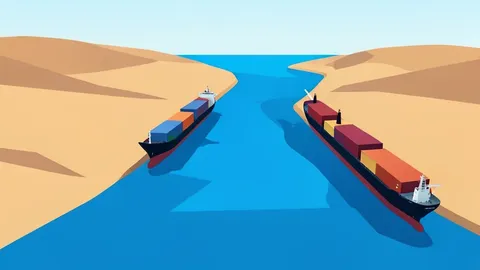
Physical supply disruptions remain a central driver of price volatility, particularly regarding the Strait of Hormuz, which serves as the vital artery connecting Gulf oil to global markets. US Central Command Admiral Brad Cooper noted that crude and liquefied natural gas flows through the waterway are at a six-month high, suggesting that while tensions are high, the chokepoint has not been fully closed. However, the risk of interruption remains a premium factor in pricing, as any significant blockage would have immediate and severe consequences for global energy security.
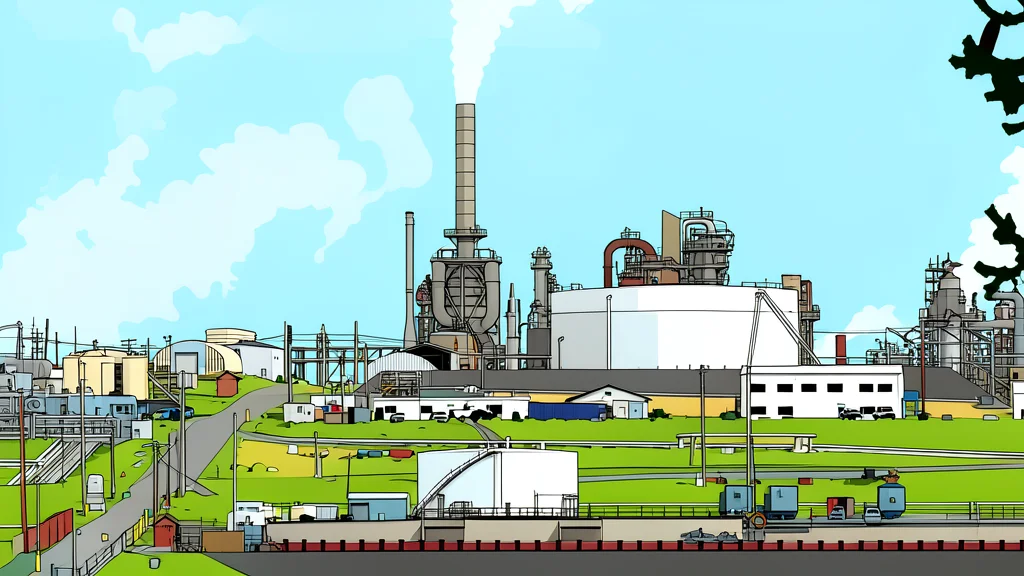
In Saudi Arabia, the East-West pipeline, which bypasses the Strait of Hormuz by running across the country to the Red Sea, has suffered damage from attacks earlier this month. Traders are watching for signs that Riyadh is making progress in restoring operations on this critical conduit. Saudi Aramco has already informed European refining customers that they will receive no crude under long-term agreements next month due to the interruption, a move that underscores the tangible impact of the conflict on commercial supply chains.
Broader Inflationary Pressures Emerge
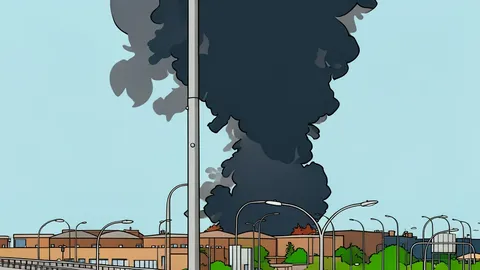
The energy crisis is not confined to the Middle East, as drone attacks on Russian energy infrastructure, including the Moscow Oil Refinery, have tightened fuel markets globally. These strikes, part of the largest overnight Ukrainian barrage this year, have particularly impacted diesel supplies, adding to the inflationary pressure caused by Middle East tensions. The combined effect of conflicts in both Europe and the Middle East is feeding into a broader global inflationary environment, complicating economic policy responses.
The Federal Reserve has acknowledged these pressures, with Minneapolis Fed President Neel Kashkari stating that inflation remains too high and that pressures have broadened beyond the initial oil-price shock. The central bank raised rates last week in response to these trends, signaling that energy-driven inflation is becoming a persistent macroeconomic challenge. As markets look ahead, the interplay between geopolitical risk, supply chain resilience, and monetary policy will likely determine the next phase of oil price movements.