Russia Duma Results Show United Russia Hits Record High
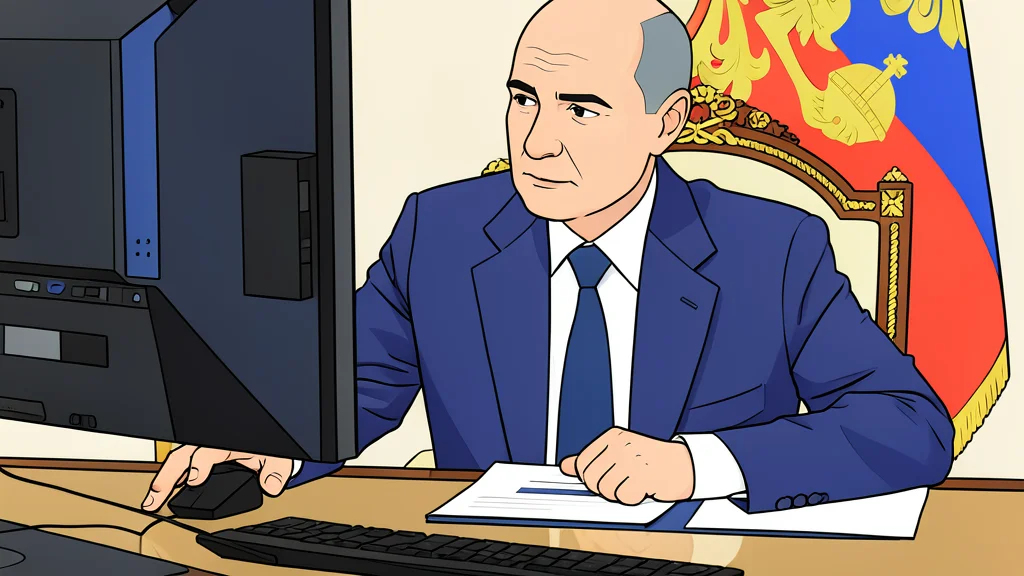
Official figures grant the ruling party a constitutional majority despite reports of widespread coercion and electronic manipulation.
Key points
- United Russia secured 355 out of 450 seats in the State Duma, achieving a constitutional majority according to official results.
- Analysts estimate that approximately 23 percentage points of the ruling party's vote share may have been rigged or coerced.
- Independent observers and opposition figures describe the election as the least competitive in modern Russian history due to the exclusion of rivals.
Official results from the recent parliamentary vote indicate that United Russia has secured a constitutional majority in the State Duma, reaching an all-time high of 355 seats. The tally places the ruling party well ahead of the Communist Party, which is listed as the runner-up with a significantly lower share of the vote. These figures have been released amid widespread criticism regarding the integrity of the process.
According to the Kyiv Independent, numerous observers and independent analysts have described this election as the least competitive in modern Russian history. The campaign period was characterized by the exclusion of genuine opposition parties, including moderate anti-war groups, and the absence of independent media coverage. This environment led experts to characterize the outcome as a procedural formality rather than a genuine expression of public will.
Observers cite unprecedented levels of coercion
Reports indicate that state resources were deployed extensively to influence the voting behavior of public-sector employees. Farida Rustamova, a Kremlin expert, noted that the political landscape had been thoroughly cleared of opposition voices before the vote took place. She argued that the lack of genuine competition rendered the process devoid of free choice, regardless of the official percentages reported by authorities.
Exiled politician Dmitry Gudkov suggested that the actual support for the ruling party is considerably lower than the official figures imply. He estimated that a significant portion of the recorded votes may have been fabricated or the result of state pressure. This perspective aligns with assessments from other opposition figures who argue that the primary objective was to ensure no unapproved individuals gained access to the legislative body.
Analysts dispute the validity of official numbers
Roman Udot, an election analyst and former co-chairman of a prominent vote monitoring group, provided a detailed estimate of the discrepancy between official and independent counts. He calculated that approximately 23 percentage points of the ruling party’s result may have been rigged, representing a substantial number of votes. This analysis highlights the extent to which state mechanisms were reportedly utilized to alter the final outcome.
Other commentators have taken a different approach to the data, arguing that interpreting the numbers as a reflection of voter sentiment is futile. Sergei Parkhomenko, a Russian columnist, stated that the administration simply fabricated the desired figures. This view suggests that the statistical output was predetermined, making traditional comparative analysis of the results ineffective for understanding public opinion.
Electronic systems and observer exclusion
The reliance on electronic voting platforms has drawn significant scrutiny from independent monitors. Evidence gathered over several election cycles suggests that these digital systems were manipulated to favor government-approved candidates. The exclusion of independent observers from polling stations nationwide further limited the ability to verify the accuracy of the counting process.
The combination of electronic manipulation and physical coercion creates a complex environment for democratic oversight. With independent media banned and opposition parties barred, the mechanisms for accountability have been largely removed from the public sphere. The forward question remains how international actors will respond to these developments and whether the resulting legislative composition will influence the trajectory of ongoing geopolitical conflicts.