Vietnam and US Report Trade Deal Near Final Signing
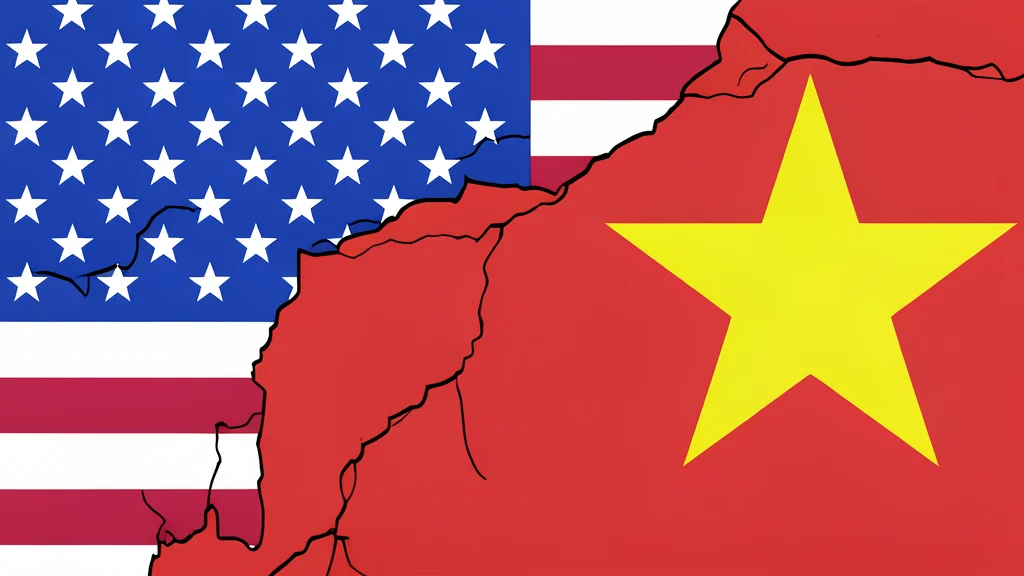
Hanoi and Washington are reportedly close to finalizing a reciprocal trade agreement after high-level talks in New York.
Key points
- Vietnamese President To Lam and U.S. Trade Representative Jamieson Greer reported substantial progress in trade talks in New York.
- The U.S. trade deficit with Vietnam reached $178.2 billion in 2025, a 44.3 percent increase over 2024.
- Key remaining disputes include U.S. concerns over transshipment of Chinese goods and market access for American firms.
Negotiations between Vietnam and the United States have reportedly reached a critical stage, with officials indicating that a final reciprocal trade deal is close to being signed. This development follows a meeting in New York between Vietnamese President To Lam and U.S. Trade Representative Jamieson Greer, where both sides acknowledged significant progress in their ongoing discussions.
According to state media reports, Greer described the talks as having made "substantial progress" and suggested that negotiators are very close to a final outcome. Lam expressed his administration's desire to continue advancing bilateral relations in a stable and sustainable manner, while also urging Washington to take a comprehensive approach to remaining trade issues.
Context of Recent Trade Tensions
The current negotiations are set against a backdrop of heightened trade friction. Vietnam has been subject to several Section 301 investigations by the U.S. Office of the U.S. Trade Representative (USTR), including probes into forced labor, excess manufacturing capacity, and intellectual property rights. These investigations were initiated after the U.S. Supreme Court struck down sweeping global tariffs previously imposed by the Trump administration.
Vietnam was among sixty nations threatened with tariffs of 10 to 12.5 percent in June due to alleged failures to address forced labor concerns. Earlier this year, the country faced a 46 percent tariff following the U.S. "liberation day" announcement, though a framework agreement signed in October lowered this rate by 20 percent.
Key Disputes Over Transshipment and Deficits
Despite the progress, several core issues remain unresolved. A primary point of contention is the U.S. concern regarding transshipment, which involves the alleged routing of Chinese goods through Vietnam to circumvent American tariffs. Washington has also raised concerns about market access for U.S. companies and the growing trade imbalance between the two nations.
According to the USTR, the U.S. goods trade deficit with Vietnam rose to $178.2 billion in 2025, marking a 44.3 percent increase over the previous year. This figure places Vietnam as the third-largest source of the U.S. trade deficit, following China and Mexico, and remains a central focus of the American administration's protectionist trade strategy.
Implications for Bilateral Economic Partnership
The conclusion of these talks is viewed as a potential catalyst for strengthening the Comprehensive Strategic Partnership established between the two countries in 2023. The Vietnamese government has stated that a finalized agreement would provide a stable, long-term framework for economic, trade, and investment ties, helping to mitigate the persistent friction that has characterized recent relations.
As reported by The Diplomat, the next phase of negotiations will likely focus on resolving the outstanding Section 301 issues and securing commitments on market access. Observers will be watching for official confirmation of the deal's signing and any subsequent adjustments to tariff rates that may follow the finalization of the agreement.