India Hosts International Forum on Climate Justice and Governance
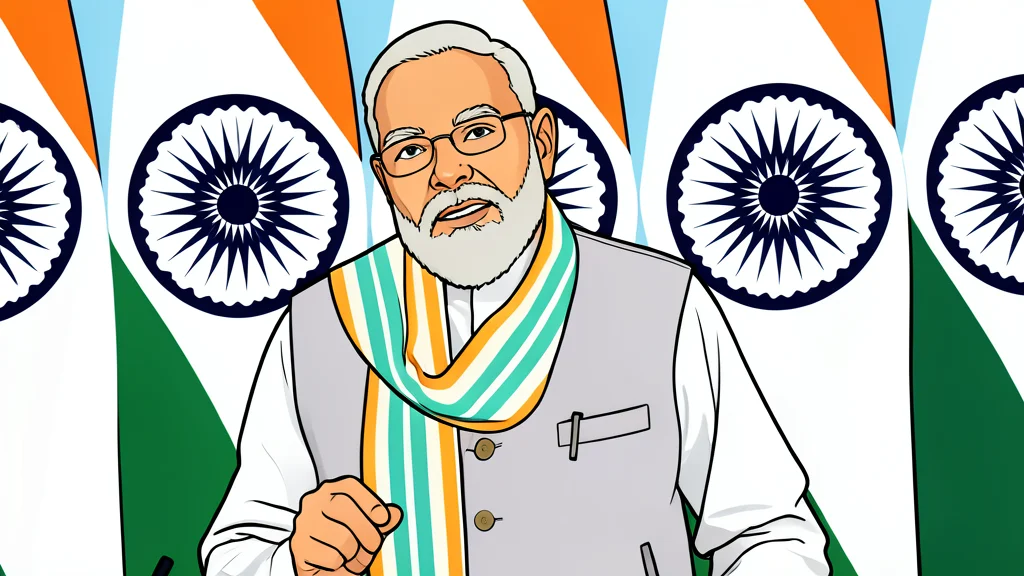
New Delhi prepares to host a significant gathering of judicial and scientific minds as Prime Minister Narendra Modi is set to inaugurate a two-day conference addressing the evolving landscape of environmental law and climate dynamics.
Prime Minister Narendra Modi is scheduled to inaugurate a two-day international conference focused on the future of environment and climate dynamics at Vigyan Bhawan in New Delhi. According to a release from the Prime Minister’s Office, the event begins on September 19 and will serve as a platform for high-level discourse among judicial representatives, government officials, and environmental experts. The gathering underscores a growing recognition that ecological challenges require coordinated responses that transcend traditional administrative boundaries.
Organized by the National Green Tribunal, the conference aims to bridge gaps in policy formulation and enforcement by bringing together diverse stakeholders. Participants will include judges from the Supreme Court and High Courts, as well as representatives from State Judicial Academies and environmental appraisal committees. The primary objective is to foster a common dialogue that integrates judicial, scientific, and administrative perspectives to address complex ecological concerns.
Global Judicial Perspectives Converge
The international dimension of the event is highlighted by the expected participation of eminent judges and judicial representatives from 17 countries. According to GN geopolitics/climate (en-US), this broad representation facilitates the exchange of judicial approaches and institutional experiences across different legal jurisdictions. By sharing methodologies for environmental adjudication, the conference seeks to enhance cooperation in addressing cross-border ecological issues that often fall outside the scope of single-nation policies.
The presence of these international figures allows for a comparative analysis of how different legal systems handle environmental protection and resource conservation. This exchange is particularly relevant as climate change impacts become more localized yet globally interconnected. The discussions are intended to strengthen institutional mechanisms that can effectively manage disputes related to pollution, waste management, and the conservation of natural resources.
Strengthening Environmental Governance Frameworks
The conference addresses the need for robust coordination among various governmental and regulatory bodies. As noted in the event's objectives, there is a critical focus on identifying and closing gaps in the implementation of environmental safeguards. The dialogue will explore how to align the efforts of Secretaries from Union ministries, State Environment Impact Assessment Authorities, and Wetland Authorities to create a more cohesive regulatory environment.
The National Green Tribunal, established under the 2010 Act, has played a pivotal role in handling cases related to environmental protection and forest conservation. The upcoming discussions aim to build upon this foundation by integrating scientific knowledge with legal enforcement. This holistic approach is designed to ensure that regulatory actions are not only legally sound but also scientifically informed, thereby improving the efficacy of environmental governance.
Forward Focus on Institutional Cooperation
As the conference progresses, attention will turn to the practical outcomes of these high-level discussions. The forward question remains how effectively the insights gained from this global exchange can be translated into actionable policy changes. Observers will watch for commitments to enhanced data sharing, joint enforcement mechanisms, and the development of standardized frameworks for environmental impact assessment.
The success of this initiative will depend on the sustained engagement of all participating stakeholders in the days and weeks following the event. By establishing a precedent for international judicial cooperation on climate matters, India is positioning itself as a key player in shaping the future of environmental law. The next steps will likely involve the formation of working groups to address specific gaps identified during the two-day session.