Ukraine Says Russia Withdrew Elite Drone Unit from Northern Front
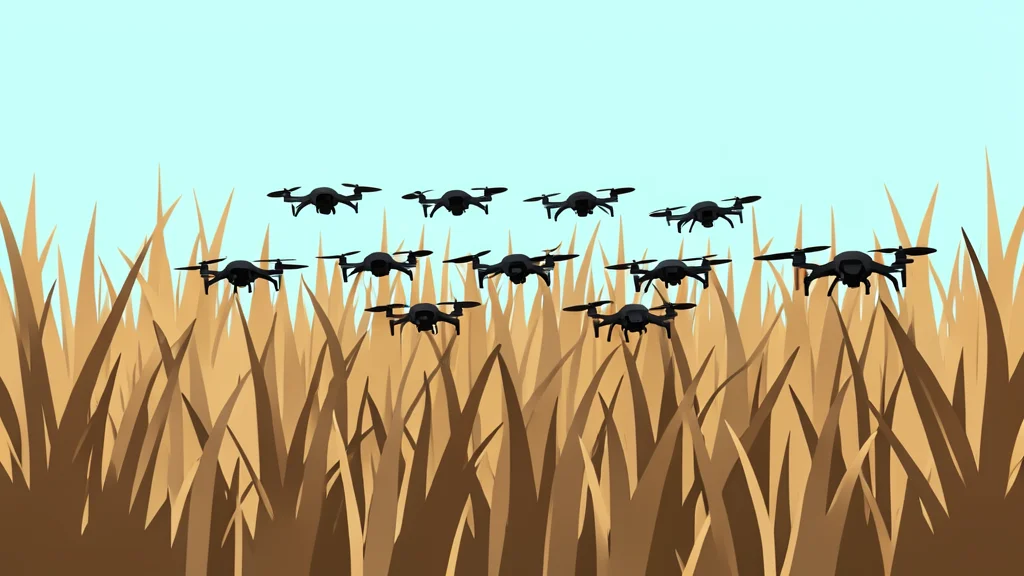
Ukrainian military officials report that Russia has pulled back its specialized Rubicon drone formation from the Lyman sector following significant attrition during recent offensive operations.
Ukrainian military officials state that Russia has withdrawn elements of its elite Rubicon drone unit from the front lines in northern Donetsk Oblast. The 3rd Army Corps indicated on September 18 that the pullback follows heavy losses sustained during Operation Vivaldi, an offensive that has targeted Russian logistics and command structures in the sector.
According to the corps, Ukrainian forces disrupted the Rubicon unit's command systems, destroying logistics hubs, ammunition depots, and drone launch sites. This sustained pressure reportedly stripped the Russian formation of its ability to rapidly replenish trained personnel and technical resources, forcing a strategic retreat from the area.
Attrition in specialized drone warfare
The Rubicon Center for Advanced Unmanned Technologies serves as the core of Russia’s new Unmanned Systems branch. The unit specializes in intercepting high-value reconnaissance drones and hunting enemy teams on the ground. When deployed, these detachments significantly deepen the kill zone for opposing forces, creating a dynamic similar to counter-battery fire in conventional artillery warfare.
Oleksandr Borodin, spokesperson for the 3rd Corps, told the Kyiv Independent that the Rubicon contingent was systematically attrited during the lead-up to and early stages of Operation Vivaldi. He noted that most specialized drone units in the area suffered significant losses in qualified personnel and material resources, leading to a rapid decline in their combat potential.
Operational shifts in the Lyman sector
Operation Vivaldi was officially announced on September 15, though open-source intelligence researchers had tracked Ukrainian attacks in the region since late spring. The 3rd Corps reported clearing 75 square kilometers of Russian infiltrators and liberating an additional 10 square kilometers during the first phase of the operation.
While further details remain undisclosed for operational security, Russian military bloggers report that Ukrainian forces have pushed back to the Zherebets River. This movement potentially reverses over 18 months of steady Russian advances in the region. On September 17, Corps Commander Andrii Biletskyi stated that the northern pincer of Russia’s attempt to surround Ukrainian positions in Donetsk Oblast had been routed.
Monitoring the next strategic moves
The withdrawal of the Rubicon unit suggests a significant shift in the balance of power within the sector. Observers will now watch how Russia reallocates its remaining unmanned assets and whether Ukrainian forces can maintain momentum in the northern Donetsk region. The effectiveness of this counter-drone strategy will likely determine the pace of further territorial changes in the coming weeks.