India-Japan Air Drills Mark First Japanese Jets on Indian Soil
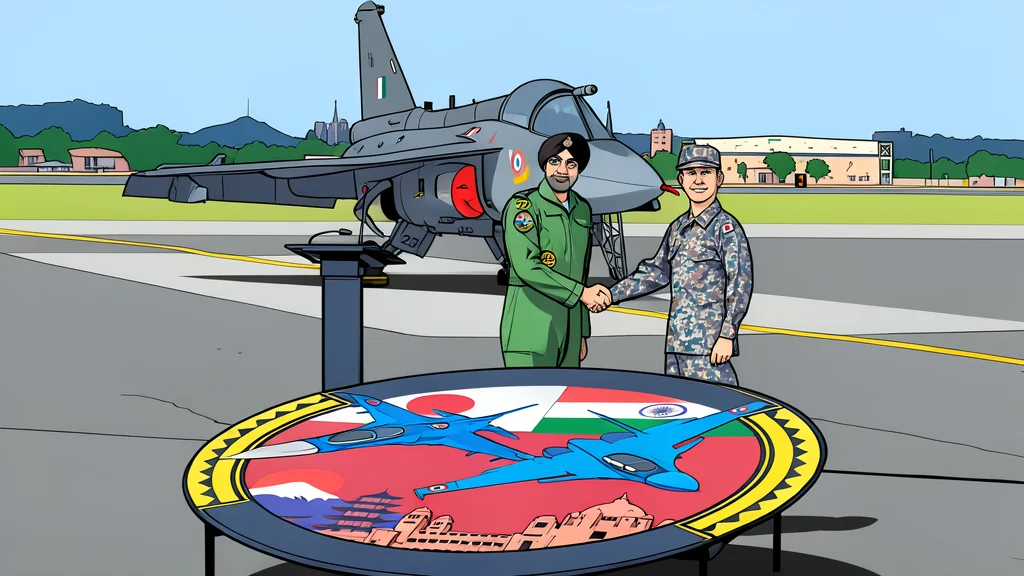
Exercise Veer Guardian concludes with historic interoperability milestones between the Indian Air Force and Japan's self-defense forces.
Key points
- Japanese fighter jets operated from Indian soil for the first time during Exercise Veer Guardian 2026.
- The two nations signed their first joint defense equipment project in 2024 to co-develop the UNICORN mast system.
- Defense ministers recently signed a memorandum on maritime security, focusing on domain awareness and disaster relief.
The conclusion of Exercise Veer Guardian 2026 marks a pivotal moment in the evolving defense relationship between New Delhi and Tokyo. According to The Times of India, the successful joint air drills have transformed routine military exchanges into a comprehensive strategic partnership spanning operational cooperation and emerging technologies.
A significant milestone was achieved when Japanese fighter aircraft operated from Indian soil for the first time. This development underscores the deepening trust and interoperability between the Indian Air Force and the Japan Air Self-Defense Force, both of which share overlapping concerns regarding regional security in the Indo-Pacific.
Historic flight operations showcase mutual trust
The exercise featured high-profile participation from top military leaders, symbolizing the growing appreciation for each other’s capabilities. JASDF Chief General Takehiro Morita flew a sortie in India’s indigenous Tejas Light Combat Aircraft, describing it as a symbol of technological innovation. Meanwhile, Air Chief Marshal AP Singh led a Tejas formation flight, demonstrating the operational maturity of the platform.
Broadening scope of bilateral defense ties
Air Chief Marshal Singh described Japan as an "Apatsu Mitram," or friend in times of crisis, reflecting the depth of strategic trust now underpinning bilateral ties. As Quad members, both nations are committed to a free and open Indo-Pacific, a stance that has translated into deeper cooperation across all three military services beyond just air force engagements.
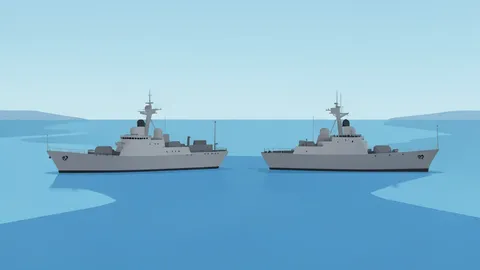
This military convergence is supported by a robust framework of agreements covering equipment transfers and logistics support. In 2024, the two countries signed their first joint defense equipment project to co-develop the UNICORN mast system for the Indian Navy, a move that integrates radar and communication antennas to reduce a warship’s radar signature.
Future cooperation in maritime and aviation
Recent diplomatic engagements have further accelerated this trajectory, with Japanese Defence Minister Shinjiro Koizumi and Indian Defence Minister Rajnath Singh signing a Memorandum of Arrangement on maritime security. The agreement focuses on maritime domain awareness and disaster relief, while discussions have also touched on mine countermeasures and reciprocal ship repair facilities.
Looking ahead, dialogue has extended into next-generation technologies, including potential Indian participation in Japan’s Global Combat Air Programme. This sixth-generation fighter initiative remains in the exploration phase, yet it highlights the broadening horizon of technical collaboration between the two nations in a rapidly changing security environment.