India Links Climate Action to Civilisational Ethos
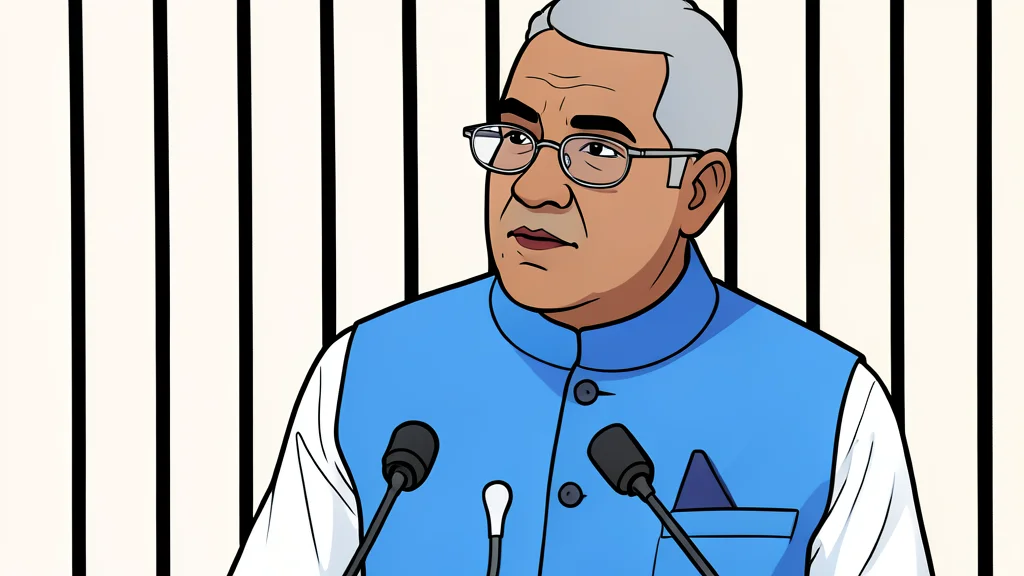
Union Environment Minister Bhupender Yadav outlined India's ambitious renewable energy targets and wildlife conservation gains at the National Green Tribunal conference in New Delhi.
New Delhi, September 19 — India’s Union Minister of Environment, Forest and Climate Change, Bhupender Yadav, framed the nation’s environmental strategy as a matter of civilisational duty rather than merely a policy choice. Speaking at the International Conference on The Future of Environment and Climate Dynamics, he argued that the dichotomy between development and ecological preservation is a false one. According to Yadav, the real choice lies between sustainable development and a path that ultimately cannot be sustained. He emphasized that modern ecological challenges transcend national borders, requiring a collaborative approach among judges, policymakers, scientists, and practitioners.
The minister highlighted that India’s environmental responsibility is rooted in a view of the Earth as a shared inheritance and a sacred trust. This perspective, he noted, drives the country's current trajectory, which seeks to balance rapid economic growth with rigorous ecological stewardship. The conference, hosted in New Delhi, served as a platform to articulate how legal frameworks and international cooperation are essential to addressing these transboundary issues.
Renewable energy targets defined
Yadav detailed India’s specific climate roadmap, citing targets that aim to significantly reduce the carbon footprint of the economy. According to the minister, the nation is working toward achieving 500 gigawatts of non-fossil fuel energy capacity by 2030. Additionally, India aims to reduce the emissions intensity of its GDP by 45 percent from 2005 levels, with a long-term goal of reaching net-zero emissions by 2070. These figures were presented as evidence that India is translating its international commitments into concrete operational goals.
Progress in this sector is already evident in the energy mix. Non-fossil fuel sources now account for more than half of India’s installed electricity capacity, positioning the country as a leading player in global renewable energy expansion. This shift underscores a broader strategic pivot away from traditional fossil fuels, aligning domestic energy policies with global climate objectives.
Wildlife conservation metrics improve
Beyond energy, the minister reported significant advancements in wildlife protection efforts. Yadav noted robust growth in the populations of key species, including tigers, lions, and elephants. He emphasized that conservation is not merely about protecting individual animals but safeguarding the delicate web of life that sustains ecosystems. Dedicated measures are also being intensified for threatened species such as vultures and the Great Indian Bustard, indicating a broadened scope for biodiversity protection.
A recent development highlighted in the address was the birth of four new cheetah cubs, which the minister described as a positive milestone in the country’s reintroduction and conservation programs. This success story was used to illustrate the tangible results of sustained ecological management and the importance of preserving natural habitats.
Judicial perspective on climate justice
Echoing the minister’s themes, National Green Tribunal Chairperson Justice Prakash Shrivastava stressed that environmental stewardship is a collective global responsibility rather than the burden of any single sector. According to Justice Shrivastava, climate change is altering ecosystems, economies, and human habitation, while biodiversity faces increasing pressure. He pointed out that the consequences of environmental degradation are often borne disproportionately by those least responsible for causing it, a dynamic that demands urgent legal and institutional responses.
The conference, as reported by GN geopolitics/climate (en-US), focused on climate justice, environmental law, and planetary challenges. Justice Shrivastava cited several transformative Indian initiatives, including the Swachh Bharat Mission and the National Green Hydrogen Mission, as examples of a vision for a cleaner, greener, and more resilient future. He posed a critical forward-looking question regarding what kind of planet will be left for the next generation, urging appropriate social and legal frameworks to address these pressing issues.