Taiwan Conducts Drone Drills Ahead of US-China Summit
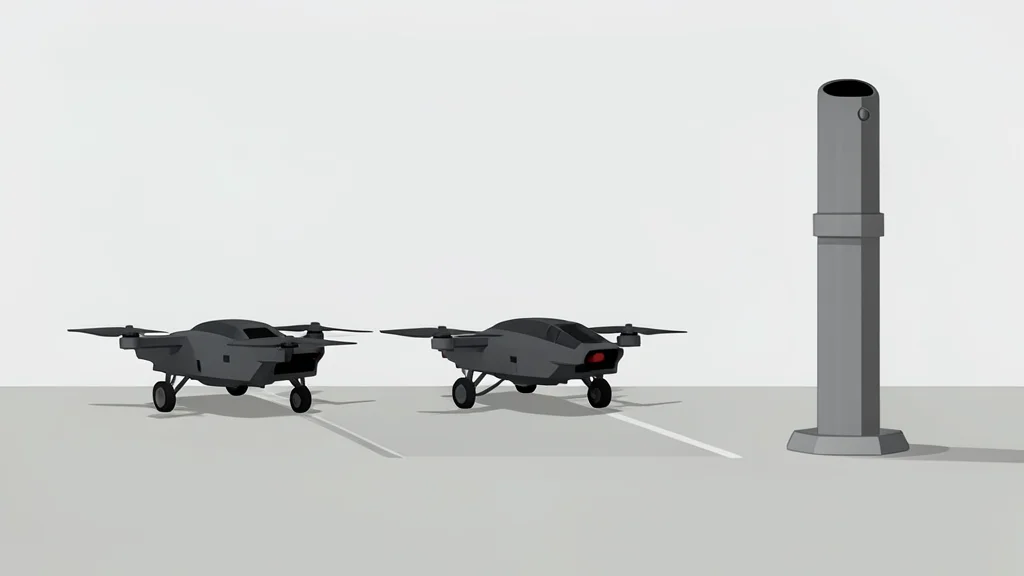
Taiwan has intensified its military preparations with new unmanned aerial vehicle exercises, a move that underscores the high-stakes diplomatic environment surrounding the upcoming meeting between Donald Trump and Xi Jinping.
Taiwan held missile and drone exercises on Friday, a strategic display that occurred days before the scheduled summit between United States President Donald Trump and Chinese President Xi Jinping. The drills, which took place in southern Pingtung county, marked a significant step in the island's defense modernization, specifically featuring the first joint combat operations involving multiple types of attack drones. According to reports from the GN auto geopolitics/asia-pacific: Taiwan tensions desk, these maneuvers are seen as a direct signal of Taipei's intent to adapt to evolving warfare threats while Beijing maintains its claim that Taiwan is a breakaway province.
President Lai Ching-te emphasized that the coordinated use of unmanned vehicles alongside conventional weapons reflects a necessary adaptation to modern conflict. The military also fired anti-air, anti-ship, and anti-landing missiles during the session. These actions highlight a broader trend of increased military spending and a growing reliance on advanced technology to bolster the island's defensive posture, even as cross-strait tensions remain a sensitive and volatile issue in international relations.
Diplomatic stakes rise before summit
The timing of these exercises is not coincidental, as it precedes the first face-to-face meeting between Trump and Xi since May. Scheduled for September 24, the summit is expected to address the future of the self-ruled island and the status of US arms sales to Taiwan. Beijing has reportedly pressed Washington to take a stronger stance against any moves toward Taiwanese independence, creating a complex diplomatic landscape where military capability and political negotiation are inextricably linked.
US arms sales have become a central point of contention between the two powers. Following their last summit in May, President Trump postponed a planned $14 billion arms package, describing such sales as a valuable negotiating chip with China. This decision has raised doubts among some observers about the consistency of US commitment to the island's defense, particularly given that US law requires the government to provide the means for Taiwan to defend itself against external threats.
Modernization of defense capabilities
Taiwan's military strategy is increasingly focused on integrating advanced technology into its defense framework. The recent drills showcased the operational readiness of newly acquired systems, including US-made HIMARS rocket systems and Stinger missile simulators, which are set to be used in further exercises next week. This shift toward unmanned and precision-guided weaponry suggests a move away from traditional static defense models toward a more agile and technologically integrated force capable of responding to diverse threat scenarios.
The inclusion of joint combat exercises for different drone types signifies a maturing doctrine that values coordination and multi-domain operations. While specific details regarding the types of drones tested were not disclosed, the emphasis on their integration with conventional weapons indicates a comprehensive approach to national defense. This evolution is part of a broader effort to ensure that the island's military remains effective in the face of potential hybrid threats and rapid escalation scenarios.
Forward-looking security considerations
As the summit approaches, the focus shifts to how these military developments will influence diplomatic outcomes. The continued preparation and public demonstration of military capabilities serve as both a deterrent and a statement of resolve. Observers are watching closely to see if the upcoming dialogue will result in a stabilization of cross-strait relations or if it will further entrench the existing geopolitical divisions. The interplay between military readiness and diplomatic negotiation remains the defining feature of the current strategic environment in the region.