Uyghur Activist Faces Pressure in Argentina
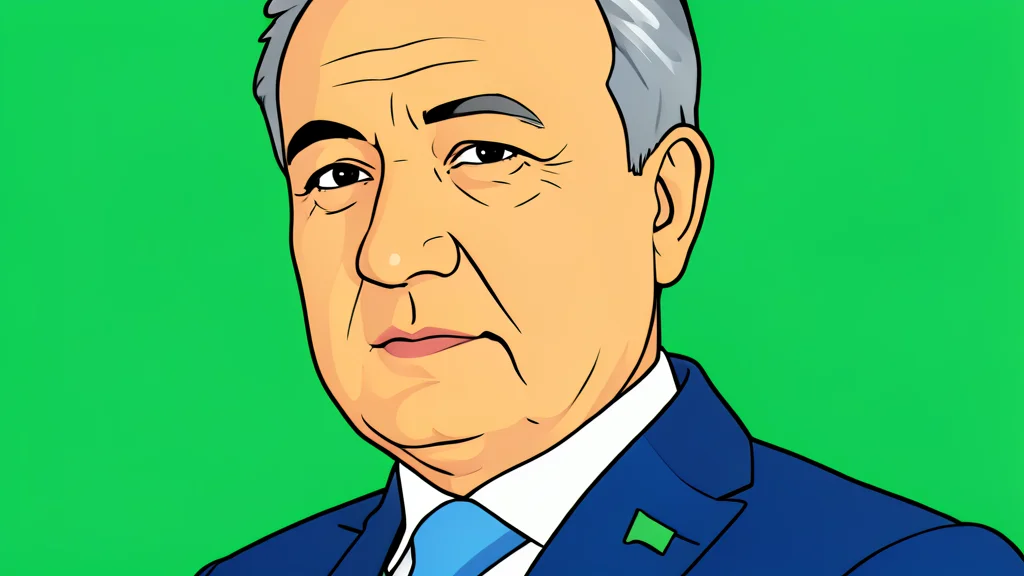
Dolkun Isa describes diplomatic interference during his visit to Buenos Aires, highlighting the growing tension between human rights advocacy and state influence in Latin America.
Dolkun Isa, a leading voice for Uyghur rights, recently arrived in Buenos Aires for a human rights conference and to accept an award on behalf of a detained colleague. His visit was marked by what he describes as direct diplomatic pressure from Beijing, culminating in the cancellation of a scheduled speech at the Buenos Aires City Legislature. According to Isa, the event was moved to a different venue after Chinese authorities intervened through official channels, a move he characterizes as part of a broader strategy of transnational repression against diaspora communities.
The situation has drawn attention to Argentina’s role in international legal proceedings related to Xinjiang. Isa, who heads the World Centre for Democracy and Human Rights, argues that Argentina’s courts represent one of the few remaining avenues for victims seeking justice under universal jurisdiction principles. While Beijing consistently rejects allegations of genocide or systematic abuse, citing counter-terrorism measures, Isa contends that these policies have extended their reach far beyond China’s borders, impacting activists and families worldwide.
Diplomatic Tensions in Latin America
Isa’s experience in Buenos Aires is not an isolated incident but part of a pattern he has observed over four visits to the region. In previous years, his trips were linked to the submission of criminal complaints under universal jurisdiction laws. He notes that while no visible disruptions occurred during earlier visits, the current incident suggests an escalation in Beijing’s efforts to influence foreign policy and public discourse. According to reports, the Chinese government maintains close watch over the movements of Uyghur activists, seeking to prevent them from accessing international platforms where they can raise awareness about conditions in Xinjiang.
The pressure extends beyond mere cancellation of events. Isa alleges that Chinese diplomatic missions engage in sustained campaigns to discredit opponents and deter host nations from hosting critical voices. This approach reflects a wider geopolitical strategy where economic and political leverage is used to shape narratives in favor of state interests. For Argentina, this presents a complex challenge in balancing its diplomatic relations with China against its commitments to human rights and international law.
Legal Avenues for Justice
The legal case in Argentina is central to Isa’s advocacy efforts. The proceedings seek to investigate allegations of crimes against humanity and genocide in Xinjiang, providing a platform for victims who have limited options within China’s legal system. Isa emphasizes that the use of universal jurisdiction is a critical tool for holding state actors accountable for actions committed abroad. He argues that by pursuing these cases in foreign courts, the international community can uphold fundamental human rights standards and ensure that justice is not denied due to political power dynamics.
However, the path to justice is fraught with challenges. The complexity of gathering evidence, the political sensitivity of the issues, and the potential for diplomatic backlash all pose significant obstacles. Despite these hurdles, Isa remains steadfast in his belief that legal action in Argentina could set a precedent for other nations to follow. He sees this as a crucial step in the broader struggle for Uyghur rights and a testament to the resilience of activists who continue to speak out despite the risks involved.
Future Watchpoints for Advocates
As the legal proceedings in Argentina continue, the outcome will likely have significant implications for the Uyghur diaspora and international human rights law. Observers will closely monitor any further diplomatic moves by China, including potential economic or political consequences for Argentina. The response of other countries to these developments will also be indicative of the global stance on transnational repression and the willingness of states to support independent judicial processes.
In the coming months, the focus will remain on the progress of the court case and any new evidence presented. Additionally, the reactions from international human rights organizations and foreign governments will provide insight into the broader geopolitical context. For now, the situation underscores the ongoing struggle between state power and individual rights, a battle that continues to unfold in courts and diplomatic arenas around the world.