Indigenous Leaders Reject UN Security Council Bid over Justice Gaps
Aboriginal and Torres Strait Islander leaders criticize Australia's UN campaign, citing persistent failures in child justice and human rights compliance.
Key points
- Indigenous leaders criticize Australia's UN Security Council bid due to persistent overrepresentation of Indigenous children in youth justice.
- Critics argue the government should redirect campaign funds to community-led child protection and education programs.
- The UN issued an urgent action notice in May regarding the treatment of Aboriginal children, which critics say remains unaddressed.
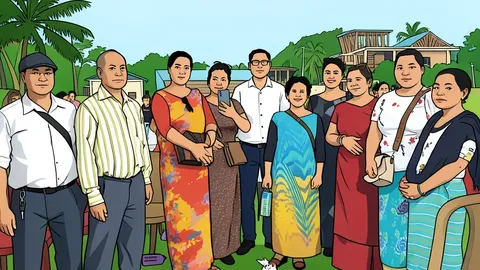
Australia’s campaign to secure a temporary seat on the United Nations Security Council has faced sharp pushback from Indigenous leaders. They argue that the federal government’s international advocacy rings hollow while Aboriginal and Torres Strait Islander children remain disproportionately represented in the youth justice system.
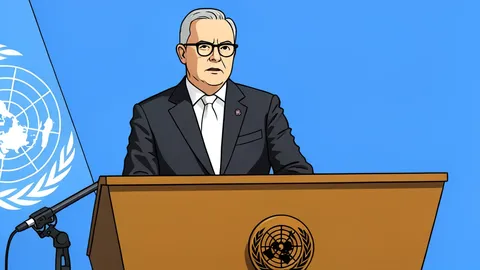
Prime Minister Anthony Albanese launched the bid in New York with a video featuring Indigenous Australians Minister Malarndirri McCarthy. However, critics say this promotion of Australia’s heritage contradicts recent UN warnings about the treatment of Indigenous children in justice and education systems.
Criticism of federal responsibility
According to Mililma May, campaigns and advocacy manager at Change the Record, the government should prioritize domestic issues before seeking international roles. She stated that the federal government needs to redirect resources toward community-led solutions for child protection rather than pursuing a diplomatic seat.
May emphasized that the funds and energy allocated to the UN campaign should instead be invested in therapeutic care models, stable housing, and quality education. This shift, she argued, is necessary to address the immediate needs of Indigenous communities.
Legal gaps and credibility concerns
Hannah McGlade, a human rights researcher, expressed concern over the government’s awareness of UN recommendations. She noted that the Committee on the Elimination of Racial Discrimination issued an urgent action notice in May, yet the Prime Minister reportedly claimed unawareness of these specific concerns.
McGlade pointed to the failure to raise the age of criminal responsibility to 14, as advised by the UN. She argued that allowing children as young as 10 to be prosecuted under federal law undermines Australia’s credibility on the world stage.
Structural human rights deficiencies
Aboriginal and Torres Strait Islander Social Justice Commissioner Katie Kiss highlighted significant compliance gaps in Australia’s human rights framework. She noted that Australia lacks a federal Human Rights Act and has not fully implemented the UN Declaration on the Rights of Indigenous Peoples.
Kiss described the situation as ironic, given that Australia promotes its Indigenous heritage internationally. She stated that the country stands alone among Western democracies in these structural shortcomings, which conflict with its desire for a Security Council role.