Kazakhstan Sentences Five Activists for Alleged Plot to Seize Power

Five men in Almaty have been convicted of attempting to overthrow the government, a ruling that human rights groups view as part of a broader pattern of silencing political dissent through closed-door trials.
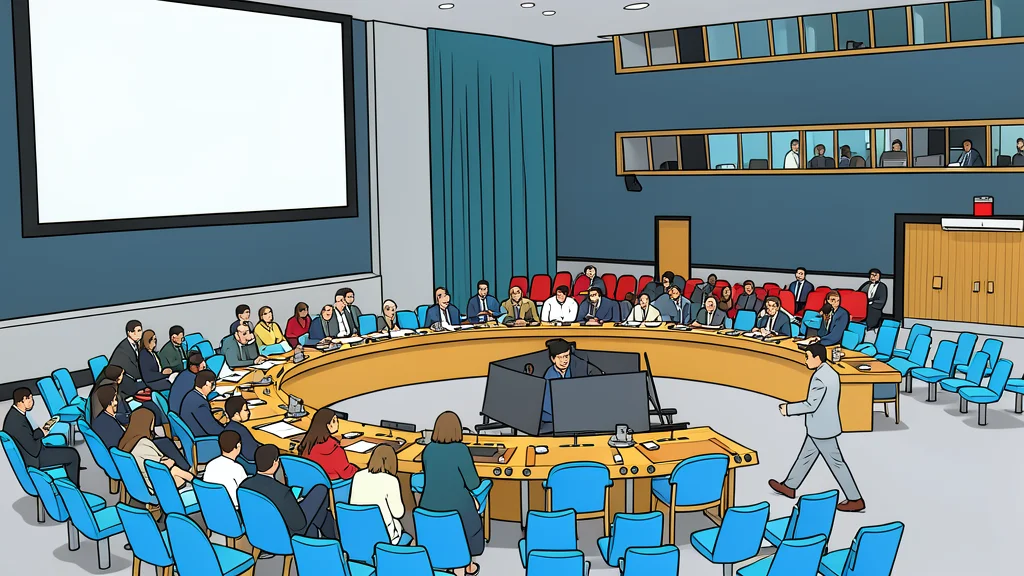
In a recent verdict delivered in Almaty, a court sentenced five men to prison terms ranging from five to five and a half years. The convictions stem from charges alleging that the group attempted to seize control of the Kazakh government and organize mass unrest against state authorities last year. According to the court, the defendants were found guilty of advocating for violent seizure of power and plotting an assault on Akorda, the presidential residence.
The proceedings were conducted behind closed doors, limiting public access to the evidence and testimony presented. However, the case has drawn significant attention from civil society groups and legal observers. These organizations argue that the verdict is not an isolated incident but rather part of a consistent strategy employed by the Kazakh state to manage and suppress opposition figures, particularly those with a history of participation in civil protests.
Accusations of Provocation and Coercion
Defense attorneys for the convicted men have challenged the integrity of the evidence, claiming their clients were ordinary citizens rather than organized conspirators. Zhanara Balgabaeva, a lawyer representing one of the defendants, stated to RFE/RL that security forces allegedly used provocateurs who pretended to share the activists' views. According to her account, these individuals provoked the men into engaging in destructive conversations and activities of which the defendants were unaware.
Two of the convicted, Kaisar Ozbek and Talgat Ashirov, faced additional charges for illegally acquiring and storing explosives. These specific allegations led the state prosecutor to request harsher sentences of eight years each. Despite these severe charges, all five men, who are aged between 56 and 62, pleaded not guilty to all counts when the trial began in February. The defense maintains that the actions attributed to them were the result of external manipulation rather than genuine intent to destabilize the state.
A Pattern of Judicial Measures
This latest ruling continues a trend of legal actions targeting activists in Kazakhstan. Since 2024, at least 17 individuals have been imprisoned on similar charges of inciting mass unrest or attempting to seize power. The Kazakhstan International Bureau of Human Rights and Rule of Law has questioned the neutrality of the judicial system in response to these developments. They suspect these cases serve as a tactic to silence political adversaries and maintain strict control over the public sphere.
Previous high-profile cases illustrate the nature of these charges. One widely cited instance, known as the "tractor case," involved seven activists accused of planning to drive a tractor into Akorda in 2022 to cause unrest. Another case last year resulted in sentences for five activists accused of organizing unrest related to a 2024 referendum on nuclear power. In both instances, defendants of retirement age were accused of planning mass disturbances, a pattern repeated in the current trial.
Concerns Over Transparency and Precedent
Legal experts have criticized the decision to hold the trial in non-public sessions, citing concerns regarding the rule of law. Balgabaeva argued that the courts appear to prioritize quick shutdowns of opposition over transparency. She noted that in previous cases, such as the tractor trial, the defense successfully argued that evidence obtained through provocations should not be admissible. She expressed concern that the same issues are being ignored in the current proceedings.
According to GN geopolitics/rights (en-US), the forward question remains how the international community will respond to these recurring judicial actions. Observers will likely watch for further appeals in this case and monitor whether similar charges are applied to other civil society leaders. The consistency of these verdicts suggests that without significant external pressure or internal legal reform, the scope of political dissent in Kazakhstan may continue to narrow through the judicial system.