Modi and Putin Share Fourth Car Ride During BRICS Summit in Delhi
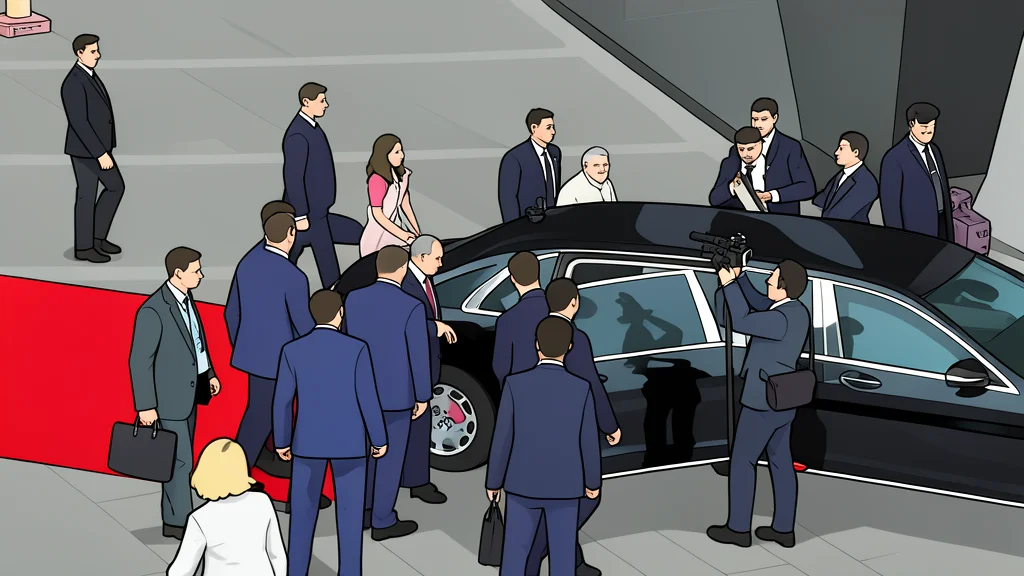
The Indian and Russian leaders traveled together to the Bharat Mandapam exhibition, marking a repeat of a symbolic gesture seen in Bishkek and Tianjin.
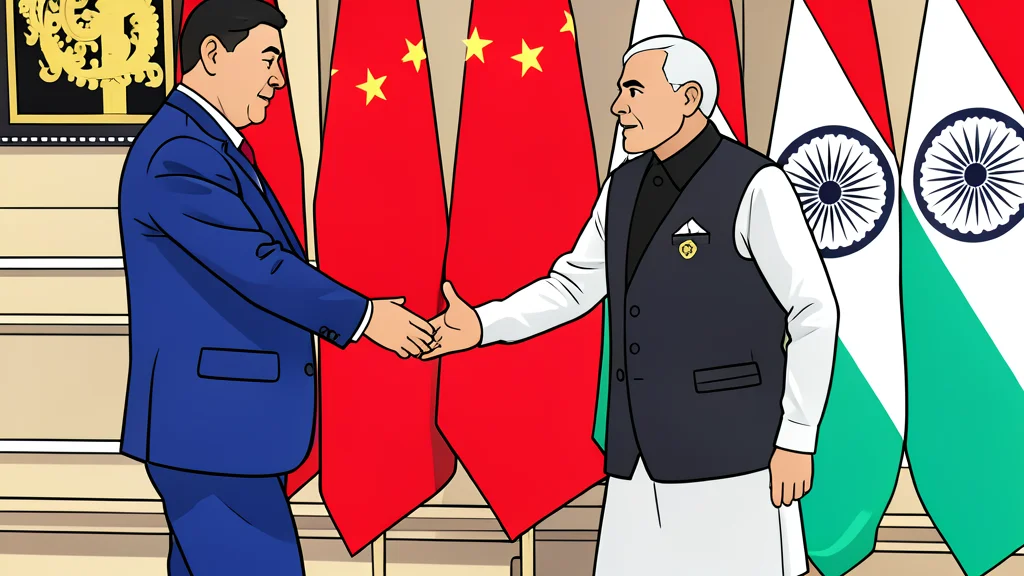
Prime Minister Narendra Modi and President Vladimir Putin shared a car ride in New Delhi on Friday, a symbolic gesture that has become a recurring motif in their diplomatic interactions. The two leaders traveled together to the Bharat Mandapam convention center ahead of the BRICS Summit, marking the fourth time they have engaged in this form of informal mobility. This latest instance follows similar rides in Bishkek earlier this month and in Tianjin last year, suggesting a deliberate pattern of personal rapport building amidst formal state affairs.
According to reports from GN geopolitics/diplo, the joint journey served as a bridge between their bilateral talks and the subsequent multilateral sessions. The meeting itself lasted approximately 45 minutes, during which the leaders reviewed the state of the India-Russia strategic partnership. Discussions covered a broad spectrum of cooperation, including defense, energy, space, and economic ties, while also addressing regional security concerns in West Asia and the Black Sea region.
A Consistent Pattern of Bilateral Mobility
The decision to share a vehicle appears to be a calculated element of their diplomatic choreography. In the most recent prior instance in Bishkek, the leaders rode together following their SCO Summit meeting. Before that, in Tianjin, Putin reportedly offered Modi a ride in his Aurus limousine, leading to a private conversation that lasted nearly an hour. This consistency in behavior, noted by observers, signals a level of comfort and mutual respect that transcends standard protocol.
Sources indicate that Putin waited for nearly ten minutes for Modi to join him in Delhi, a detail that underscores the importance placed on this personal interaction. In December 2025, Modi also broke with tradition by receiving Putin at Palam airport and carpooled with him to the Prime Minister’s residence for dinner. These repeated gestures suggest that the physical act of traveling together is viewed by both sides as a meaningful extension of their diplomatic dialogue.
Cultural Exchange and Strategic Dialogue
Beyond the logistical symbolism, the meeting included significant cultural and strategic exchanges. Modi presented Putin with a Russian translation of the Thirukkural, the ancient Tamil classic by poet-philosopher Thiruvalluvar. The book, published by the Central Institute of Classical Tamil, includes the original text, transliteration, and a translation by Naira Mkrtchyan. This gift highlights India’s emphasis on soft power and civilizational ties in its engagement with Moscow.
The leaders also discussed the INNOPROM India exhibition, which was held in India for the first time. They viewed the event as a key mechanism for expanding industrial cooperation and trade. Furthermore, their conversation extended to multilateral engagement, particularly within the BRICS framework under India’s 2026 chairship. Both leaders emphasized the importance of dialogue in resolving conflicts, with Modi reiterating India’s readiness to contribute to peace efforts in affected regions.
Forward-Looking Dynamics in Regional Security
As the BRICS Summit proceeds, the focus now shifts to the broader implications of this India-Russia alignment. The discussions on maritime security and the safety of Indian seafarers in the Black Sea region highlight the tangible economic stakes involved in the geopolitical landscape. Observers will be watching how these bilateral commitments translate into concrete actions within the multilateral BRICS framework.
The next few weeks will likely see further developments in defense and energy cooperation, as well as continued engagement on regional conflicts. The consistency of the car ride motif suggests that personal diplomacy remains a vital channel for maintaining stability in the relationship. For now, the attention of the geopolitical community remains fixed on Delhi, where the balance of power in the Global South is being actively shaped.