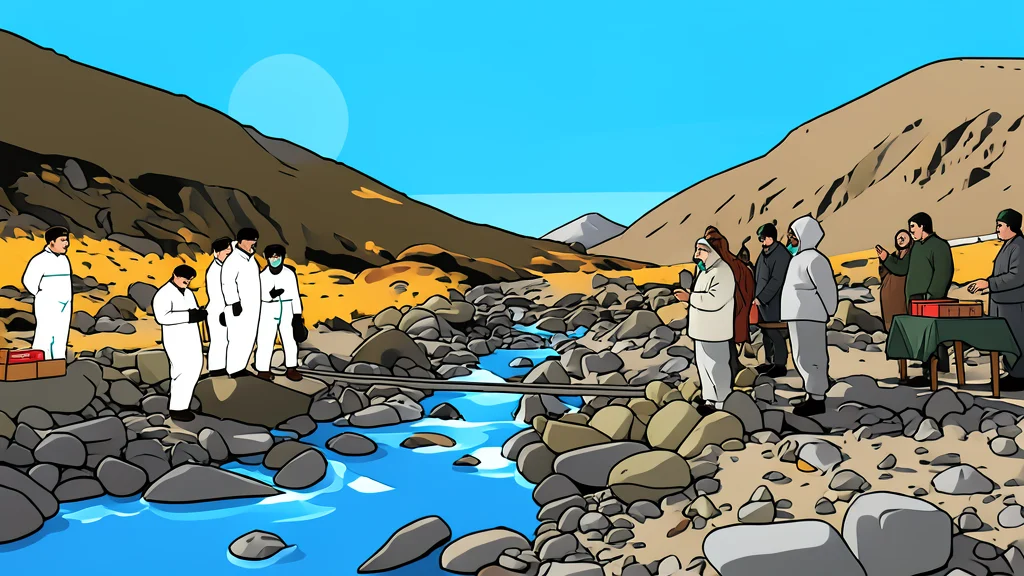
Modi and Xi Pledge Commitment to Resolving Border Dispute
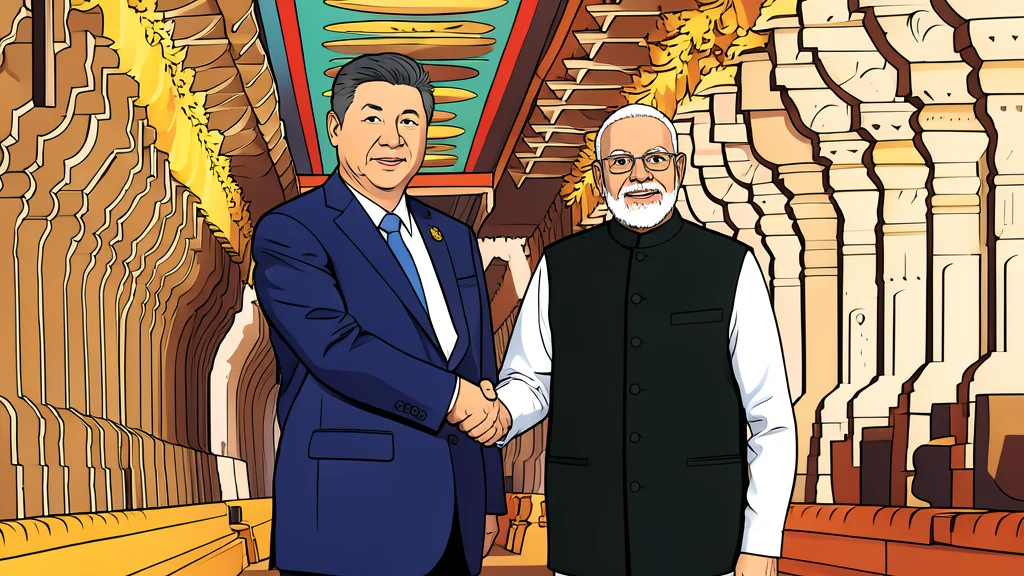
New Delhi reported that Chinese President Xi Jinping and Indian Prime Minister Narendra Modi expressed a shared commitment to finding a fair and mutually acceptable resolution to their long-standing boundary issues during a high-level meeting.
Indian Prime Minister Narendra Modi and Chinese President Xi Jinping have agreed to cooperate towards resolving their countries' contested border, according to New Delhi's foreign ministry. The statement, issued on Saturday following their bilateral meeting, marks a significant moment in the diplomatic relationship between the two nuclear-armed neighbors. It is the first high-level visit by Xi to India since 2019, representing a cautious but notable thaw in ties that had been severely strained by a deadly military clash along the disputed frontier.
The meeting took place against the backdrop of the BRICS summit, where Xi attended as a representative of the 11-nation group. While both leaders acknowledged significant differences between their nations, they emphasized the potential for complementing each other's strengths. Xi stated in a released video that the two countries are capable of supporting one another to achieve mutual success. This diplomatic engagement follows a period of gradual restoration of flights, visas, and high-level contacts, signaling a shift from confrontation to structured dialogue.
Diplomatic language on territorial disputes
According to the Indian foreign ministry, the two leaders expressed a commitment to a fair, reasonable, and mutually acceptable resolution of the boundary question. Modi reportedly underlined the need for both sides to observe existing agreements and understandings on border-related issues. The ministry noted that the underlying territorial dispute remains unresolved, with heavy military deployments retained along the roughly 3,500-kilometer high-altitude border in the Himalayan region.
The diplomatic tone was emphasized through the concept of 'three mutuals'—mutual respect, mutual sensitivity, and mutual interest. New Delhi stated that differences should not escalate into disputes, a sentiment aimed at maintaining stability in a region that has seen periodic tensions. The careful phrasing in official statements reflects the delicate nature of managing a border dispute that has persisted for decades, requiring a balance between national sovereignty and regional peace.
Economic ties and trade imbalances
Trade was a central focus of the discussions, with China currently serving as India's largest trading partner. Bilateral goods trade reached $151 billion in the 2025-26 financial year, according to Indian government data cited by GN geopolitics/border. However, the relationship is heavily skewed, with India importing $131 billion of goods from China while exporting only $19 billion, resulting in a record trade deficit of $112 billion.
Both leaders acknowledged the need to address structural trade imbalances and supply chain issues. The Indian foreign ministry statement highlighted the importance of facilitating meaningful and predictable market access for Indian products in the Chinese market. Xi called for promoting high-quality financial cooperation and fostering an open and inclusive economic globalization, suggesting a desire to deepen economic integration despite the existing disparities.
Public sentiment and political context
The visit has not been without domestic controversy. Dozens of Tibetan exiles protested in New Delhi on Friday, waving placards against Xi's presence. These demonstrators, like the Dalai Lama who has lived in India since 1959, view the Chinese leader with suspicion due to historical and political grievances. The protests serve as a reminder that the diplomatic relationship between New Delhi and Beijing is viewed through diverse lenses within Indian society.
As the leaders continue their engagement, the focus remains on translating diplomatic commitments into tangible outcomes. The next steps will likely involve detailed discussions on border mechanisms and trade negotiations. Observers will watch closely to see if this period of improved dialogue leads to a sustainable resolution of the boundary issue and a more balanced economic partnership.