Iran Accuses IAEA of Political Bias in Nuclear Oversight
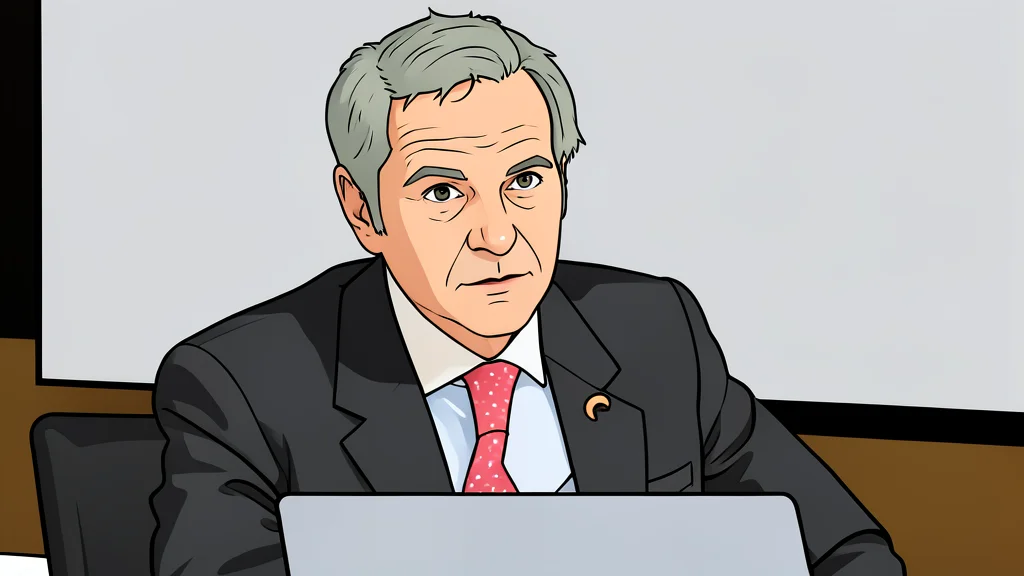
Tehran argues the agency has shifted from technical verification to supporting political agendas, raising concerns over the non-proliferation regime's integrity.
Iran’s Foreign Ministry has issued a sharp rebuke of the International Atomic Energy Agency, accusing the body of abandoning its role as an impartial technical monitor. According to Esmaeil Baghaei, the ministry spokesman, the IAEA has effectively become a tool for justifying military pressure rather than resolving ambiguities in nuclear safeguards. This assertion marks a significant escalation in rhetoric from Tehran, which argues that the agency’s credibility is being compromised by alignment with Western political objectives.
The criticism follows the adoption of a new resolution by the IAEA Board of Governors in September 2026. Baghaei stated that when technical reports are used to build a legal and political case against a sovereign state, the distinction between monitoring and preparing for aggression is erased. He warned that sacrificing the agency’s independence undermines the entire non-proliferation framework, turning a technical institution into an accomplice in creating pretexts for conflict.
Erosion of Technical Neutrality
The core of Iran’s objection lies in the perceived transformation of the IAEA from a specialized organization into an instrument serving the interests of major powers. Baghaei emphasized that the agency’s value rests on its ability to apply consistent standards based on verifiable evidence, free from political consideration. From Tehran’s perspective, the current trajectory suggests that technical findings are being selectively framed to support a narrative of an Iranian nuclear threat, rather than to address specific safeguards issues.
Political Alignment and Diplomatic Tensions
Tehran attributes this shift to the alignment between the IAEA’s positions and the demands of the United States and the European Troika. According to Iranian officials, this convergence has reinforced fears that the agency’s mechanisms are being linked to a broader strategy of pressure. The situation is described as particularly sensitive given that regional actors have repeatedly sought to securitize the nuclear issue, moving it away from diplomatic and technical channels.
Baghaei cautioned that those who present erroneous assessments as a basis for coercive measures cannot evade responsibility for the resulting consequences. He argued that an institution tasked with safeguarding international peace should never become part of the chain producing pretexts for war. This stance highlights a deepening distrust in the multilateral mechanisms designed to manage nuclear proliferation, particularly regarding the agency’s leadership and its reporting methodologies.
Implications for Future Cooperation
The recent developments, as reported by GN auto geopolitics/middle-east: Iran nuclear, suggest a potential breakdown in cooperative frameworks between Iran and the IAEA. If the perception of political bias solidifies among member states, the agency may face challenges in maintaining access to facilities and gathering the data necessary for its mandate. The forward question remains whether diplomatic channels can restore confidence in the agency’s impartiality or if the nuclear issue will continue to dominate geopolitical tensions in the region.