Naga Remains Return from Oxford Museum After Six-Year Process

The return of ancestral remains to the Naga community marks a significant step in addressing colonial-era collections, emphasizing dignity and restorative justice.
The Forum for Naga Reconciliation has framed the recent transfer of thirty-nine ancestral remains from the Pitt Rivers Museum in Oxford as a critical act of restorative justice. According to the organization, this repatriation is not merely a logistical transfer but a profound human rights issue that addresses historical dignitary violations. The remains, which were collected during the colonial period without the consent of the Naga people, are now being returned to their homeland to facilitate spiritual healing and cultural restoration.
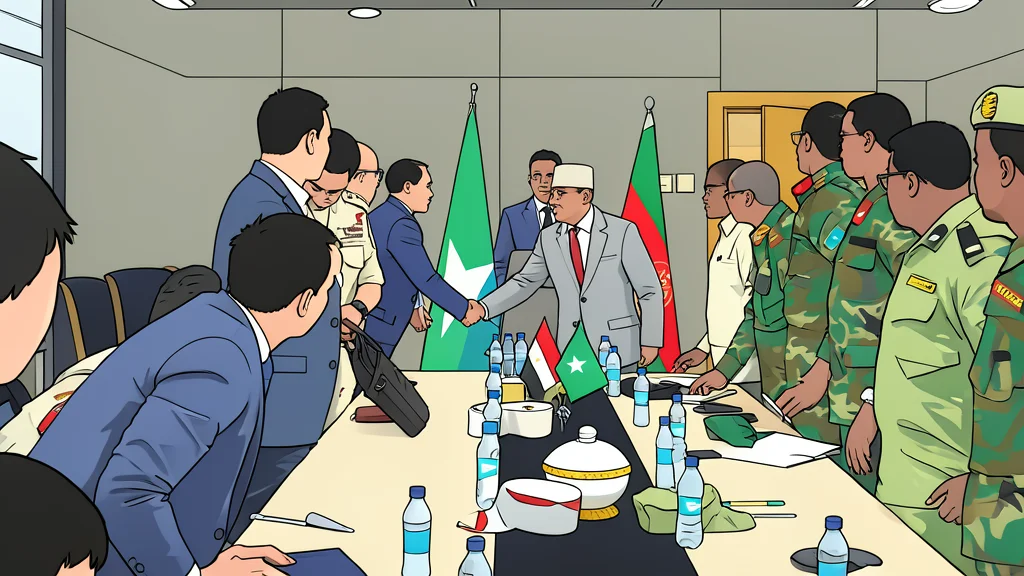
This development follows a six-year engagement between the FNR’s Recover, Restore and Decolonise team and the museum. The process was catalyzed by the institution’s decision to cease displaying human remains, which opened a pathway for dialogue. By returning these items, the parties aim to correct historical wrongs and re-establish the connection between the ancestors, their burial sites, and the living community, viewing the act as a necessary step toward peace and reconciliation.
Colonial history and ethical accountability
The FNR emphasized that the original acquisition of these remains was rooted in colonial practices of racial science and anthropology. The organization argues that acknowledging these historical contexts is essential for true decolonization. By treating the repatriation as an ethical obligation rather than a charity, the process seeks to dismantle the power imbalances that have historically defined the relationship between indigenous communities and Western institutions. This approach prioritizes the agency of the Naga people in defining the narrative of their own history.
Professor Dr. Laura Van Broekhoven, Director of the Pitt Rivers Museum, reportedly acknowledged the complex history surrounding the removal of the remains. According to the FNR, she described the process as humbling, recognizing the opportunity it presents for healing and unification. This admission highlights a broader shift in museum practices, where ethical collaboration and equal partnership are increasingly viewed as prerequisites for engaging with indigenous heritage. The museum’s role is thus redefined from a custodian of objects to a partner in restorative processes.
Spiritual significance and communal healing
In Naga cosmology, ancestors are understood as living presences rather than static objects, which imbues the repatriation with deep spiritual weight. The FNR noted that the displacement of the remains was both physical and spiritual, disrupting the natural order of life and death. The return of the remains enables the community to perform burial and prayer rituals, which are central to maintaining the bond between the living and the dead. This spiritual restoration is viewed as a prerequisite for broader social healing.
The organization also linked this process to the need to acknowledge wounds arising from militarization and inter-group conflict. By focusing on a shared ancestral heritage, the FNR aims to move beyond tribal divisions and foster a sense of common belonging. This theological and cultural dimension suggests that the repatriation is not just about the past, but about constructing a shared future that is grounded in mutual respect and collective identity. The emphasis is on unity and the restoration of social fabric.
Global attention and future partnerships
The repatriation has attracted significant international attention, with coverage from major outlets such as The New York Times, The Guardian, and the BBC, as reported by MorungExpress. This global visibility underscores the universal relevance of indigenous rights and the imperative for ethical stewardship of cultural heritage. The FNR views this attention as an opportunity to amplify the voices of indigenous communities and to challenge existing norms in international cultural exchanges. The widespread media interest signals a growing global consciousness regarding the impacts of colonialism.
Looking ahead, the FNR envisions this event as the start of a new phase of engagement between Naga communities and Western institutions. The goal is to establish a framework for dialogue, ethical collaboration, and greater indigenous participation in historical narratives. By setting a precedent for equitable partnerships, the repatriation could influence how other institutions handle similar collections. The forward question remains how these principles of justice and dignity can be consistently applied across the global landscape of heritage management.