Nepal Marks Two Decades of Constitutional Transformation
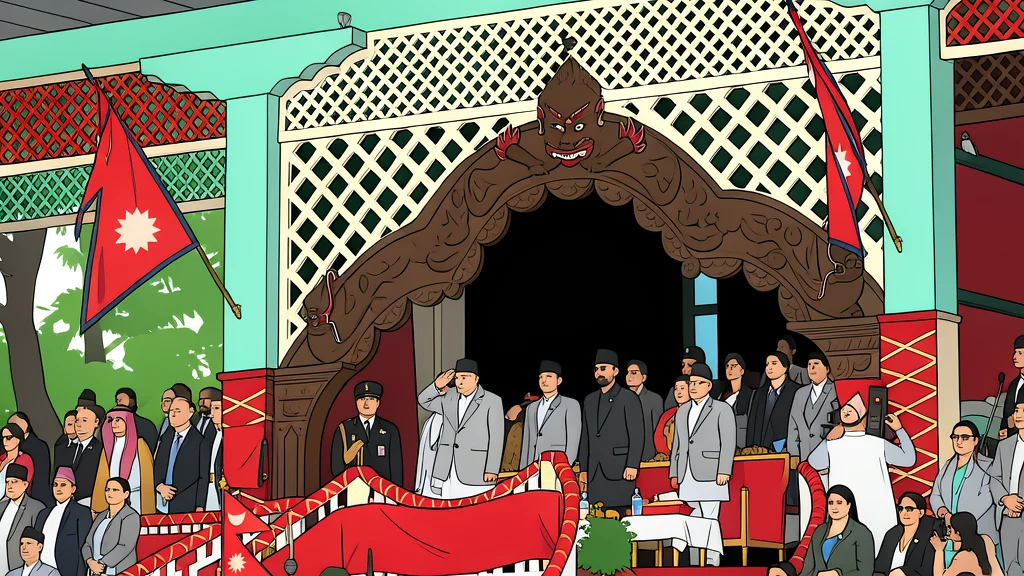
As Nepal observes its 11th Constitution Day, the nation reflects on a twenty-year journey from monarchy to a federal republic, marked by profound political upheavals and recent electoral shifts.
Kathmandu, April 2026 -- The anniversary of Nepal’s constitutional promulgation has arrived amid a significant shift in the country's political leadership. Prime Minister Balendra Shah presided over the ceremonies at the Army Pavilion, marking a moment of reflection on the 2015 charter that formally ended the monarchy. According to the GN auto geopolitics/asia-pacific: Nepal elections report, this milestone serves as a critical pause point for a nation still navigating the complexities of its post-conflict identity.
The current administration stands in stark contrast to the turbulent decade that preceded it. While the 2015 constitution was the culmination of a nine-year process involving peace accords and the dissolution of the royal family, the years since have been defined by institutional instability. Observers note that the transition from a centralized monarchy to a federal democratic republic was neither linear nor peaceful, but rather a series of negotiated compromises that continue to shape the state’s internal dynamics.
From Royal Retreat to Republican Dawn
The path to the current republic began in April 2006, when sustained street protests forced King Gyanendra Shah to restore a dissolved parliament. This pivotal moment triggered a cascade of events, including the signing of the Comprehensive Peace Accord with the Maoist movement later that year. According to historical records, the interim constitution adopted in 2007 laid the groundwork for federalism, addressing long-standing grievances from the Madhesh region that had previously sparked violent unrest.
The formal abolition of the monarchy in May 2008 marked the end of a 240-year-old dynasty. The Constituent Assembly elected in that year declared Nepal a federal democratic republic, a move that fundamentally altered the distribution of power. The election of Ram Baran Yadav as the first president and Prachanda as the first prime minister symbolized a complete break with the past, though the early years of the republic were quickly marred by disputes over military control and the scope of executive power.
Challenges in the Post-Constitution Era
Since the promulgation of the 2015 constitution, Nepal has faced a series of crises that tested the resilience of its new political structures. The decade has included a border blockade, multiple dissolutions of the House of Representatives, and judicial interventions in party mergers. According to analysts, these disruptions highlighted the fragility of the institutional framework, with frequent clashes between the legislative and executive branches undermining public confidence in the stability of the republic.
More recently, the political landscape was further shaken by a violent uprising involving younger generations, reflecting deep-seated frustrations over economic stagnation and governance failures. The subsequent landslide victory of the RSP in the latest elections suggests a significant realignment of voter sentiment. This shift indicates that the electorate is demanding a more responsive and effective administration, moving beyond the ideological divisions that have characterized Nepali politics for decades.
Forward Trajectory for Nepali Governance
As the nation marks this twenty-year milestone, the focus is shifting toward the practical implementation of federal structures and the consolidation of democratic norms. The challenge for the current government is to translate constitutional principles into tangible improvements in services and security. According to regional observers, the next phase of Nepal’s journey will depend on its ability to manage ethnic and regional diversity while maintaining national cohesion.
The coming months will be crucial in determining whether the republic can move beyond its history of instability. Key indicators to watch include the stability of the coalition government, the pace of economic reforms, and the management of cross-border relations. The legacy of the 2015 constitution remains a work in progress, with the ultimate test being its capacity to deliver lasting peace and prosperity to all citizens.