Israeli Media Report Military Equipment and Troop Shortages
Recent reports from Israeli outlets suggest the IDF faces significant resource gaps, though analysts question the underlying reality.
Israeli media outlets have published reports suggesting the country's military is facing significant deficits in both personnel and heavy equipment. Channel 12 and the Maariv newspaper claimed that the Israel Defense Forces are experiencing severe shortages, a development that has raised questions about the sustainability of current military operations. These reports emerged against a backdrop of ongoing conflicts and complex political dynamics within the government.
According to Al Jazeera English, these claims coincide with failed negotiations to increase the military procurement budget. The reports suggest that without additional funding, the ability to repair damaged vehicles and maintain ammunition production lines may be compromised. However, defense analysts have offered a different perspective, suggesting that such reports may serve a strategic purpose rather than reflecting a genuine logistical crisis.
Reports of equipment deficits
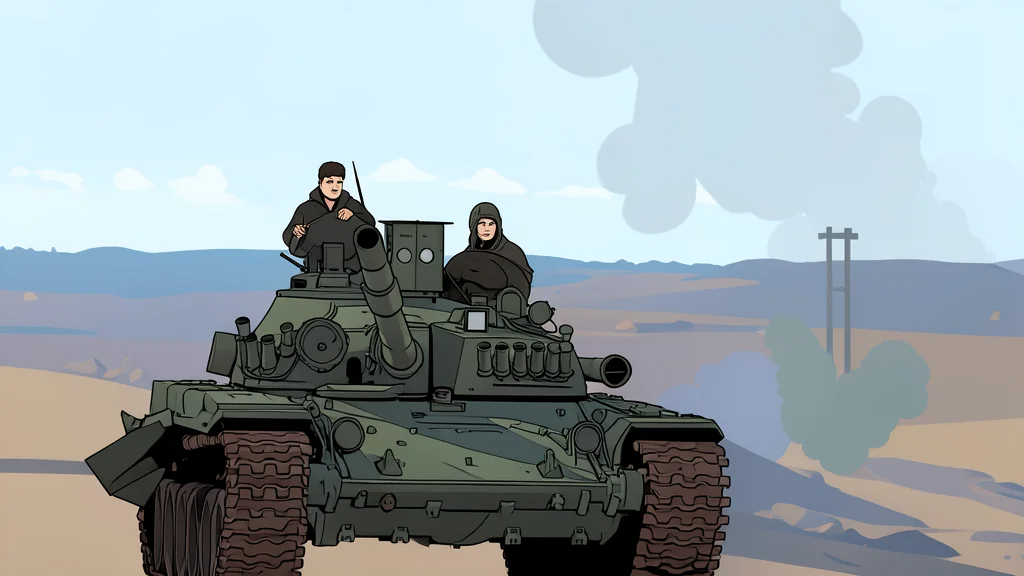
Maariv reported that the army lacks sufficient tanks and armored personnel carriers, citing three years of conflict that have worn down vehicle fleets. The publication alleged that hundreds of vehicles have been damaged and that political disagreements have hindered necessary funding increases. Channel 12 added that a planned purchase of twelve Apache attack helicopters from Boeing was canceled due to a shortfall in the procurement budget. This cancellation reportedly followed a failed attempt by Prime Minister Benjamin Netanyahu to secure cooperation from opposition leaders on budgetary matters.
Analysts question the authenticity
Defense analyst Hamze Attar told Al Jazeera that the Israeli military is unlikely to be suffering from genuine shortages. He described the reported deficits as part of a longstanding strategy to exaggerate needs to accelerate replacement cycles. Attar noted that Israel maintains stockpiles that are considered critically low by its own standards, whereas other nations might view the same levels as combat-ready. This approach allows the military to sustain operations on multiple fronts without being constrained by external political pressure.
According to Attar, leaked reports often serve to create a sense of urgency in Washington and Europe, prompting faster weapons transfers. He suggested that there is a perception in Israel of shifting attitudes in the United States regarding support for the military. Consequently, the government may be looking to finalize deals before any potential future policy shifts occur. For example, recent reports indicated that the US administration is preparing to sell a large package of heavy bombs to Israel, a move that aligns with this strategy of accelerating arms transfers.
Context on troop numbers
While munitions inventories are not publicly disclosed, troop numbers are better documented through official channels and international estimates. The International Institute for Strategic Studies reported that Israel had approximately 169,500 active military personnel in its army, navy, and paramilitary forces as of 2023. An additional 465,000 personnel served in the reserves, while another 8,000 were part of the paramilitary structure. Mandatory military service from age 18 for most citizens provides a large pool of reservists, contributing to the country's ability to mobilize significant forces quickly.