North Korea Mourns Yun Dong-Hyon, Key Architect of Nuclear Program
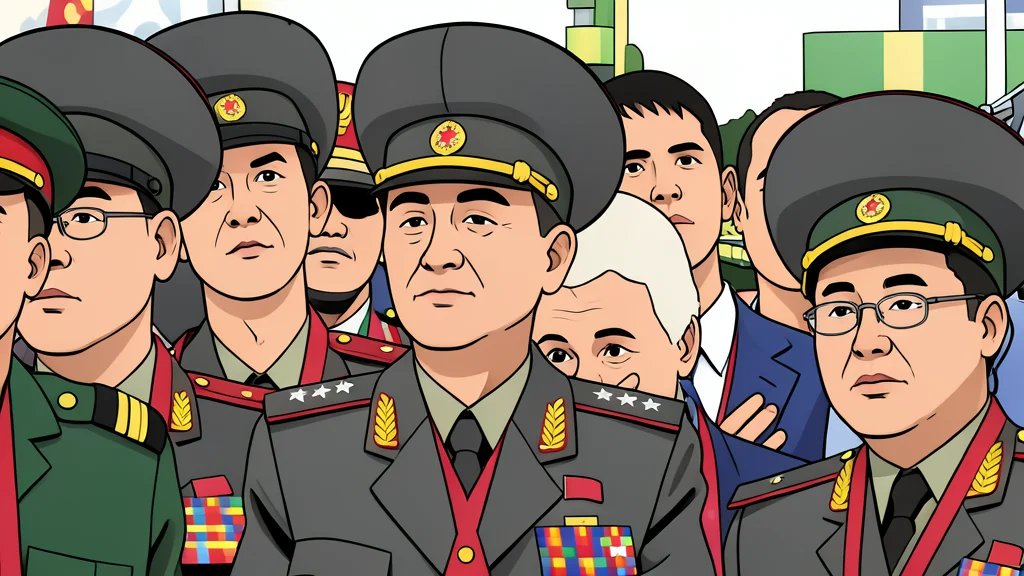
Yun Dong-hyon, a central figure in Pyongyang’s nuclear and missile development, has died. His passing marks the end of an era for the regime's strategic deterrence capabilities.
Yun Dong-hyon, a senior military official who played a pivotal role in the development of North Korea’s nuclear and missile programs, has died. According to reports from the Korean Central News Agency, Kim Jong-un sent a wreath to express condolences, honoring Yun as a “double Hero of Labor” and a recipient of the Kim Il Sung Order. The state media described him as a former counselor of the defense science guidance committee who contributed significantly to strengthening the military-technical power of the armed forces.
Yun’s tenure was marked by his close association with the leadership during critical phases of the country's strategic weapons development. He frequently appeared at major military events, including the observation of multiple rocket launcher and missile tests and visits to munitions factories in the mid-2010s. His public presence underscored the regime's commitment to advancing its deterrent capabilities, a trajectory that continued through the early years of Kim Jong-un’s rule.
Role in Strategic Weapons Development
As a former Vice Minister of the Ministry of the People's Armed Forces, Yun was one of the key figures who closely accompanied the leadership in overseeing nuclear and missile development. The state narrative emphasizes his long-term service in responsible posts within the munitions industry sector. His contributions are framed as essential to the enhancement of the army's military-technical strength, reflecting the high value placed on his expertise by the regime.
In September 2016, during a ceremony in Kim Il Sung Square celebrating the fifth nuclear test, Yun delivered a statement that highlighted the aggressive rhetoric of the period. He warned that any threat to the state’s dignity or authority would result in a decisive preemptive nuclear strike. This public posture illustrated the intensity of the confrontational stance adopted by North Korean officials during that era of heightened tension.
Career Fluctuations and Final Years
Yun’s career was not without significant turbulence. Between 2012 and approximately 2015, he experienced a series of rank changes, being demoted from colonel general to lieutenant general and then to major general, before eventually returning to the rank of colonel general. These repeated shifts in status suggest a complex political environment within the military leadership. Since 2015, he appears to have maintained the rank of colonel general, stabilizing his position within the hierarchy.
In recent years, Yun’s public visibility decreased. After being named to the funeral committee for Kim Chol-man, an anti-Japanese partisan and munitions expert, in 2018, he appears to have stepped back from front-line duties. This withdrawal from the public eye may indicate a shift in his operational role or a broader reorganization of responsibilities within the defense sector during that period.
Implications for Future Program Direction
The death of a figure such as Yun Dong-hyon raises questions about the continuity and direction of North Korea’s nuclear and missile programs. As a veteran who witnessed the evolution of these capabilities from their early stages to advanced deployment, his departure removes a significant source of institutional memory. Analysts will likely monitor how the leadership fills this void and whether new figures will emerge to assume similar roles in the defense science sector.
According to GN geopolitics/nuclear (en-US), the situation remains a key focus for international observers tracking the stability of the Korean Peninsula. The next steps will likely involve observing any changes in public rhetoric or military displays that might signal a shift in priorities or leadership dynamics within the regime. The forward question remains how Pyongyang will maintain the momentum of its strategic weapons development in the absence of such a prominent architect.