Pakistan Supreme Court Suspends Rights Lawyer's Sentence
The Supreme Court of Pakistan has suspended the prison sentences of prominent human rights advocate Imaan Mazari and her husband, ordering their release on bail while lower court proceedings continue.
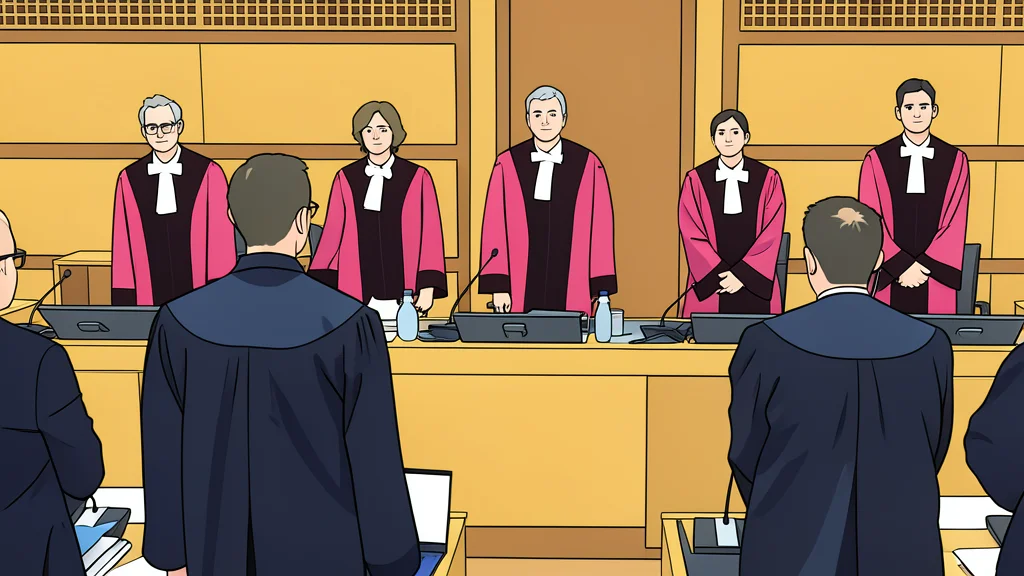
In a significant development for legal rights discourse in South Asia, Pakistan’s Supreme Court issued an order on Thursday suspending the 17-year prison sentences handed down to Imaan Mazari and her husband, Hadi Ali Chattha. The top tribunal directed that the couple be released on bail, effectively reversing the detention that had drawn widespread criticism from international advocacy groups. According to reports from GN geopolitics/rights (en-US), this ruling marks a pivotal moment in a case that has tested the boundaries of judicial independence and civil liberties within the country.
Mazari, a lawyer known for her outspoken criticism of military operations and her defense of ethnic minorities, and her husband were convicted in January under the Prevention of Electronic Crimes Act. The charges stemmed from social media posts deemed anti-state, specifically regarding military activities in Balochistan and Khyber Pakhtunkhwa. Both individuals have consistently denied the allegations, maintaining that they were targeted for advocating on behalf of individuals who have disappeared in these insurgency-prone regions. The Supreme Court’s decision to grant bail was issued pending the final judgment of the Islamabad High Court, which is expected to rule within the coming weeks.
Legal Maneuvering and Family Response
The path to this suspension involved a sustained legal challenge that moved from the Islamabad High Court to the nation’s highest judicial body. Shireen Mazari, the mother of the defendants and a former human rights minister under ex-Prime Minister Imran Khan, expressed relief at the Supreme Court’s intervention. She described the decision as a delivery of justice for her family, though she noted that the couple had not yet been physically freed at the time of reporting. The legal team’s strategy highlighted the procedural complexities surrounding the conviction, emphasizing that the lower court’s final decision remains the definitive step in the process.
International Scrutiny of Judicial Fairness
The case has attracted significant attention from global human rights organizations, including the United Nations and Amnesty International, which have questioned the fairness of the original trial. These groups argued that the conviction was politically motivated, citing the defendants’ history of defending journalists and activists. In response, Pakistani authorities have maintained that the judiciary operates independently of political influence, asserting that the legal process followed standard constitutional procedures. The suspension of the sentences may serve as a diplomatic gesture or a reflection of internal judicial review, but it does not absolve the defendants of the original charges.
Implications for Civil Liberties
The outcome of this case carries broader implications for the space of civil society in Pakistan. Mazari’s work in protecting ethnic minorities and press freedom has made her a symbolic figure for rights defenders. The suspension of her sentence may embolden other advocates to continue their work, yet the underlying charges remain unresolved. As the Islamabad High Court prepares its final ruling, observers will closely monitor whether the legal system upholds the principle of due process or if the case continues to reflect the tension between state security interests and individual rights.
Forward Looking Judicial Timeline
The immediate focus now shifts to the lower court’s decision, which is expected within weeks. This ruling will determine whether the convictions are upheld, modified, or overturned entirely. The release on bail provides temporary relief but leaves the couple in a state of legal limbo. For the international community, the next few weeks will be critical in assessing whether Pakistan’s judicial system can deliver a verdict that aligns with international standards of human rights and fair trial guarantees. The situation remains fluid, with the final judgment poised to set a precedent for similar cases involving digital expression and state security.